Global Issues Today: Climate Change, Inequality, and More | Comprehensive Guide
Table of Contents
Introduction to Global Problems in the World Today:
We are currently at a critical juncture in the world where a multitude of global issues intersect, presenting exceptional challenges. Climate change, public health crises, inequality, technological disruption, and geopolitical tension are just some of the main pain points that shape billions of lives and threaten the ecological balance of the planet. Here we discuss current world problems in detail.
These problems are deeply interlinked, forming a complex web of causes and consequences that demand multi-dimensional solutions. We explore some key problems to provide a comprehensive analysis of the most persistent global problems the world is facing today, such as the root causes of problems and potential resolutions. As we discover these problems, it becomes clear that innovation, global cooperation, and systemic transformation are important to addressing these challenges. The explanations require cooperative action that spans individuals, industries, and governments. You learn here about all the major problems in the world today.
Environmental Degradation and Climate Change
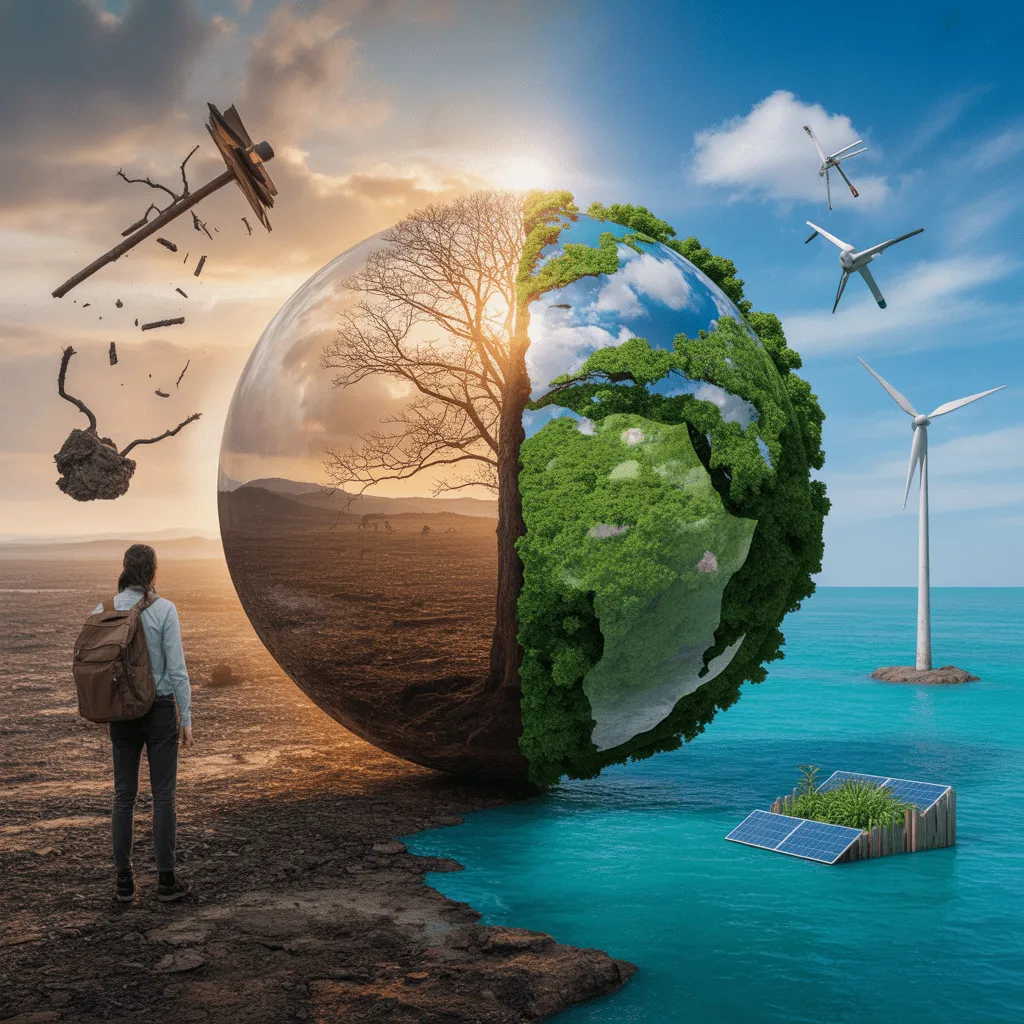
It’s one of the problems in the world. Environmental degradation and climate change stand as one of the biggest challenges of our time. The primary cause of this global crisis is human activity, which includes deforestation, the burning of fossil fuels, and industrial processes that emit large volumes of greenhouse gases (GHGs) into the atmosphere. These gases trap heat and raise the temperature of the Earth, especially methane (CH₄), carbon dioxide (CO₂), and nitrous oxide (N₂O). This leads to a series of environmental changes that endanger life as we know it.
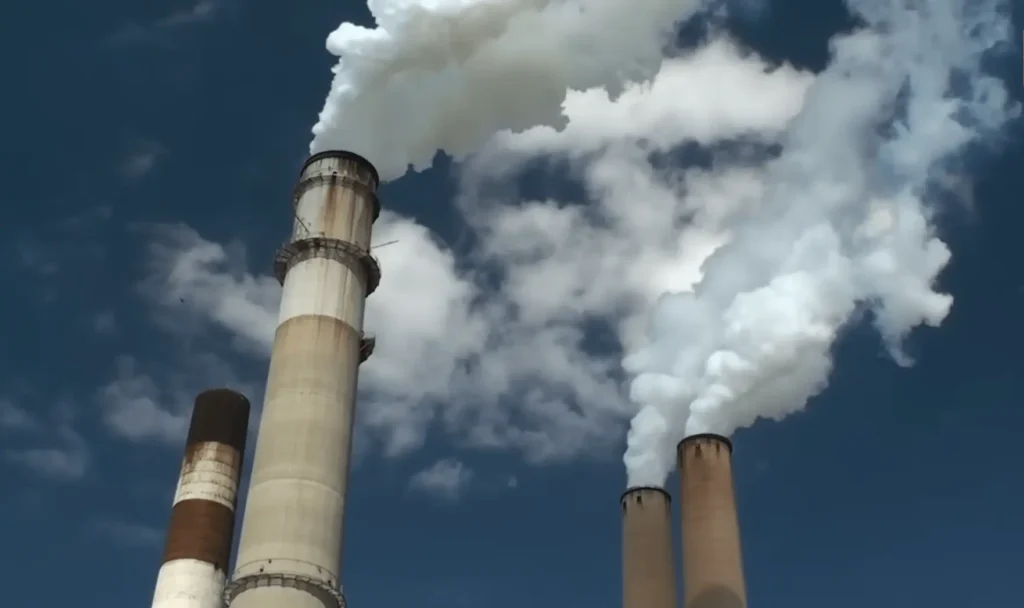
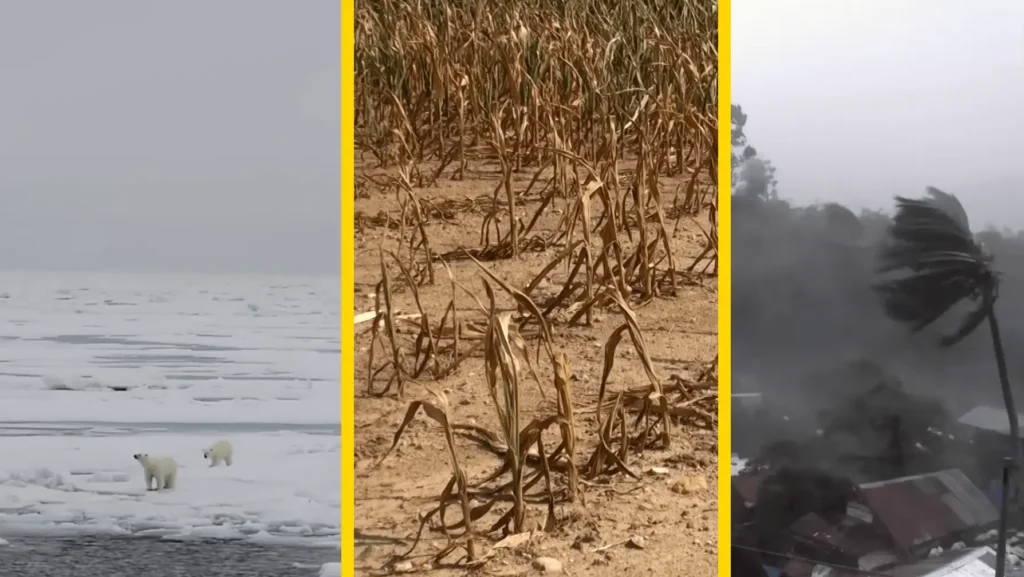
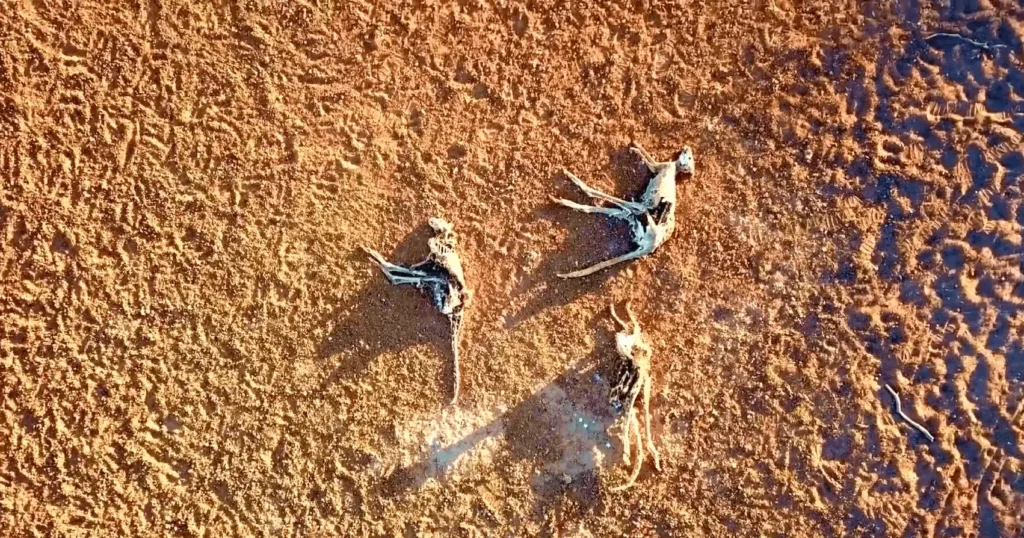
Climate change has already started to have significant consequences that everyone can almost see. It’s one of the biggest Global Issues Today. The frequencies and intensities of hurricanes, wildfires, floods, and droughts are on the increase. Just in one year, 2020, unprecedented destruction by wildfires in Australia, the Amazon rainforest, and California displaced both people and wildlife and devastated the ecosystems. Similarly, rising global temperatures are melting polar ice caps and glaciers and contributing to sea-level rise, threatening communities along coastlines.
Another important dimension of environmental humiliation is the loss of biodiversity. Large numbers of species have gone extinct due to the destruction of their natural habitats for reasons such as urbanization, deforestation, and agriculture. Coral reefs, one of the richest ecosystems in terms of biodiversity on this planet, are dying due to ocean acidification and warming waters. Learn more about global issues today, why Climate Change Is a Bigger Threat To Global Village Than War
Loss of Biodiversity
Loss of biodiversity affects not only the environment but also disturbs livelihoods dependent upon those ecosystems for food, water, and income. They fight against climate change through international agreements like the Paris Agreement, where the engaged countries promised to limit global warming to well below 2°C above preindustrial levels. They all vowed to reduce their carbon emissions by changing energy sources to renewable ones, including solar, wind, and hydrological power. So far, however, the realization of these solutions has been rather slow because of political hindrances, economic interests in fossil fuels, and the high costs involved in transitioning to a low-carbon economy, which are deterring factors.
One of the major problems encountered in the formulation of policies for climate change involves its very unequal distribution of burdens and impacts. Whereas most of the industrialized nations are historically the biggest contributors to greenhouse gas emissions, developing countries usually bear the brunt of all the vagaries of climate change. These nations, already vulnerable because of economic and social reasons, are facing disproportionate risks due to rising sea levels, extreme weather, and food insecurity. In addition to mere mitigation through the reduction of emissions, there is an essential need for financial and technological support for addressing climate change adaptation in developing nations.
you can read more about Environmental Technology Verification: A Key Element of Sustainability
Global Inequality
There are several ways that global inequality shows up, such as differences in gender, social status, and economic status. It’s one of the problems in the world. The unequal distribution of wealth is one of the most obvious effects of inequality. The richest 1% of people in the world possess more than twice as much money as the poorest 50%, according to an Oxfam analysis from 2021. A number of issues are brought about by this enormous wealth gap, such as poverty, restricted access to resources, and societal instability.
The issue of economic inequality includes not only the distribution of financial resources but also opportunities. Socioeconomic position has a significant impact on access to high-quality healthcare, work, and education in many nations. It is common for children born into poverty to lack the resources and opportunities necessary to break the cycle of poverty, which generates inequality for future generations. This is especially significant in developing nations, where social mobility is severely restricted by a lack of infrastructure and financing for public services.
You can read more about what social justice is and why it matters.
Gender Inequality
Gender inequality continues to be a major global issue. Women still face challenges in the workplace, in education, and in their representation in politics, despite advancements in many areas. In many industries, women are still paid less for doing the same work as men. This is known as the gender pay gap. Gender inequality becomes more severe in certain countries where women face challenges related to traditions and laws that restrict their access to education and property ownership.
Violence against women and girls cuts across cultures and continents. It is a global issue that continues unabated, with gender-based violence taking numerous forms, including domestic violence, human trafficking, and sexual assault, all of which pose a serious obstacle to the realization of gender equality. These issues were made worse by the COVID-19 pandemic, as many countries reported increased domestic violence cases during the lockdown periods. There are various actions that can be taken to address global inequality.

The wealth gap can be reduced by changing policies that prioritize wealth redistribution through social safety nets and fair taxation. Regardless of a person’s socioeconomic status, equal opportunities must be provided through investments in healthcare and education. Initiatives relevant to gender equality, such as enforcing laws referring to equal income and increasing the number of women in leadership positions, are also essential steps in the direction of a more just society. The Sustainable Development Goals (SDGs), which seek to reduce poverty, guarantee excellent educational opportunities, and gender equality, and minimize inequalities within and among countries, are one of the key initiatives that international organizations like the UN use to address inequality.
Public Health Issues
Pandemics
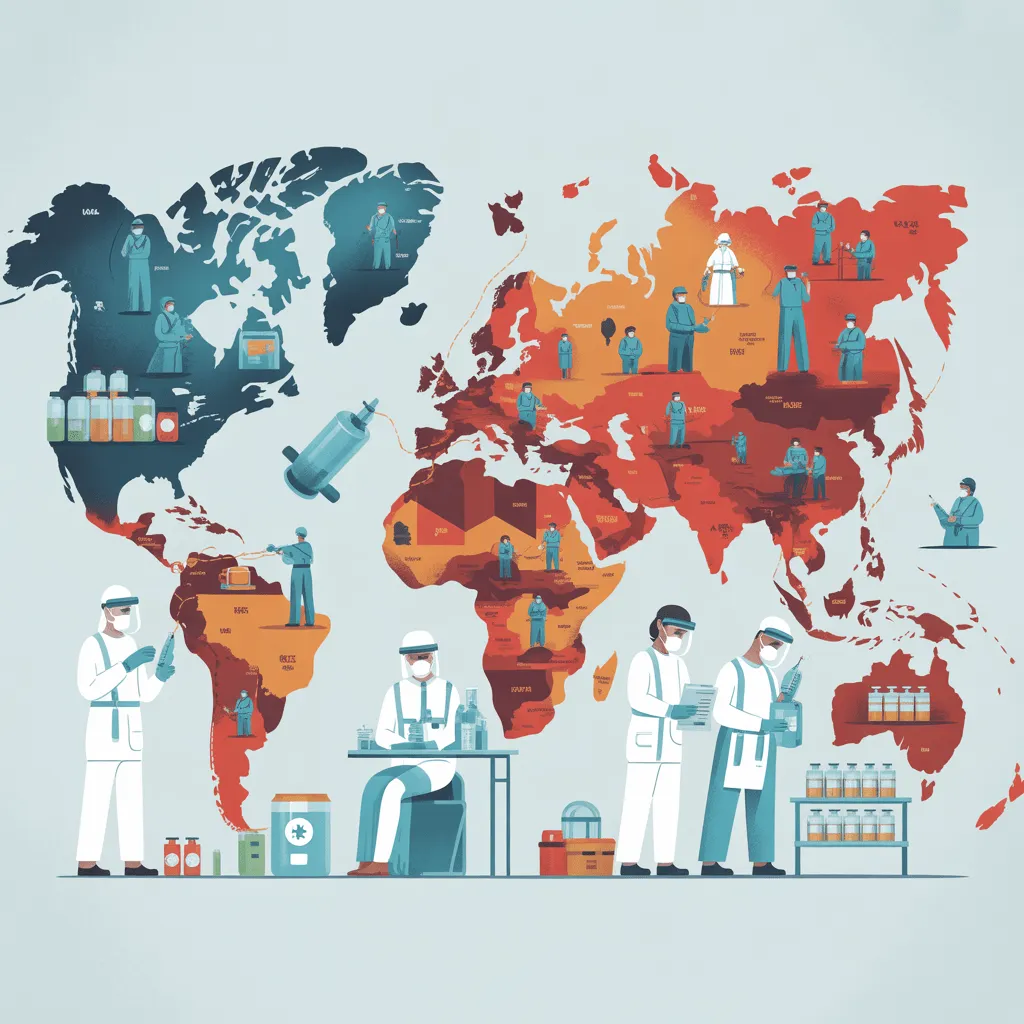
It’s one of the problems in the world. The COVID-19 pandemic brought public health concerns to the forefront of international consciousness. Pandemics have the potential to affect society, as established by COVID-19’s impact on healthcare systems, economies, and daily life. Significant flaws in the global health infrastructure were exposed by the pandemic, including unequal vaccination distribution, unequal access to treatment, and a lack of readiness for widespread outbreaks. In addition to pandemics, mental health is an important aspect of public health.
Globally, there has been an increase in mental health conditions, such as anxiety, depression, and illnesses associated with stress. The COVID-19 pandemic made these problems worse by making people feel isolated, unemployed, and insecure. Despite being an important cause of disability, mental health receives little financial support and remains stigmatized in many parts of the world. Read more about COVID-19 Nightmare for China and Global Village
Antibiotic resistance
Antibiotic resistance represents yet another future threat to world health. It’s one of the problems in the world. Multiple antibiotic-resistant bacteria, or “superbugs,” have emerged as a result of the overuse and misuse of antibiotics in both agriculture and healthcare. This resistance poses a threat to decades of progress in the treatment of bacterial infections, raising the potential for fatalities from previously treatable diseases.
Infrastructure Investments
Infrastructure investments are necessary to strengthen global health systems, especially in low-income nations where access to healthcare is restricted. Enhancing the ability of healthcare systems to resist pandemics in the future and resolving the fundamental causes of mental health problems by implementing and promoting well-being through important social and economic policies. It’s also one of the major problems in the world
Geopolitical and Conflict Tensions
The stability of the world is still being threatened by geopolitical and conflict tensions. Armed conflicts, such as in Ukraine, civil wars in Syria and Yemen, and many other African conflicts, bring forth sheer human suffering. It’s one of the problems in the world. All these wars lead to human casualties, dislocation, and damage to infrastructure; hence, their long-term impact on recovery and development is immense. The refugee crisis is directly connected to armed conflicts, persecution, and environmental disasters. According to the United Nations High Commissioner for Refugees (UNHCR), more than 100 million forcibly displaced individuals were reported worldwide as of 2022.
Most of these refugees take dangerous routes to shelters, overcrowded camps, and lack of provision in access to their everyday requirements, including water, food, and healthcare. The world has an irregular response to the crisis since some countries have opened their doors to host refugees, while others have closed their borders.
The geopolitical environment is made more complex by conflicts between major countries like China, Russia, and the United States. Trade conflicts, military posture, and economic penalties are just a few of the ways that these tensions show themselves. As difficulties over territorial issues, resources, and ideological differences intensify, the rivalry between major countries poses a threat to international peace and security. It’s one of the problems in the world.
Terrorism continues to be a threat to international security. It’s one of the problems in the world. Although extremist groups may have been weakened in certain areas, terrorism remains in others who operate under these extremist leaders and continue to commit acts of violence that destabilize the region and cause continuous fear.
Terrorism affects not just the victims who immediately lose but also has an impact on broader geopolitical instability through undermining governments, creating environments for further violence, and in so doing, destroying the very foundations of a state. The conflict and geopolitical tensions require international institutions like the United Nations, the European Union, and regional groups such as the African Union. Again, it is one thing to reduce violence through diplomatic efforts, peacekeeping missions, and all these tools of conflict resolution that eventually lead to stability in the long term. It’s one of the problems in the world.
You can read about: Hardeep Singh Nijar Murder: Canada vs. India
Technological Disruption and Ethical Challenges
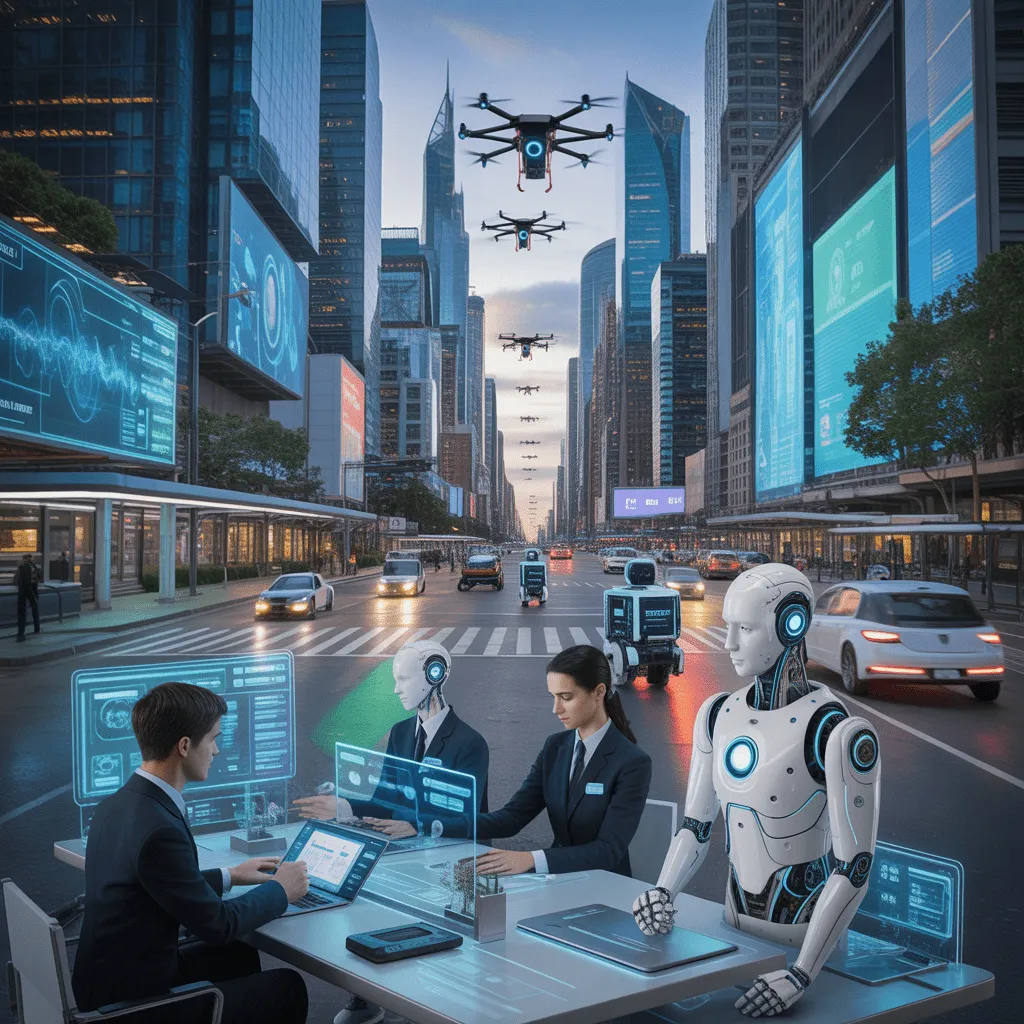
Such fast technological advancements come with opportunities and challenges.
Artificial Intelligence
The fast world of artificial intelligence (AI) comes under this category of transformative technologies that have swept across the globe during the 21st century. Artificial intelligence power holds tremendous potential for remaking several industries. Improvement in efficiency, automation of processes, and solutions for complex problems in healthcare and transport can now be feasible.
However, artificial intelligence raises multiple questions on ethical concerns such as job displacement, privacy, and bias in the algorithms. It can also be one of the problems in the world. However, there is a current concern that they might establish the existing biases or create new forms of discrimination as AI systems continue to be integrated in decision-making processes. For instance, AI algorithms in hiring, lending, and the police department have been found to disproportionately affect marginalized groups. Ethical development and deployment of AI require transparency, oversight, and regulation.

Data privacy
Data privacy is the other major issue in the digital context. It’s one of the problems in the world. Governments, tech companies, and corporations have comprehensive, tremendous amounts of data at the individual level. The increasingly rising fear is that of data breaches, surveillance, and the misuse of private information. With many scandals, including the Cambridge Analytica data breach, there are still high-profile warnings for stronger data protection regulations and some ethical codes of conduct for the use of personal data. Businesses, critical infrastructure, and personal devices are increasingly becoming cybersecurity threats.
Cyberattacks
Cyberattacks, including ransomware attacks, data theft, and hacking, have devastating effects on individuals, businesses, and governments. It’s one of the problems in the world. In order to defend digital infrastructure, money must be spent on international collaboration, and cybersecurity measures are needed to combat cross-border cyber threats. Another critical concern in this digital age is social media and a move toward regulation in a manner that can prohibit its misuse in the dissemination of misinformation and disinformation.
Misinformation and disinformation spread across social media on platforms like Facebook, Twitter, and YouTube have resulted in a number of real-life consequences, including results that undermine public confidence in vaccines and some elections. The campaign against the spread of misinformation can be multidimensional, with fact-checking and media literacy, and increase in regulations of social media platforms.
You can read more about Technology and Livelihood Education: A Driver of Independence and Growth
Economic Instability
By any measure, the global economy has lived through its most volatile periods in decades, with the more recent period following the COVID-19 pandemic. Several countries are experiencing threats from high inflation, unemployment levels, and recessionary pressures as these economies regain their footing from the shock of the pandemic. The supply chain has also been affected, with shortages in several goods and price increases in food, fuel, and shelter. It’s one of the problems in the world.
Issues of unemployment and underemployment are still relevant today in low- and middle-income countries where informal labor markets mainly exist. Yet another new challenge that workers is the gig economy, characterized by a more vulnerable and insecure job without employees enjoying any form of benefits or legal protection at the workplace. It’s one of the problems in the world. There is also a growing concern about job displacement brought about by increased automation in jobs, especially within the manufacturing and services sectors.
Debt Crises
Debt crises in developing nations are a serious danger to the stability of the world economy. Unmanageable debt loads burden many low-income nations, making it difficult for them to make vital investments in infrastructure, healthcare, and education. These countries face the risk of entering an endless cycle of debt dependency and underdevelopment if debt reduction or restructuring is not implemented. It’s one of the problems in the world.
From the perspective of policy, growing the economy through inclusive development benefits all sections of society. This involves investing in supporting small businesses, social safety nets, and generating employment in emerging green energy and high-technology sectors. International financial institutions like the IMF and World Bank also provide much-needed balance of payments support and debt relief to struggling economies.
Water Scarcity and Food Insecurity
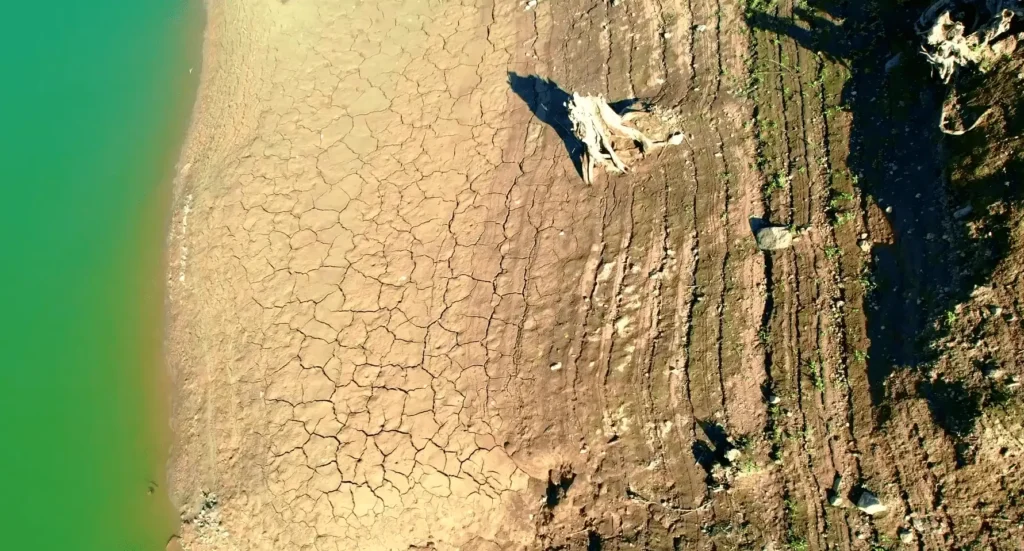
Despite the advancements in agricultural technology, food insecurity is still one of the burning global issues. It’s one of the problems in the world. As such, the World Food Programme reported that about 690 million people were still undernourished in 2019, with the pandemic worsening it even more. Hunger is affected by climate change, conflicts, and even economic instability and poor agricultural practices.
Climate change largely impacts the agriculture sector at the production level as it causes extreme events like droughts, floods, and storms that negatively impact agricultural production. This has made several areas face the effects of rising temperatures, altered rainfall patterns, and lower crop yields in sub-Saharan Africa and South Asia, where agriculture is predominantly a source of livelihood.
You can learn more about End Hunger In The World: Sustainable Farming Techniques and Zero Hunger by 2030: A Global Promise for a Hunger-Free World
The loss of biodiversity
The loss of biodiversity and eroded soil further endangers the food. It’s one of the problems in the world. Another critical issue closely related to food security is water scarcity. According to the United Nations, nearly 2.2 billion people lack access to safe drinking water, and this number is likely to increase further with increasing population growth and water resource pressure. Water scarcity affects not only drinking water but also agriculture since irrigation systems depend on freshwater supplies to grow crops.
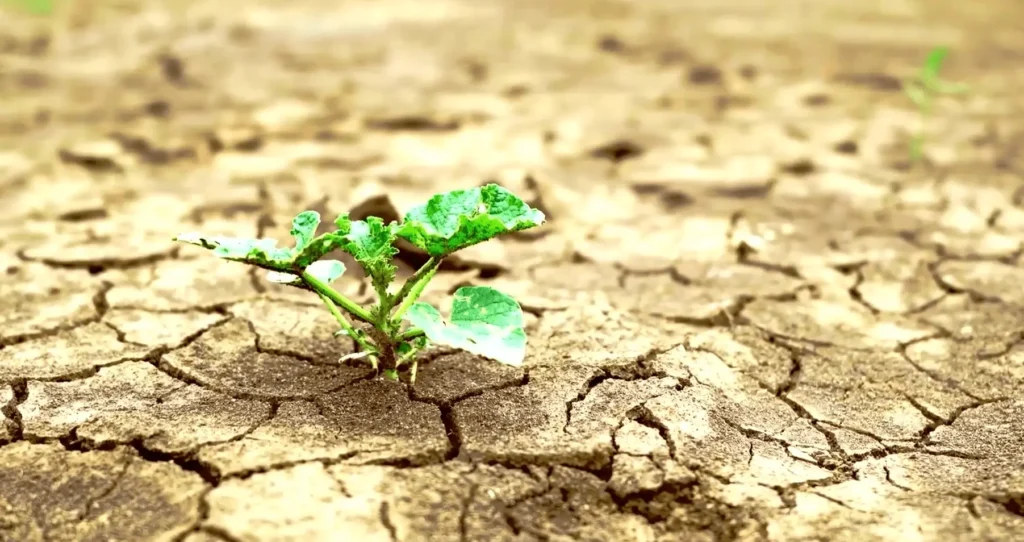
Water and food insecurity could be able to be addressed if there is a push towards building sustainable agriculture practices like precision farming, agroecology, and using climate-resilient crops. Also, there has to be investment in water infrastructure for harvesting rainwater and purification to ensure communities have clean water. International organizations, such as the World Food Programme (WFP) and the Food and Agriculture Organisation (FAO), play a serious role in addressing food insecurity by offering humanitarian aid and endorsing sustainable agricultural activities.
Read more about the Global Water Crisis: A Growing Problem
Political Instability and Governance Problems
Political instability
Political instability with pathetic governance poses a major obstacle to development in the world. It’s one of the problems in the world. System nepotism, corruption, and lack of democratic accountability degrade the capacities of governments to provide public services and maintain social order. Political instability often increases violence in the case of countries under conflict or civil war, and also fosters economic decline. Some parts of the world have embraced populism and authoritarianism precisely when it seems to endanger democratic norms and institutions.
Many populist leaders exploit the grievances of populations in regard to their economic situation and social divisions for power grabs and polarization hikes, thereby weakening checks and balances within democracies. Some authoritarian leaders even used the pandemic as a pretext to consolidate their powers and suppress dissent. Such false information and fake news also destabilize political systems because they discredit the public’s trust in institutions and democratic processes.
Political polarization
Political polarization, fueled by disinformation spread through social media, has made it challenging for societies to converge on critical issues like climate change, immigration, and healthcare. It’s one of the problems in the world. For instance, the improvement of governance and reduction of political instability can be encouraged by strengthening democratic institutions, transparency, accountability, and organizational civil society supporting human rights and the cause of good governance. International organizations, such as the International Criminal Court(ICC) and the United Nations, offer their support toward promoting the rule of law and reducing corruption and human rights abuses.
Human Rights Violations
Despite all of the progress recorded in the past decades since the declaration of the Universal Declaration of Human Rights in 1948, basic human rights violations are still a cause for concern dominating the earth. A variety of discrimination modes, such as religious belief, race, gender, ethnic origin, and sexual orientation, among others, are used to eliminate people from enjoying societal benefits, complemented by violence and segregation.
Human Trafficking
Human trafficking is one of the most glaring offenses against humanity. It’s one of the problems in the world. It’s estimated that some 25 million people worldwide are victims of forced labor, from children and women to migrants. There’s a close link between human trafficking and the propagation of more cycles of poverty and exploitation. Many countries are still in the shadows and threatened with regard to LGBTQ+ rights. There, they face many legal restrictions, violence, and social stigma. Some regions criminalized same-sex relationships while removing basic rights like employment, health care, and housing opportunities from members of the LGBT community.
Human Rights Violations
Human rights violations are documented and campaigned against by international human rights organizations like Amnesty International and Human Rights Watch. It’s one of the problems in the world. The protection of human rights and efforts to advance them both require the effectuation of international human rights frameworks, such as the United Nations human rights conventions, and accountability mechanisms for violators of those rights.
Energy Crisis
Today Energy crisis is one of the biggest problems in the world. The world is facing an energy crisis as energy consumption continues to increase, and the negative consequences of utilizing fossil fuels are becoming more apparent. The dependence on coal, oil, and natural gas has, therefore, resulted in environmental degradation, air pollution, and aggravation of climate change.
Along with this, the ensuing struggle over energy resources among the nations has, therefore, contributed to world instability. Thus, we must transition to renewable energy, specifically wind, solar, and hydropower sources. However, this is a challenge too: infrastructures for renewable sources are capital-intensive, and the nature of sources like photovoltaic and wind power contributes to challenges in providing an assured energy supply.
It’s one of the problems in the world. Energy access remains an acute development issue in most developing countries, as several million people in the member states lack access to electricity or use dirty energy forms such as biomass and kerosene for cooking and heating. The increase in access to clean, affordable, and reliable energy sources is a critical step toward ending poverty and promoting economic growth while improving quality of life.
International agreements, like the Paris Agreement, can be used as a gateway to wean the world off fossil energy and shift towards renewable energy. Technological innovations like energy storage and smart grids have the potential to provide solutions for managing the shift into a sustainable energy future. It’s one of the problems in the world.
Conclusion
As you can see, problems in the world are quite intertwined and reflect the scale of challenges we face in the 21st century. Climate change is tied to inequality, and public health crises go hand in hand with geopolitical tensions and technological disruptions.
Systemic changes, cooperation like the G20 summit, innovation, sustainability, equity, and human rights are all interconnected and needed to tackle these various types of challenges. At times, they are overwhelmed by the scale of these problems; however, there is reason to be hopeful. International agreements, technological advancements, and grassroots movements represent a promising way to a more just, equitable, and sustainable world. Our actions today will shape the future of our planet and the lives of all people. We have to stand up to meet these great challenges and to make a better world for all
You can read more about why World Become a Global Village