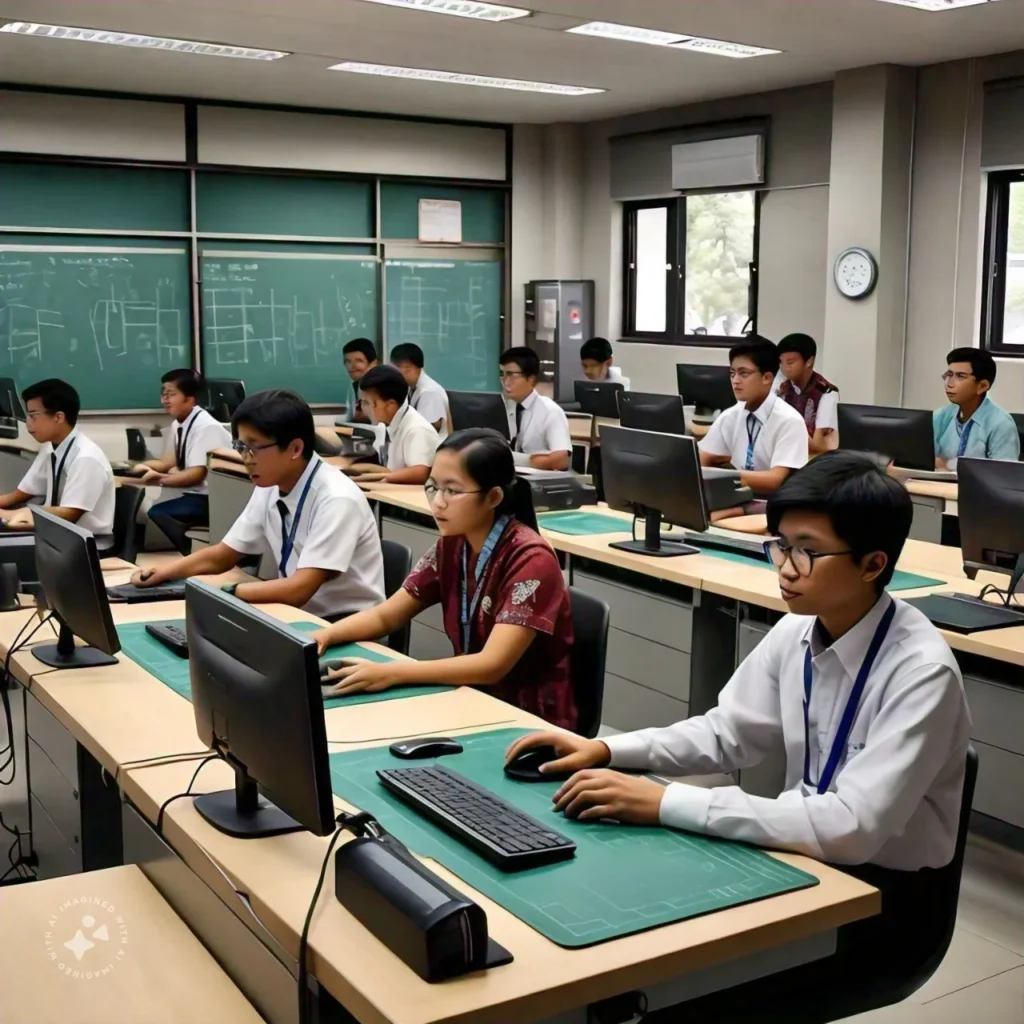
Technology and Livelihood Education: A Driver of Independence and Growth

Technology and Livelihood Education (TLE) is an essential aspect of contemporary education, providing learners with the practical skills and knowledge necessary to tackle real-life obstacles. By merging technological proficiency with vital life skills, TLE enables individuals to achieve self-sufficiency and contribute effectively to society, fostering both personal growth and community advancement.
The Essence of Technology and Livelihood Education (TLE)
Technology and Livelihood Education (TLE) encompasses a wide array of subjects such as home economics, agriculture, industrial arts, and information and communication technology (ICT). Through a combination of hands-on practice and theoretical understanding, TLE nurtures creativity, innovation, and problem-solving skills.
- Home Economics: This area emphasizes essential life management abilities like cooking, nutrition, childcare, and household management—empowering students to maintain healthy homes.
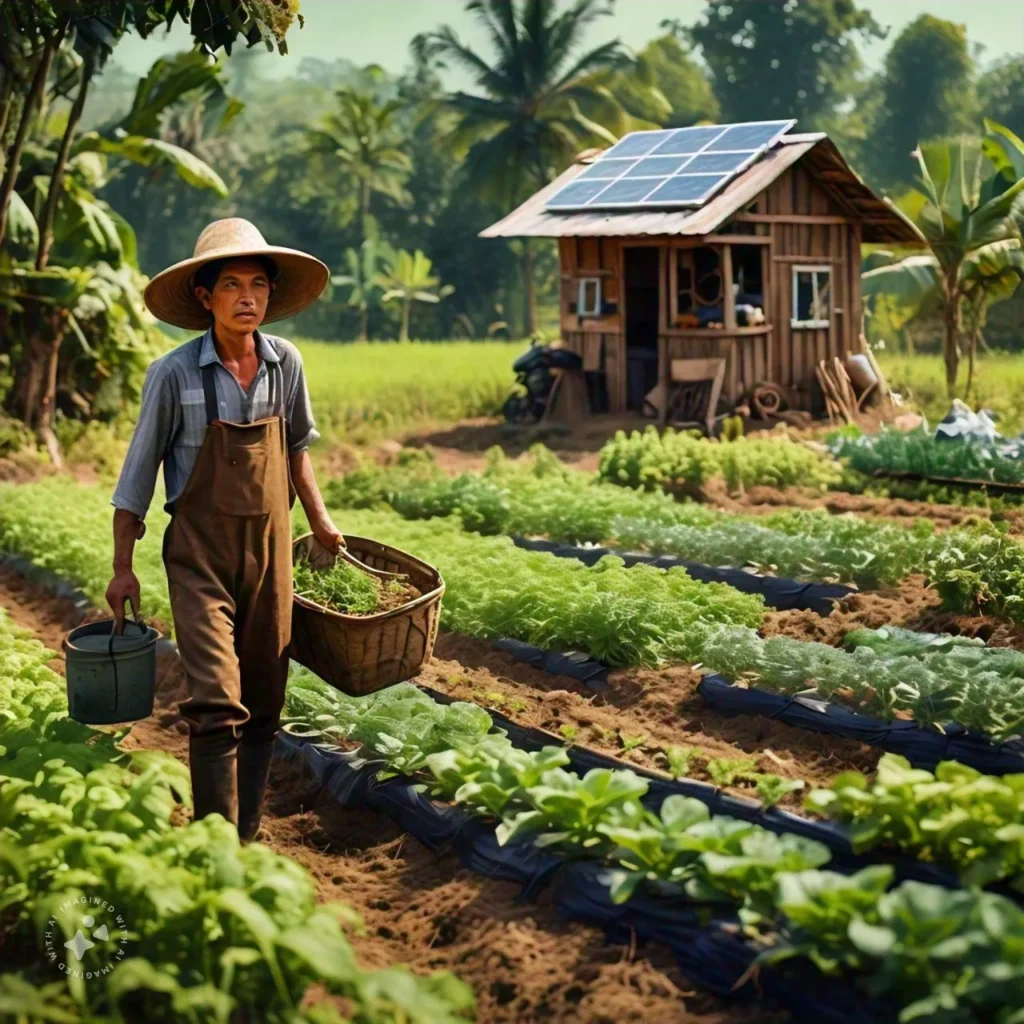
- Agriculture: Focused on sustainable farming methods, crop cultivation, livestock care, and agricultural entrepreneurship; this subject promotes food security as well as rural progress.
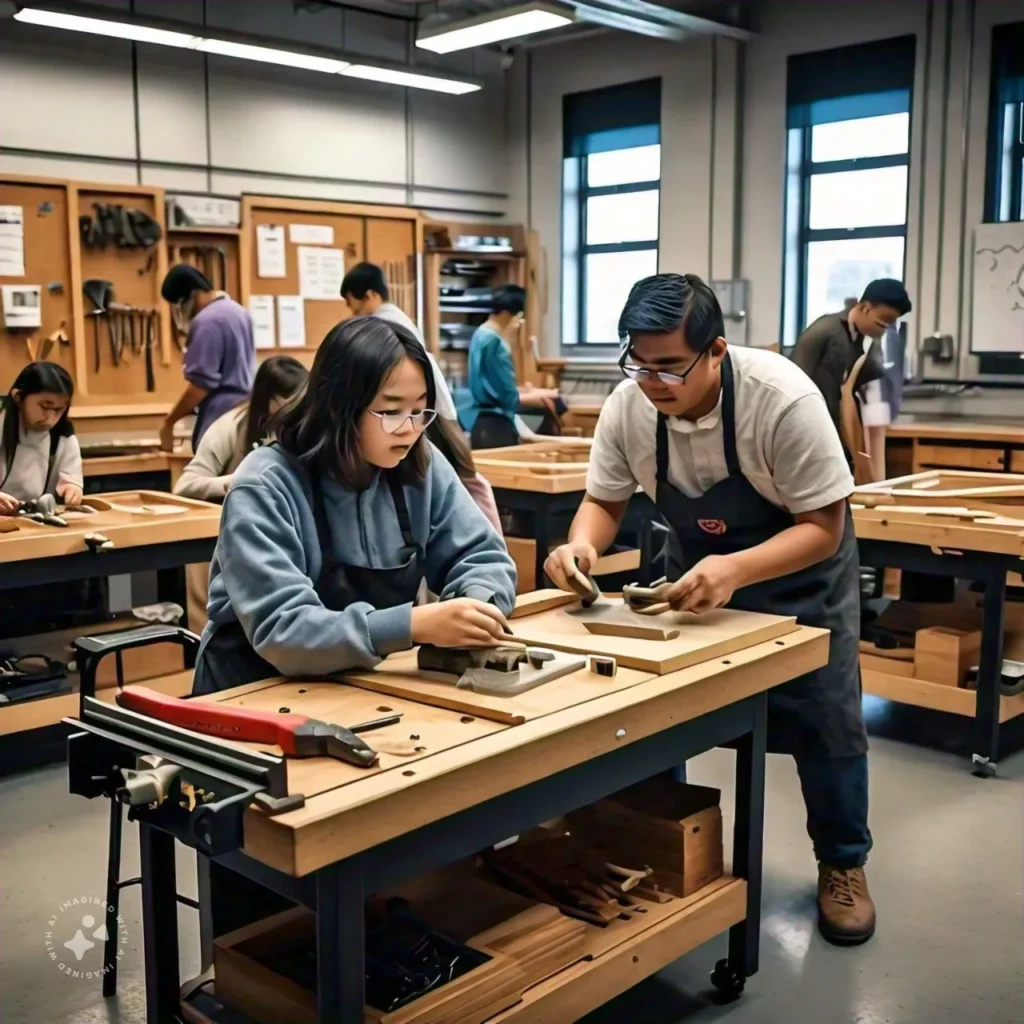
- Industrial Arts: This field teaches technical competencies in woodworking, metalworking, and electronics—enhancing students’ abilities to design and create various products.
- Information and Communication Technology (ICT): ICT integrates digital literacy into the curriculum so that students can efficiently use technology for their personal growth as well as professional aspirations.
The Significance of TLE
Technology and Livelihood Education (TLE) is vital in equipping students for future employment opportunities or entrepreneurial ventures. It instills independence while enhancing resourcefulness and adaptability. By connecting theoretical concepts with practical applications, TLE not only boosts employability but also empowers individuals to make meaningful contributions within their communities. Furthermore, it advocates for sustainable development by raising environmental awareness among students while promoting responsible consumption practices that encourage eco-friendly solutions to ecological issues.
TLE in Developing Nations: A Mechanism for Transformation
In numerous developing nations, Technology and Livelihood Education (TLE) serves as an effective strategy for combatting poverty while fostering self-sufficiency. By concentrating on agriculture-related practices alongside vocational training or entrepreneurship skills development initiatives; TLE aids rural populations in enhancing food production capabilities while creating jobs that generate income.
- Agricultural Empowerment: Facilitates the adoption of modern farming techniques which lead to improved crop yields along with enhanced food security.
- Entrepreneurship Development: Encourages young people by teaching them business planning methodologies alongside marketing strategies—resulting in small business creation which generates job opportunities.
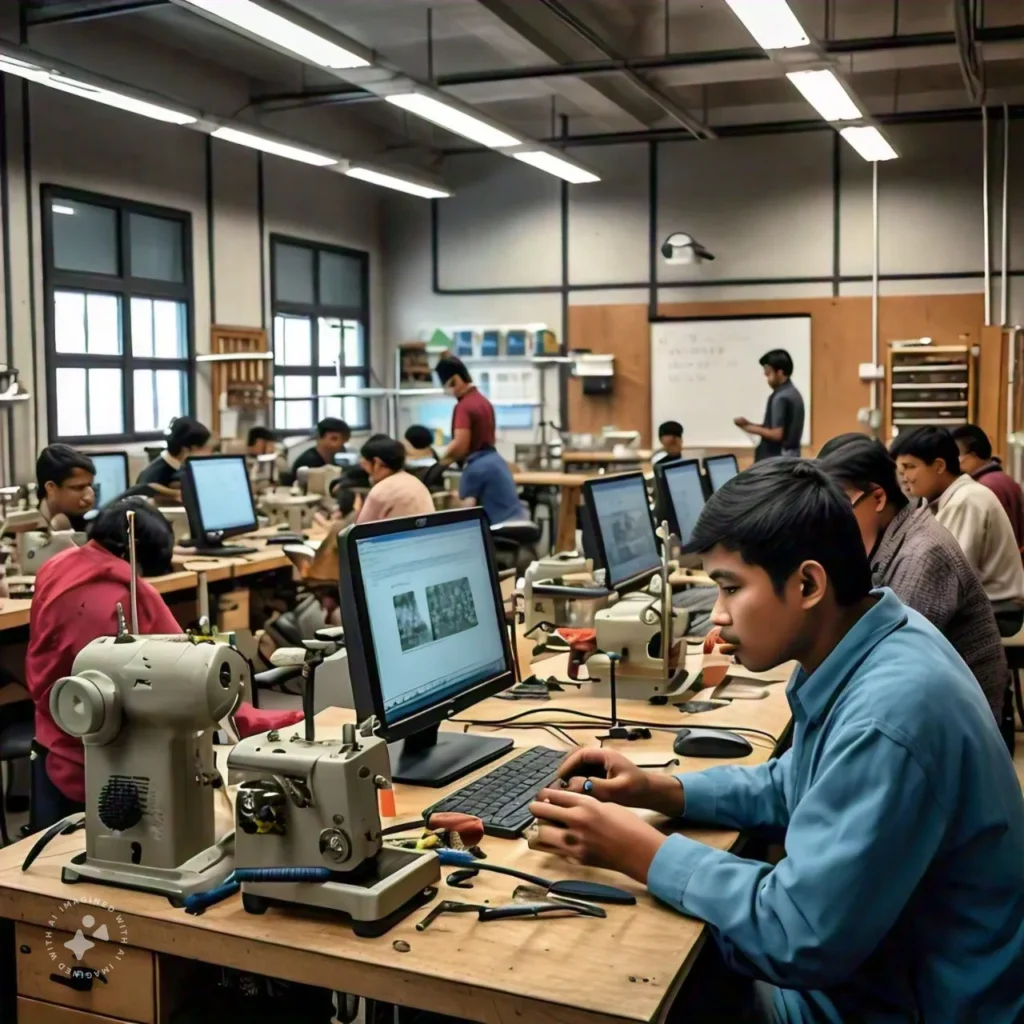
- Skill Development: Offers critical vocational training such as carpentry or mechanics—enabling individuals either to gain employment or establish their own enterprises. Read more about skill development in developing countries.
Challenges vs. Opportunities
Implementing effective Technology and Livelihood Education (TLE) programs within developing countries faces various hurdles including insufficient resources or lack of infrastructure along with untrained educators. Nevertheless; significant opportunities exist:
- Partnerships: Collaborations among governments along with non-profits can help bridge resource shortages while improving program quality. Here you can learn more about public-private partnerships in education.
- Technology Integration: Utilizing mobile devices coupled with internet access can enhance educational offerings by providing valuable information resources.
- Curriculum Relevance: Tailoring curricula according to local demands ensures that learners acquire pertinent skills suited for the job market.
- Practical Experience: Enabling students’ practical application experiences is crucial for maximizing the benefits derived from Technology and Livelihood Education (TLE) education initiatives.
Successful Examples of TLE Implementation in Developing Nations
- Grameen Bank, Bangladesh: While recognized mainly for its microfinance efforts; Grameen Bank has incorporated elements of Technology and Livelihood Education (TLE) into its programs through skill training such as weaving or pottery which has empowered women economically thereby alleviating poverty levels across rural areas.
- Maseno School, Kenya: This institution has executed a flourishing agricultural-focused program within its curriculum where pupils learn modern farming techniques alongside livestock management—all complemented by hands-on experience via school-operated farms leading towards financial improvement along with skill acquisition beneficial for future careers. Here read more about it.
- Philippines Technical Vocational Education & Training (TVET): The Philippines boasts advancements within its TVET framework offering courses tailored towards industry requirements like automotive repair/ electronics thereby addressing skill gaps whilst elevating employment rates alongside encouraging entrepreneurship among youth demographics. Here you can read more about it
Strategies for Enhancing Technology and Livelihood Education Effectiveness
To optimize outcomes from these educational initiatives several strategies should be adopted:
- Strong Public–Private Partnerships: Collaborative efforts between government entities businesses, and NGOs can provide the necessary funding expertise and infrastructure support systems required by successful implementation frameworks associated with these programs.
- Curriculum Relevance: Aligning educational content closely aligned with local economic realities ensures graduates leave equipped with relevant capabilities sought after by employers today!
- Teacher Training Initiatives: Investing time resources and professional development of teachers is paramount in delivering quality instruction and mentorship enabling learning environments conducive to student success!
- Practical Experience Opportunities: Creating avenues for internship apprenticeships in school-based enterprises is critical to fostering experiential learning and enhancing the overall effectiveness of programming offered through this model!
- Access Technology Resources: Incorporating tech tools platforms enhances engagement and facilitates the acquisition of digital literacy empowering student populations to thrive in an increasingly competitive global landscape!
- Monitoring Evaluation Systems: Regularly assessing impacts measuring successes identifying areas of improvement are key to ensuring the sustainability and long-term viability of these initiatives!
Conclusion
In conclusion; Technology Livelihood Education stands out cornerstone holistic pedagogical approach! By equipping learners with both practical competencies and analytical thinking entrepreneurial outlooks we empower them to become independent productive conscientious citizens contributing positively to societal advancement! Addressing existing challenges and leveraging emerging prospects allows us to unlock global transformative potential driving economic prosperity and social equity!