Is Climate Change Getting Better? Progress vs. Reality Explained
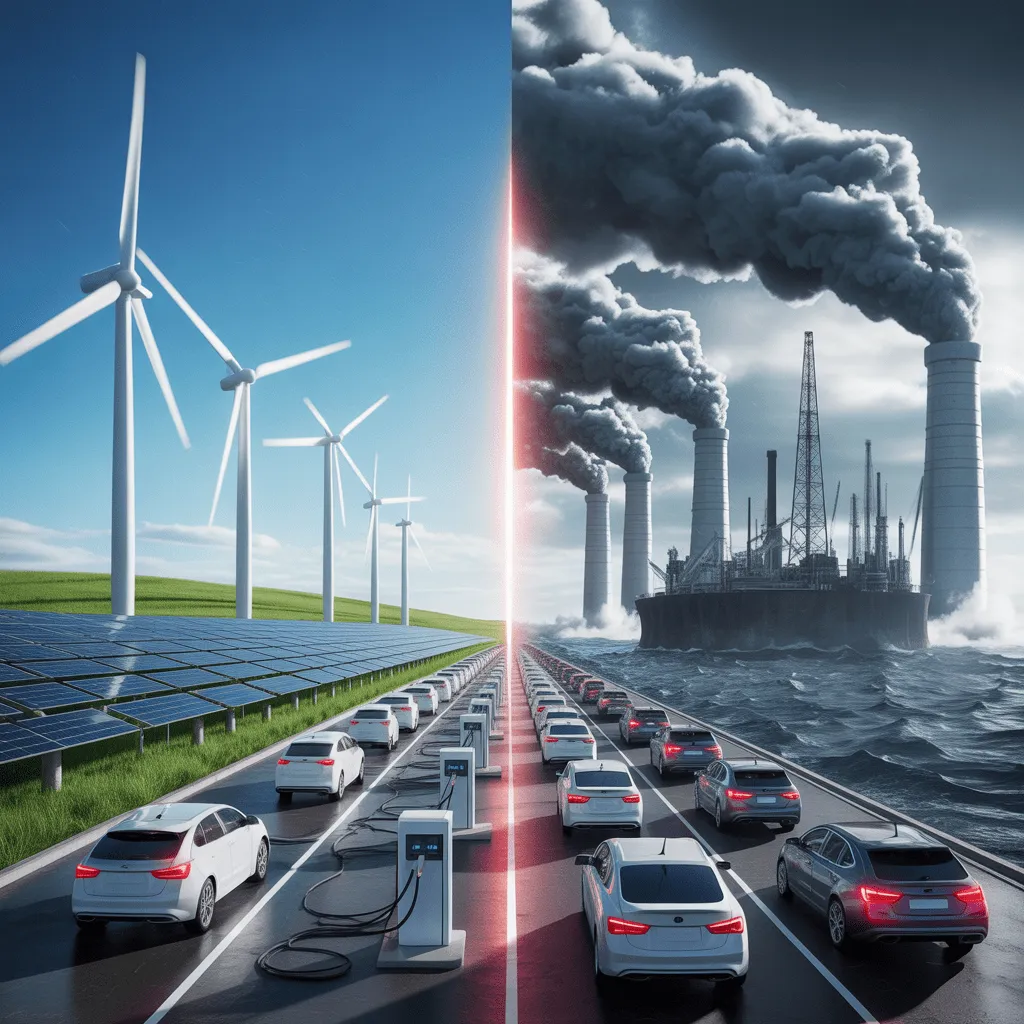
The question “Is climate change getting better?” doesn’t have a simple yes or no answer. On one hand, there’s real progress: renewable energy is growing faster than expected, electric cars are becoming mainstream, and global awareness has never been higher.
On the other hand, greenhouse gas emissions are still rising, glaciers are melting, and extreme weather events are becoming more common. So while some things are improving, the overall problem isn’t solved yet.
Let’s break it down.
Signs That Climate Change Is Getting Better
1. Growth of Renewable Energy
Is climate change getting better? The world is rapidly shifting away from fossil fuels.
- Solar and wind are now the cheapest forms of electricity in most regions.
- In 2023, renewable energy accounted for over 30% of global electricity production.
- Investments in clean energy are outpacing those in oil, gas, and coal.
This is a hopeful sign that the energy system is moving in the right direction.
2. International Agreements
The Paris Agreement of 2016 brought nearly every country together to limit global warming to below 2°C, ideally 1.5°C. Since then:
- Many nations have pledged net-zero emissions targets by 2050 or earlier.
- Climate finance is growing to support developing countries.
- Coal plants are being retired faster than planned in several regions.
Is climate change getting better? Global cooperation, while imperfect, is stronger than ever.
3. Advances in Technology
Innovation is helping fight climate change:
- Electric vehicles (EVs) are replacing gas-powered cars.
- Carbon capture technologies are being tested to remove CO₂ from the air.
- Energy storage through better batteries makes renewable power more reliable.
- Smart grids, AI, and precision farming reduce waste and emissions.
Is climate change getting better? Yes technology is giving us tools that didn’t exist 20 years ago.
4. Growing Public Awareness
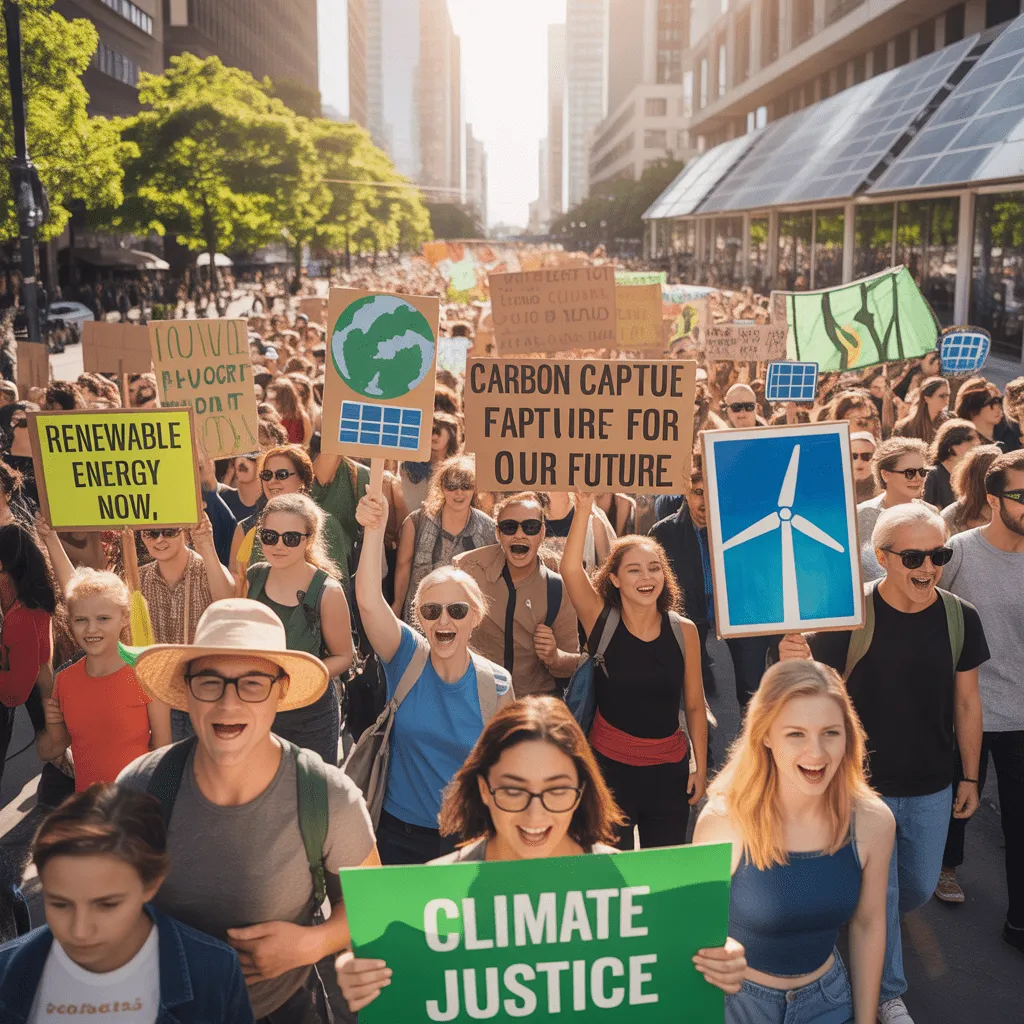
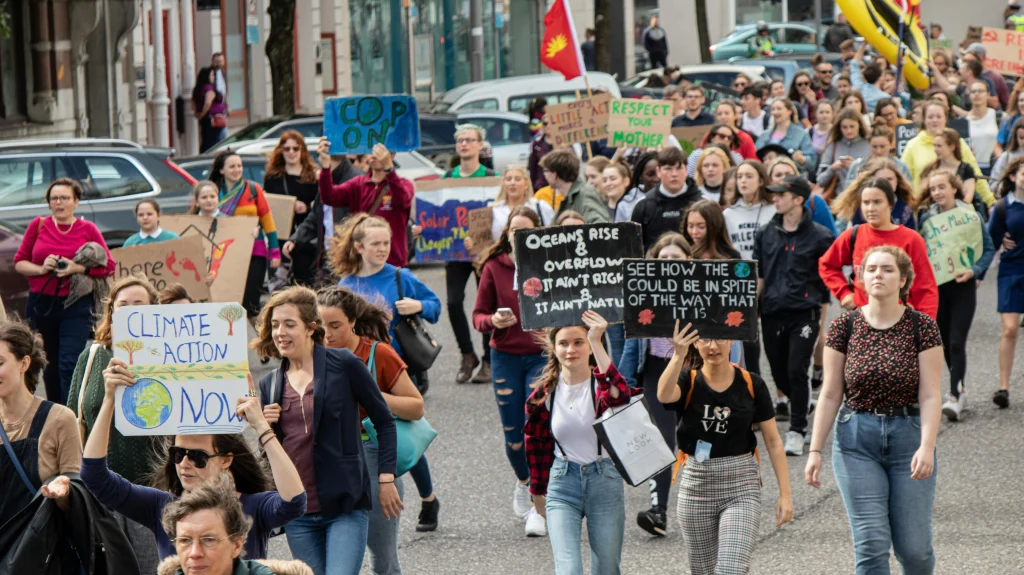
Movements like Fridays for Future and organizations like the IPCC have raised global awareness. Citizens are demanding action, businesses are adopting green policies, and investors are divesting from fossil fuels.
Is climate change getting better? This cultural shift means climate change is now a mainstream issue, not a niche debate.
Why Climate Change Is Still Getting Worse
1. Rising Global Emissions
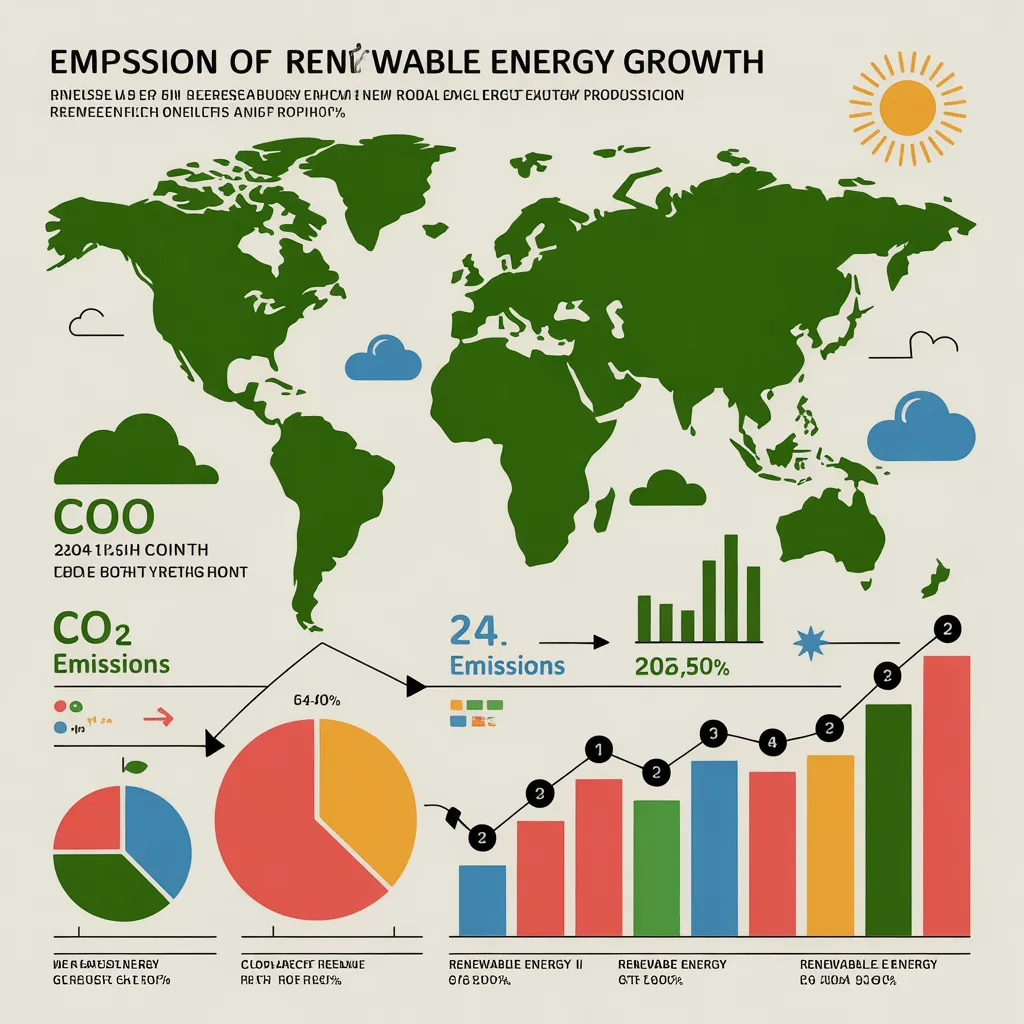
Is climate change getting better? Despite progress, global CO₂ emissions are still increasing. According to the Global Carbon Project, emissions hit a record high in 2022. That means we’re not reducing fast enough.
2. Warming Temperatures
The world has already warmed by about 1.1°C compared to pre-industrial levels. If trends continue, we could reach 1.5°C by the early 2030s. This means more:
- Deadly heatwaves.
- Stronger storms.
- Droughts and wildfires.
3. Melting Ice and Rising Seas
Glaciers in Greenland and Antarctica are melting faster than expected, contributing to sea-level rise. Some changes, like ice sheet loss, may already be irreversible this century.
4. Extreme Weather Is Escalating
Climate change is fueling disasters:
- 2023 saw record-breaking heatwaves in Europe and Asia.
- Hurricanes and floods caused billions in damage worldwide.
- Wildfires raged across Canada and Greece, worsened by hot, dry conditions.
These are clear signs that the climate crisis is intensifying.
5. Global Inequality in Action
Is climate change getting better? Developing nations suffer the most, despite contributing the least to the problem. Lack of adaptation resources means vulnerable communities face rising deaths and displacement. This climate injustice shows the world isn’t “getting better” equally.
Learn about When Will Climate Change Kill Us? A Hard Look at the Future
So, Is Climate Change Getting Better?
The short answer: not yet.
Yes, there are signs of improvement — cleaner energy, global agreements, innovation, and awareness. But these positive changes are being outpaced by ongoing emissions and worsening impacts.
Think of it this way: we’ve started running toward the finish line, but the race is far from over — and the clock is ticking.
What Needs to Happen Next
- Faster Emission Cuts – Governments must phase out fossil fuels more aggressively.
- Climate Finance – Wealthy nations need to fund adaptation and green energy in poorer countries.
- Protecting Nature – Forests, wetlands, and oceans must be preserved as natural carbon sinks.
- Global Cooperation – Political differences must take a back seat to climate survival.
- Individual Action – From diet choices to energy use, small actions matter when scaled globally.
Conclusion
So, is climate change getting better? Not yet, but it can. Progress is happening, but the pace of positive change is still slower than the pace of damage.
The good news: we have the technology, knowledge, and global awareness needed to turn things around. The bad news: we’re running out of time.
Is climate change getting better? The answer depends on us — the actions governments, businesses, and individuals take today will decide if climate change gets better or worse tomorrow.
Read about How Does Climate Change Affect the Environment? Key Impacts Explained
FAQs About Climate Change Progress
1. Is climate change slowing down?
No. Global emissions are still rising, but renewable energy growth is helping slow the rate of increase.
2. Are we making progress on climate change?
Yes. Renewables, EVs, and global agreements are positive steps, but they aren’t enough yet to reverse the trend.
3. Could climate change get better in the future?
Yes, if emissions peak this decade and then fall sharply, we can limit warming and avoid the worst impacts.
4. Why do some people say climate change is improving?
Because renewable energy is booming, awareness is growing, and some countries are cutting emissions. But globally, the crisis is still worsening.
5. What can individuals do to help climate change get better?
Switch to clean energy, reduce meat consumption, use public transport, recycle, and support policies that prioritize climate action.
If you are interested to play role for beterment of the world then learn about How to Stop Climate Change: Real Solutions for a Shared Future