What Causes Climate Change? A Clear Look at the Root Problem
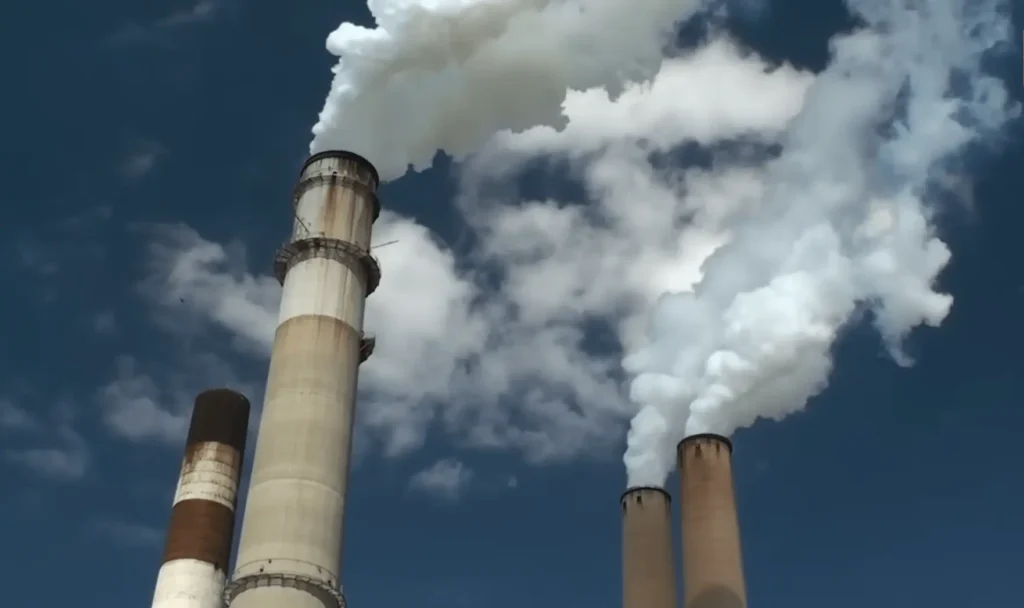
When people ask, “What causes climate change?” the simple answer is: humans are the biggest driver today. While natural shifts in Earth’s climate have always existed, the speed and intensity of the changes we face now are directly linked to human activity.
From burning fossil fuels to cutting down forests, our actions have pushed the planet into a warming phase that is unprecedented in recorded history. Let’s break it down step by step to understand what’s really behind climate change.
The Greenhouse Effect: Nature’s Blanket Gone Wrong
The Earth naturally stays warm because of the greenhouse effect. Gases like carbon dioxide (CO₂), methane (CH₄), and water vapor trap some of the Sun’s heat, keeping the planet habitable. Without it, Earth would be too cold for life.
What causes climate change? The problem? Humans are releasing too many greenhouse gases, making the blanket too thick. As a result, more heat gets trapped, causing the planet to warm at a dangerous pace.
Main Human Causes of Climate Change
1. Burning Fossil Fuels
Coal, oil, and natural gas are the backbone of modern energy. But burning them for electricity, transport, and industry releases huge amounts of CO₂.
- Power plants, cars, airplanes, and factories are major sources.
- According to the International Energy Agency (IEA), fossil fuels still account for about 80% of global energy use as of 2024, making them the largest contributor to global warming.
2. Deforestation
Forests act like the Earth’s lungs. They absorb CO₂ and release oxygen. But when trees are cut down for logging, farming, or urban development:
- Less CO₂ is absorbed.
- Burning or decomposing trees release even more carbon.
The Amazon rainforest, often called the “lungs of the planet,” has lost millions of acres in recent decades, accelerating climate change.
3. Industrial Processes
Factories don’t just release CO₂. They also emit methane (CH₄) and nitrous oxide (N₂O), which are even more potent greenhouse gases.
- Cement production alone contributes about 8% of global CO₂ emissions.
- Chemicals used in refrigeration and industry (like hydrofluorocarbons) are also powerful heat-trapping gases.
4. Agriculture
Farming practices play a bigger role than many realize:
- Livestock farming releases methane from cow digestion.
- Rice paddies emit methane during flooding.
- Fertilizers used on crops release nitrous oxide.
Together, agriculture accounts for about one-quarter of global greenhouse gas emissions.
5. Waste and Landfills
As organic waste decomposes in landfills, it releases methane. Poor waste management, especially in rapidly growing cities, adds significantly to greenhouse gas emissions.
Natural Factors That Influence Climate
While human activity is the main driver, some natural factors can influence climate:
- Volcanic Eruptions → Release particles and gases that temporarily cool the Earth.
- Solar Activity → Changes in the Sun’s energy output can slightly affect the climate.
- Ocean Currents → Shifts in circulation (like El Niño and La Niña) influence weather patterns.
What causes climate change? However, these natural factors operate on much longer timescales or cause short-term changes. The rapid warming of the past 150 years cannot be explained without human activity.
The Role of Greenhouse Gases: Not All Equal
Not all gases warm the Earth equally. Scientists use a measure called Global Warming Potential (GWP) to compare them.
| Greenhouse Gas | Source | Heat-Trapping Power (GWP over 100 years) |
| Carbon Dioxide (CO₂) | Fossil fuels, deforestation | 1 (baseline) |
| Methane (CH₄) | Livestock, landfills, rice farming | ~28x stronger than CO₂ |
| Nitrous Oxide (N₂O) | Fertilizers, industry | ~265x stronger than CO₂ |
| HFCs | Refrigeration, industry | 1,000+ times stronger |
This shows why reducing methane and nitrous oxide emissions is as critical as cutting CO₂.
How Do We Know Humans Are the Cause?
Some skeptics ask, “How do we know it’s humans, not nature?” Scientists use multiple lines of evidence:
- Carbon fingerprinting: CO₂ from fossil fuels has a different chemical signature than natural sources.
- Climate models: Simulations that include only natural factors (like volcanoes or solar activity) cannot explain the recent warming. When human emissions are added, the models match real-world data almost perfectly.
- Historical data: CO₂ levels are now higher than at any point in the past 800,000 years, as shown by ice core samples.
The Consequences of Human-Caused Climate Change
Understanding what causes climate change? The causes help us see the impacts:
- Rising global temperatures (2024 was the hottest year ever recorded).
- More extreme weather events: hurricanes, heatwaves, floods.
- Melting glaciers and rising sea levels are threatening coastal cities.
- Ocean acidification is damaging marine ecosystems.
- Increased risk of food and water insecurity worldwide.
People don’t take it seriously. You can learn about Is Climate Change Real? Separating Myths from Reality
Can We Do Something About It?
Yes. While the causes are serious, the solutions are within reach:
- Transition to renewable energy (solar, wind, hydro, nuclear).
- Stop deforestation and support reforestation.
- Invest in sustainable farming and reduce food waste.
- Improve waste management and recycling.
- Adopt green technologies in industries and transportation.
The faster we act, the more we can limit the worst effects.
Conclusion
So, what causes climate change? The overwhelming scientific evidence points to human activities — burning fossil fuels, cutting forests, industrial farming, and waste. Natural factors exist, but they cannot explain the scale and speed of today’s warming.
The good news? Since humans are the main cause, we can also be the solution. Shifting to clean energy, protecting nature, and changing our habits can slow climate change and secure a safer future for the global village. What causes climate change?
FAQs About the Causes of Climate Change
1. What is the biggest cause of climate change?
What causes climate change? The biggest cause is burning fossil fuels like coal, oil, and gas for energy, transport, and industry. This releases large amounts of carbon dioxide into the atmosphere.
2. How does deforestation cause climate change?
Trees absorb CO₂. Cutting them down reduces Earth’s ability to store carbon, while burning or decomposing trees adds more greenhouse gases to the air.
3. Which gas is most harmful to climate change?
All greenhouse gases trap heat, but methane and nitrous oxide are far more powerful than CO₂ in the short term. However, CO₂ is the most harmful overall because we emit it in huge quantities.
4. Can natural causes explain today’s climate change?
No. While natural factors like volcanoes and solar cycles affect climate, the rapid warming since the Industrial Revolution matches human activity, not natural patterns.
5. How can we reduce the causes of climate change?
What causes climate change? By cutting fossil fuel use, switching to renewable energy, stopping deforestation, improving farming methods, and managing waste more sustainably.