How to Stop Climate Change: Real Solutions for a Shared Future
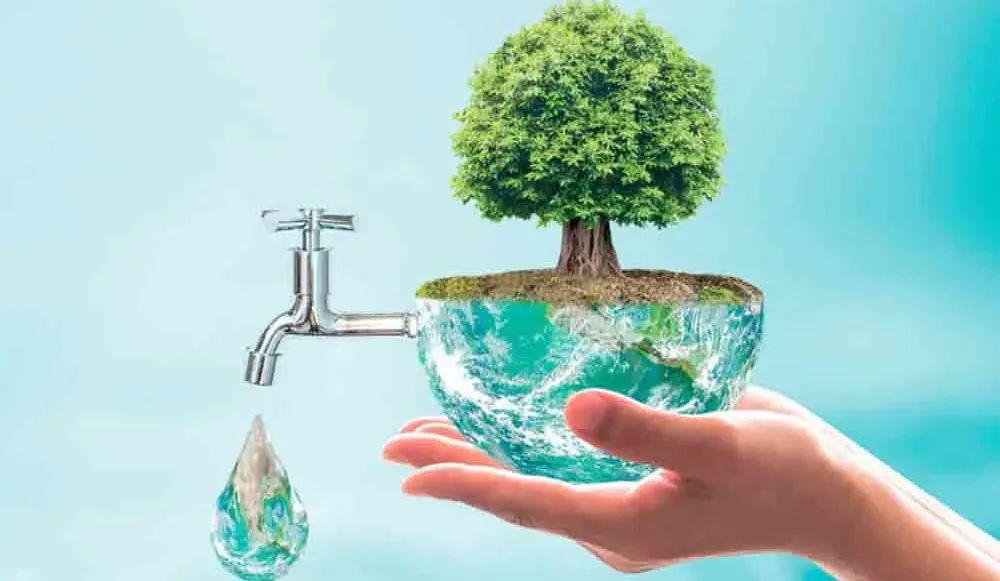
How to Stop Climate Change? Climate change is not just a buzzword — it’s the biggest challenge facing our global village. Rising sea levels, stronger storms, food insecurity, and mass migration are no longer distant warnings; they’re happening now.
The real question isn’t whether climate change is real — we already know it is. The urgent question is: how do we stop it? While we can’t turn back the clock, we can slow down warming, reduce greenhouse gases, and build a sustainable future if we act together.
People don’t take it seriously. You can learn about Is Climate Change Real? Separating Myths from Reality
Can We Really Stop Climate Change?
The honest answer: We may not be able to stop it completely, but we can limit the damage. Scientists call this mitigation — reducing greenhouse gas emissions to slow the pace of warming. Combined with adaptation — preparing communities for unavoidable changes — it gives us a fighting chance.
How to Stop Climate Change?
Stopping climate change means tackling its causes: fossil fuel use, deforestation, industrial farming, and waste. Let’s explore how.
1. Transition to Clean Energy
How to Stop Climate Change? The very first step is that Energy production is the single largest source of global greenhouse gas emissions. To stop climate change, we need to:
- Invest in renewable energy like solar, wind, hydro, and geothermal.
- Phase out coal plants and reduce dependence on oil and gas.
- Expand nuclear power in places where it’s safe and feasible.
- Improve energy storage with advanced batteries to make renewable power more reliable.
According to the International Energy Agency, switching to renewables could cut global CO₂ emissions by more than half by 2050.
Read about The Impact of Greenhouse Gases on the Atmosphere and Climate: A Comprehensive Guide
2. Rethink Transportation
How to Stop Climate Change. The 2nd step: Cars, trucks, ships, and airplanes are major contributors to climate change. Solutions include:
- Expanding electric vehicle (EV) adoption.
- Building better public transport systems to reduce car dependence.
- Encouraging cycling and walking-friendly cities.
- Using biofuels and hydrogen for aviation and shipping.
If cities worldwide adopt cleaner transport systems, millions of tons of CO₂ could be avoided every year.
3. Protect and Restore Forests
How to Stop Climate Change. The 3rd step: Forests absorb billions of tons of CO₂ every year. Stopping deforestation is one of the fastest, most cost-effective ways to slow climate change. Steps include:
- Ending illegal logging and unsustainable palm oil or cattle farming.
- Supporting reforestation projects (planting trees).
- Encouraging agroforestry, where crops and trees grow together.
The Amazon rainforest, Congo Basin, and Indonesian forests are critical “carbon sinks.” Protecting them means protecting our climate.
4. Transform Agriculture and Food Systems
How to Stop Climate Change. The 4th step: Agriculture contributes about 25% of global emissions through livestock, rice farming, and fertilizer use. To reduce this:
- Support plant-based diets or reduce meat consumption, especially beef.
- Use sustainable farming methods like crop rotation and organic fertilizers.
- Invest in vertical farming and lab-grown meat.
- Cut food waste — currently, one-third of all food produced goes uneaten.
Eating more sustainably isn’t just good for the planet — it improves human health too.
5. Smarter Waste Management
How to Stop Climate Change, the 5th step: Landfills produce methane, a greenhouse gas far stronger than CO₂. Stopping climate change requires:
- Reducing single-use plastics.
- Expanding recycling and composting.
- Turning waste into energy through biogas technology.
Cities like San Francisco have already achieved recycling rates above 80%, proving it’s possible on a large scale.
6. Invest in Green Technology
How to Stop Climate Change, 6th step: Innovation is key to stopping climate change. Some promising solutions include:
- Carbon capture and storage (CCS): trapping CO₂ from power plants and storing it underground.
- Direct air capture (DAC): machines that literally suck CO₂ out of the air.
- Smart grids: energy networks that distribute electricity more efficiently.
- Green hydrogen: a clean fuel produced using renewable electricity.
These technologies are still expensive but becoming more affordable every year.
7. Global Cooperation
How to Stop Climate Change, 7th step: Climate change doesn’t respect borders. One country’s emissions affect the whole planet. That’s why international agreements like the Paris Agreement matter.
Key global steps:
- Richer nations must fund climate action in developing countries.
- Stronger climate finance commitments (at least $100 billion annually).
- Binding agreements to phase out coal, oil, and gas.
- International carbon pricing systems to make polluting more expensive.
Without cooperation, local efforts won’t be enough.
8. What Individuals Can Do
How to Stop Climate Change, 8th step: While governments and corporations carry the biggest responsibility, individuals can also help:
- Use energy-efficient appliances and reduce electricity waste.
- Switch to renewable energy providers if possible.
- Reduce car use; walk, bike, or use public transport.
- Eat more plants and less red meat.
- Recycle, compost, and cut plastic use.
- Support businesses and leaders committed to climate action.
Small actions add up when millions of people take them.
9. Adaptation: Living with Climate Change
How to Stop Climate Change, 9th step: Even if we cut emissions today, some warming is already locked in. That means we must adapt by:
- Building sea walls and flood defenses for coastal cities.
- Developing drought-resistant crops.
- Strengthening disaster preparedness for storms and wildfires.
- Creating policies for climate refugees.
Adaptation ensures survival while mitigation ensures a sustainable future.
Conclusion
So, how to stop climate change? The answer lies in cutting emissions, protecting ecosystems, investing in clean technology, and working together globally.
It’s not one solution, but a combination of many. Governments, industries, and individuals must all play their part. The task is enormous, but so are the rewards: a stable climate, healthier communities, and a planet fit for future generations.
Stopping climate change is not just about survival — it’s about creating a better, fairer world.
FAQs About Stopping Climate Change
1. Can we really stop climate change?
We may not be able to stop it completely, but we can slow it down and limit its most dangerous effects through strong action.
2. What is the fastest way to reduce climate change?
The fastest step is to cut fossil fuel use and switch to renewable energy like solar and wind. Protecting forests also brings immediate benefits.
3. Do individual actions really matter?
Yes. While governments and corporations have the biggest impact, collective individual action can influence markets and policies. For example, plant-based diets and renewable energy demand are growing worldwide.
4. What role does technology play?
Technologies like carbon capture, electric vehicles, and green hydrogen can significantly cut emissions. But tech alone isn’t enough — political will and lifestyle changes are also essential.
5. Why is global cooperation important?
Because climate change affects everyone. If one country reduces emissions but others don’t, the planet still warms. Cooperation ensures fair responsibility and effective results.