The Impact of Greenhouse Gases on the Atmosphere and Climate: A Comprehensive Guide

Introduction
A natural phenomenon, popularly called the greenhouse effect, is a series of gases that retain the heat on the Earth and make it warm. Although this has always been present naturally and assisted Earth in remaining warm to make conditions favorable for life, there exists an additional level of human-induced gases, known as Greenhouse Gases (GHGs) that amplify the greenhouse effect and contribute significantly to faster temperature rise all over the globe. This phenomenon, referred to as global warming, has implications and spreads over climate patterns and ecosystems, human health, and economic stability. This article helps to understand the main greenhouse gases, their sources, and the importance and critical impacts they pose on the atmosphere.
Table of Contents
What are Greenhouse Gases (GHGs)?
Greenhouse gases are atmospheric constituents that absorb and emit infrared radiation, thus trapping heat within the Earth’s atmosphere, of which the term applied to this is known as the greenhouse effect. The main greenhouse gases are carbon dioxide (CO₂), nitrous oxide (N₂O), methane (CH₄), and fluorinated gases (F-gases). Each of these gases has different properties and unpredictable impact on the climate, though water vapor also acts as a greenhouse gas, and its presence is more of a reaction of warming processes than a cause.

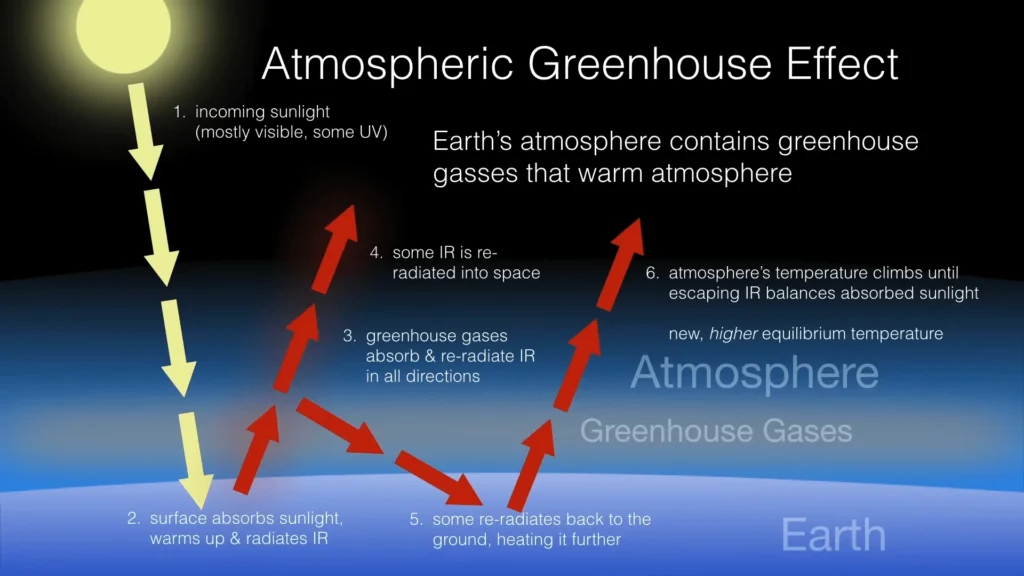
This process is referred to as the greenhouse effect, whereby some gases in Earth’s atmosphere trap heat, making it warm enough to sustain life. The sun emits the energy; when this sunlight reaches the Earth, the surface absorbs the energy and becomes warm. This warmth radiates back into space in the form of infrared energy. Greenhouse gases absorb and then re-radiate infrared energy. Carbon dioxide (CO₂), water vapor (H₂O), methane (CH₄), and nitrous oxide (N₂O) absorb infrared radiation and re-radiate it, catching it in the atmosphere and preventing heat from flowing rapidly out into space. Without this process, Earth would be too cold to support most forms of life because its average temperature would then be about 15°C or 59°F.
What are Examples of Greenhouse Gases?
However, human activities have strengthened the greenhouse effect by raising the levels of greenhouse gases. For example, burning fossil fuels (coal, oil, and natural gas) emit massive quantities of CO₂. Methane emissions result from agriculture and waste. The increased greenhouse effect results in global warming, whereby the temperatures on Earth become unnatural and change the climate in that Earth experiences increased frequency of heat waves, melting of polar ice, and an increase in sea levels.
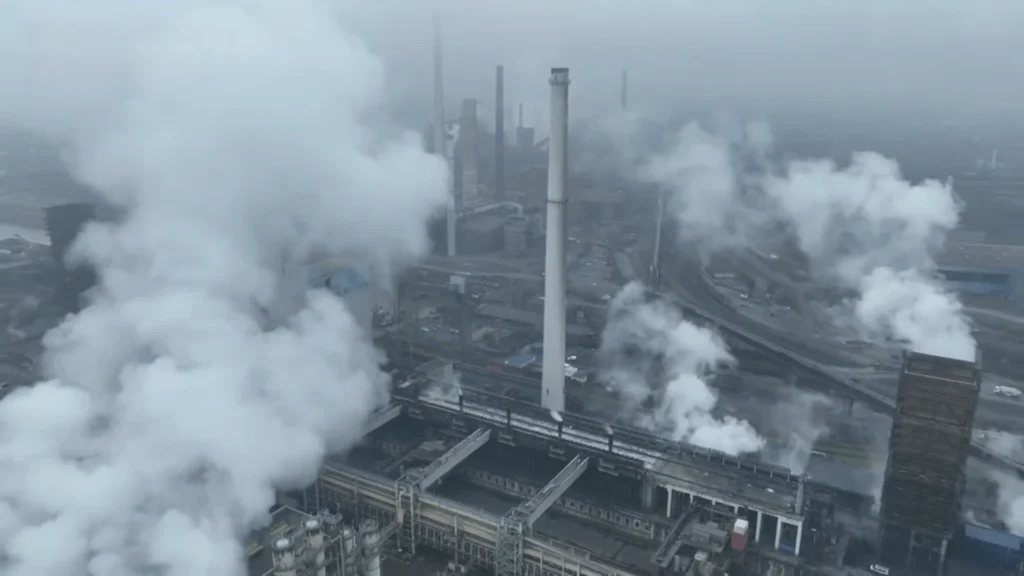
There are different examples of the greenhouse influence in action including warmer winters in few regions and long-lasting deficiencies, which affect biodiversity and agriculture. Understanding this process is crucial for addressing change in climate and developing sustainable practices to decrease greenhouse gas emissions.
What is the Importance of Greenhouse Gasses and its Benefits?
GHGs are very critical in keeping the Earth’s climate controlled; they retain heat in the atmosphere, thus referred to as a greenhouse effect. If all of these gases disappeared, it would not be possible for the Earth to maintain most forms of life since it would drop to about -18°C or 0°F from 15°C or 59°F as the average temperature. There are the main advantages and importance of greenhouse gases:
Habitability for Various Ecosystems
By protecting Earth’s warmth, greenhouse gases build an environment that maintains different ecosystems, including oceans, forests, and wetlands. These ecosystems offer environments for numerous species and provide resources for human being needs, such as water, food, materials, and medicine.
Water Cycle Support
Greenhouse gases, specifically water vapor, are crucial in supporting the water cycle. They provide warmness which enables water to evaporate, and then water vapors convert into clouds form, and ultimately precipitate as rain or snow, which is critical for drinking water, agriculture, and ecosystem sustainability.
Temperature Regulation
Carbon dioxide (CO₂), methane (CH₄), and water vapor are the GHGs. They contribute to maintaining Earth’s surface temperature within a range suitable for life by absorbing and re-radiating heat, thus avoiding drastic temperature drops, particularly at night when there is no sunlight. Although natural greenhouse gases are energetic for life, keeping a balanced awareness is essential to inhibit excessive heating.
What is the Greenhouse Effect: Natural and Enhanced
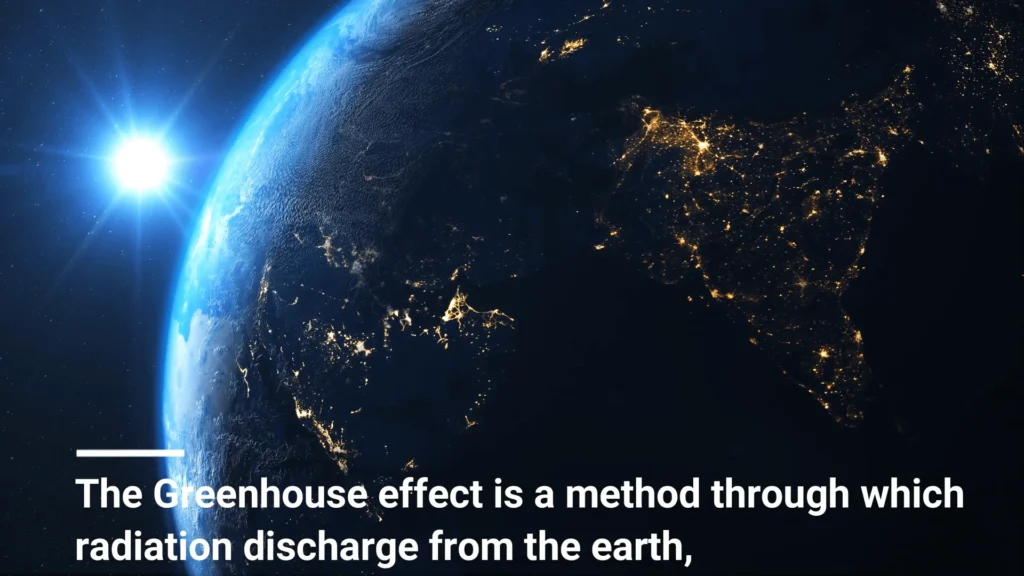
The energy that comes to Earth from the Sun may have a hard time traveling to space. A portion of this energy is absorbed and released by greenhouse gases in the atmosphere as a result of the greenhouse effect.
The temperature on Earth would be below freezing without the need for the greenhouse effect. Part of it is a natural process. However, as greenhouse gases are added to the atmosphere, the Earth’s greenhouse effect is becoming stronger. Our planet’s climate is warming as a result.
An essential component of life is that the greenhouse effect keeps the average temperature of Earth within a level where human life may exist. However, people began to change the concentration of these gases in the atmosphere significantly after the Industrial Revolution. As a result, there was an “enhanced greenhouse effect” – an unnatural amplification of the natural warming process out of balance the climate system of the Earth.
What are the Main Gases of the Greenhouse?
1. Carbon Dioxide (CO₂)
Carbon dioxide (CO2) is the most prevalent greenhouse gas originating from human sources of emission. Primarily made through combustion, Fossil fuels, including coal, oil, and even natural gas generate either energy or power for transportation. One of the largest sources remains deforestation because carbon is absorbed through photosynthesis in trees. When all of those trees are cut and burned, the stored carbon from all that life goes into the atmosphere. Industrial processes, such as cement production, also emit CO₂, giving a contribution to its atmospheric concentration. CO₂ is particularly potent because of its long atmospheric lifetime and due to the large perturbations in energy and land-use changes.
2. Methane (CH₄)
Methane is another potent greenhouse gas but has a much higher warming potential than carbon dioxide and a shorter atmospheric lifetime. Its main sources are agriculture (principally from livestock digestion and rice paddies) fossil fuel extraction, and the decomposition of waste in landfills. The greatest source of methane emissions is agricultural, mainly from livestock. Aside from this, extraction and transfer procedures for natural gas crude oil also contribute to emissions due to methane seeping into the atmosphere.
3. Nitrous Oxide (N₂O)
As evidenced, nitrous oxide comes with a high global warming potential and primarily owes its emission to agriculture sectors primarily through synthetic fertilizers through the by-product released called N2O. Secondly, fossil fuel combustion with some industrial processes as well as soil management activities cause Nitrous Oxide to be considered a potent greenhouse gas known for its long lifespan before it is lost from the atmosphere.
4. Fluorinated Gases (F-gases)
Fluorinated gases are synthetic greenhouse gases used in applications such as industrial refrigeration, air conditioning, and more for electronics production. These mainly include hydrofluorocarbons (HFCs), perfluorocarbons (PFCs), sulfur hexafluoride (SF6), and nitrogen trifluoride (NFs) which have a high global warming potential and in many cases, a very long atmospheric lifespan. Even though they are emitted in much smaller quantities than others, their warming impact per molecule can be thousands of times greater than that of CO₂.
5. Water Vapor (H₂O)
Water vapor is an endogenous greenhouse gas, but it works more as feedback within the warming process and is not an initiating cause of the greenhouse effect since its concentration is determined by temperature. The warmer it becomes through the other greenhouse gases, the more it evaporates, which means the amount of water vapor in the atmosphere enhances the greenhouse effects.

Main Causes of Increased Greenhouse Gas Emissions
An emission of Greenhouse gases harms human life as well as disastrous for marine life and it also harms the infrastructures and pollutes the atmosphere. Different causes increase greenhouse gas emissions.
Industrialization and Fossil Fuel Dependence
The primary cause of rising greenhouse gas emissions is attributed to the fast industrialization of society and the growing usage of fossil fuels for energy generation. Significant amounts of CO₂ and N₂O are released during the combustion of coal, oil, and natural gas, which causes the atmospheric GHG levels to rise quickly globally.
Agriculture and Land-Use Changes
Agriculture emits methane from the livestock process of digestion, and rice farming uses fertilizers, while land use changes such as deforestation add to increased levels of CO₂ because carbon seized in the tree is released when it is cut down or burned and lowers the capacity of Earth to absorb CO₂.
Industrial and Waste Processes
Waste management activities, such as landfill procedures, Carbon dioxide (CO₂), and methane as organic material decomposes. Industrial procedures like cement manufacture release large quantities of CO₂, participating in the atmospheric GHG stages. The manufacturing of cement without help is responsible for approximately 8% of global Carbon dioxide (CO₂) releases.
Urbanization and Energy Demand
The growth of metropolitan regions has led to an increase in energy demand and transportation requirements, both of which are important contributors to greenhouse gas emissions. Cities are a substantial contributor to world emissions, mostly because of the energy used for industrial, transportation, heating, and electricity.
What are the Impact of Greenhouse Gases on the Climate and Atmosphere?
Global Warming and Rise in Temperature
The most direct effect of increased greenhouse gases is global warming, where the average global temperature increases steadily. It has sped up during the past century and will continue with disastrous effects; a little increase in the temperature will lead to significant changes in ecosystems, weather patterns, and sea levels. You can learn more about global warming and climate change
Changes in Weather Patterns and Extreme Events
The greenhouse effect has become more frequent and severe due to an increase in the number of storms, floods, droughts, and heat waves. Current atmospheric patterns in various locations are being changed by this climate change, which makes the phenomenon erratic and dangerous. Because extreme weather events are more common and severe, infrastructure, ecosystems, and human lives are in danger.
Sea Level Rise, Ocean Acidification, and Melting Ice Glaciers
Increasing temperatures melt the glaciers and polar ice caps, contributing to the sea levels. Thermal expansion of saltwater also contributes to a rise in sea level, threatening coastline ecosystems and communities. In addition, the absorption of CO₂ by oceans leads to acidification of the ocean, which is harmful to marine life, specifically fishes, and coral reefs, and interrupts aquatic food chains.
Rise in temperatures are melting glaciers and polar ice caps, leading to rising sea levels because of this erosion, coastal flooding, and displacement of populations.

Biodiversity Loss and Ecosystem Disruption
Increased temperatures, changing climatic zones, and many other factors are climate-related causes. Species that are unable to adapt or migrate themselves become extinct, which reduces biodiversity. Coral reefs, rainforests, and the Arctic tundra are among the ecosystems that are easily destroyed. Its degradation leads to ecological instability on a global scale.
Because species are unable to adapt, warming climates disrupt ecosystems and have an impact on biodiversity. For instance, they may change a species’ range of habits, modify migration patterns, or even endanger certain species.
Health Impacts on Humans
Human health is at risk due to high GHG levels and their associated impacts on the climate. Temperature increases have the potential to worsen respiratory conditions linked to reduced air quality and cause heat-related illnesses. By disrupting agricultural production systems and increasing the likelihood of food shortages and malnutrition, climate change also has an impact on food security.
Reduction of the Greenhouse Gas Emissions
Renewable Energy Transition
Reducing greenhouse gas emissions by switching from fossil fuels to renewable energy sources like hydropower, solar, and wind is arguably one of the most effective strategies. By making these adjustments, CO2 emissions will be drastically reduced, and reliance on limited resources will be lessened.
Because fuel combustion produces nitrous oxide byproducts, it reduces emissions and, consequently, its use, particularly from secondary sources and motor vehicles. N2O emissions can be decreased using pollution control technology, such as catalytic converters, which are made to lower the exhaust pollutants from passenger cars.
Carbon Storage and Carbon Capture
Carbon capture and storage (CCS) is one example of a technology that helps stop CO2 from entering the atmosphere. Carbon storage in trees and soil can be improved by reforestation and soil management, which can also naturally adsorb CO₂.
Agricultural and Land-Use Improvements
Methane and nitrous oxide emissions can be decreased by using environmentally friendly farming techniques such as crop rotation, agroforestry, and less fertilizer. In addition to enhancing soil health and increasing the storage of carbon, regenerative agricultural practices also aid in slowing down global warming. you can learn more about how to End Hunger In The World through Sustainable Farming Techniques.
Policy and Regulatory Interventions
Effective collaboration of international efforts to cut emissions depends on aligns like the Paris Agreement. To ensure accountability and progress, governments can enact laws that aim to reduce emissions in important sectors and provide incentives for the adoption of clean energy.
Individual and Community Actions
By using less energy, producing less waste, and implementing sustainable practices, both individuals and communities may help reduce emissions. Changes in lifestyle, including taking public transit, saving energy, and buying sustainable goods, also have an impact.
Conclusion
The major significance of greenhouse gases remains toward the maintenance of Earth’s climate, although human-induced activities have elevated their increased presence in the atmosphere, causing global warming and associated climate change. The extent of impacts runs vast mostly related to weather modifications with effects on sea levels and within ecosystems influencing various human health factors. Despite all the challenges that will be brought by climate change, this problem can be solved through several means. These are renewable energy transitions, sustainable agriculture, and implementing international climate agreements. Therefore, greenhouse gas emissions could be reduced at the individual, national, and global levels to protect the planet for generations to come.
You can learn more about how Climate Change Is a Bigger Threat To the Global Village Than War.


3 thoughts on “The Impact of Greenhouse Gases on the Atmosphere and Climate: A Comprehensive Guide”