When Will Climate Change Kill Us? A Hard Look at the Future
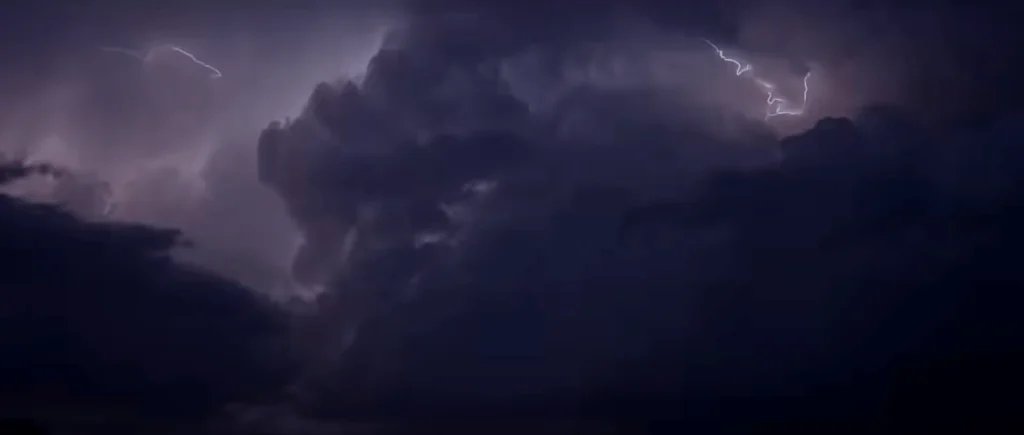
It sounds like a scary question: “When will climate change kill us?” While no scientist can give a single date, experts agree that climate change is already killing people today — through heatwaves, floods, wildfires, hunger, and disease.
The real issue isn’t if climate change will kill us, but how many lives will be lost and how soon, depending on the choices we make today.
Climate Change Is Already Deadly
“When will climate change kill us?” The World Health Organization estimates that 250,000 additional deaths per year will occur between 2030 and 2050 due to malnutrition, malaria, heat stress, and diseases linked to climate change.
Examples we see today:
- Heatwaves in Europe and Asia have killed tens of thousands in a single summer.
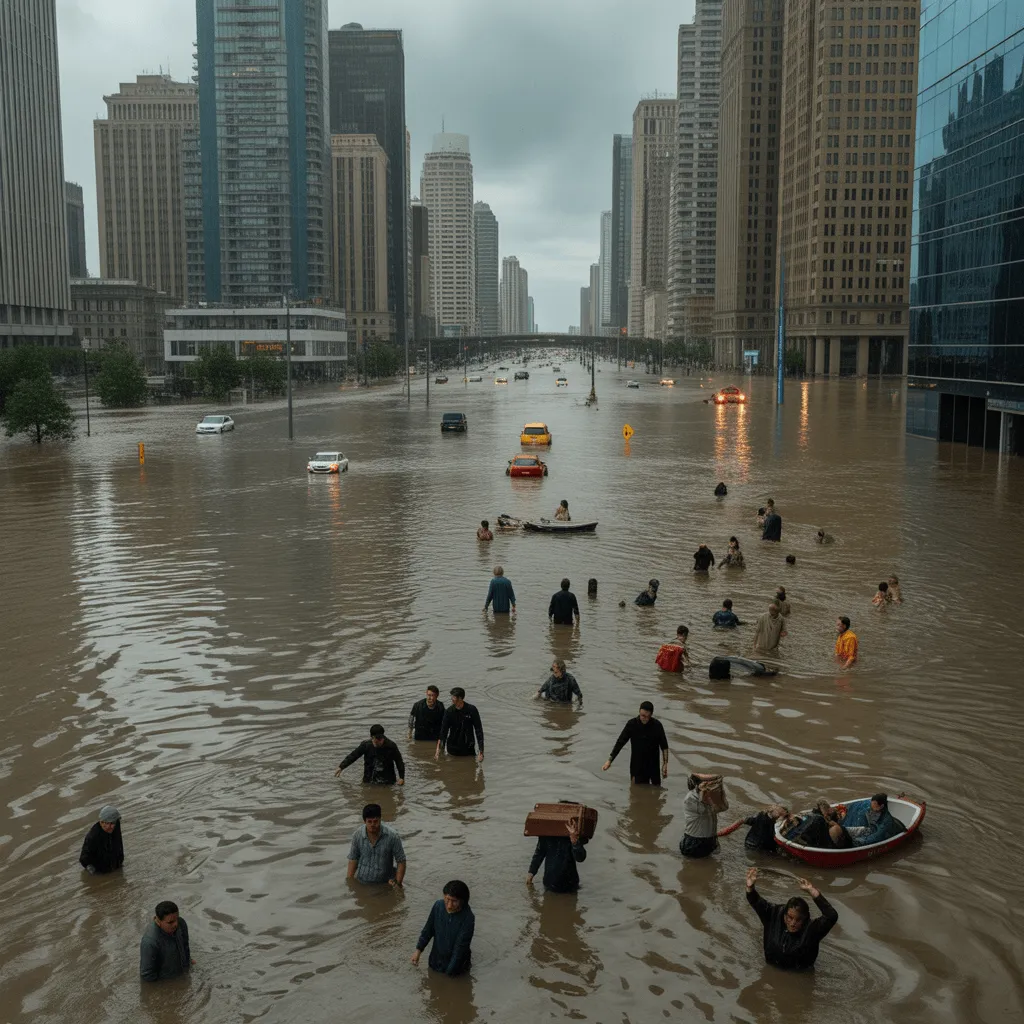
- Floods and storms linked to warming oceans cause massive casualties.
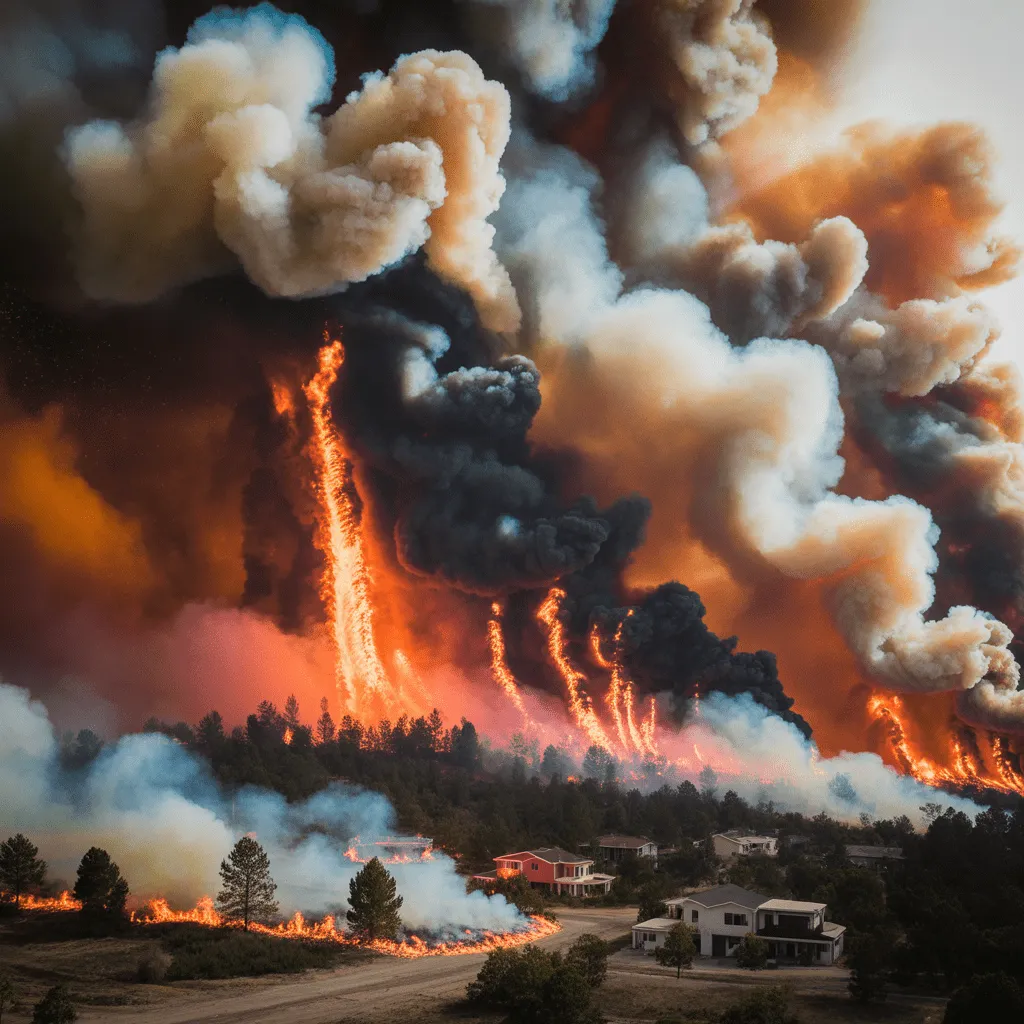
- Wildfires destroy homes, forests, and lives across North America, Australia, and the Mediterranean.
So, in one sense, climate change is already killing us.
The Timeline: When Will It Get Worse?
“When will climate change kill us?” The following stats guide us towards these questions.
2030s: The Critical Decade
- Scientists warn that if we don’t drastically cut emissions by 2030, the chance of limiting warming to 1.5°C will be gone.
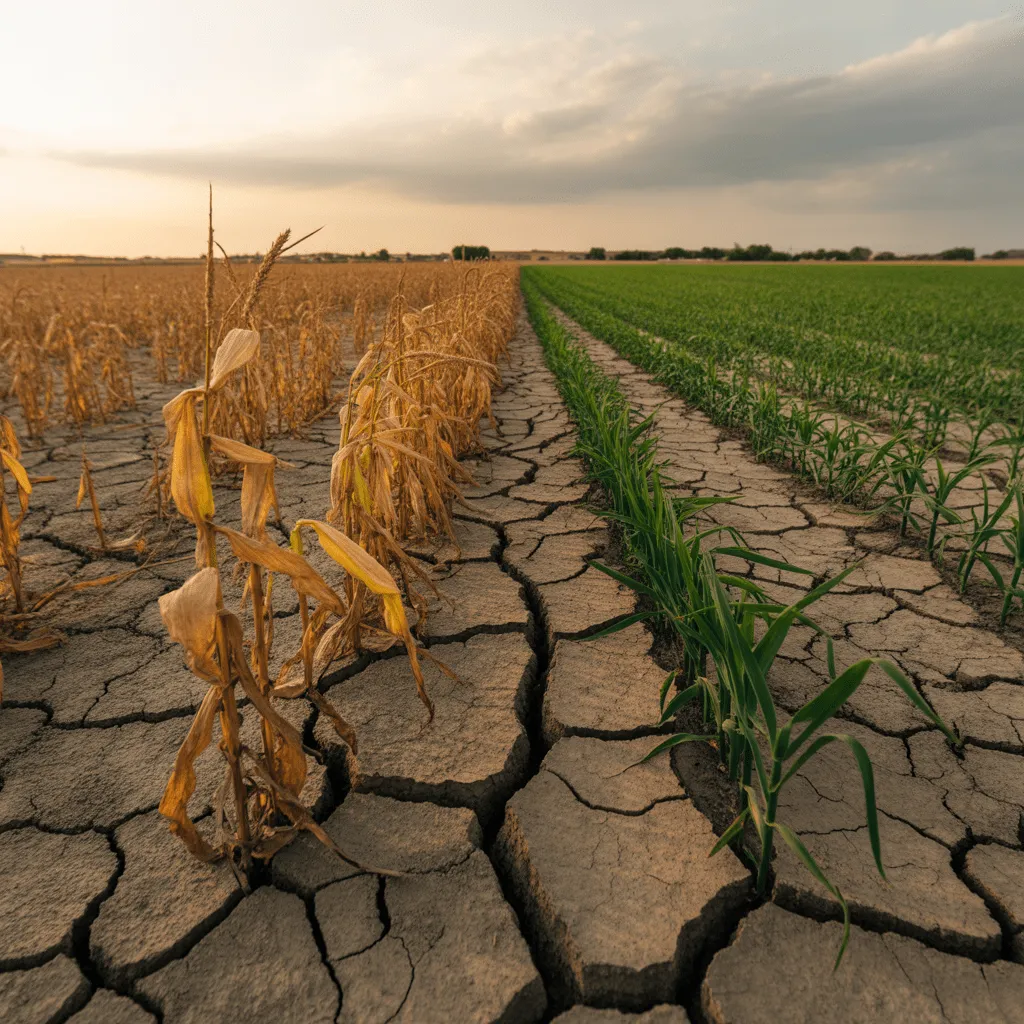
- At current rates, hundreds of millions of people could face severe heat, drought, and food insecurity.
2050s: Mid-Century Warnings
- By 2050, over 1 billion people could live in areas too hot for human survival without cooling.
- Coastal cities like Miami, Jakarta, and Dhaka may be partially underwater.
- Crop failures could spark famines, mass migration, and global instability.
2100: The Worst-Case Scenario
If emissions continue unchecked, the planet could warm by 3–4°C by 2100. That would mean:
- Large parts of Earth are uninhabitable due to heat.
- Entire nations lost to sea-level rise.
- Collapsed ecosystems and mass extinctions.
- Billions of climate refugees, with global conflict likely.
Why We Can’t Pinpoint an Exact Date
“When will climate change kill us?” Unlike an asteroid impact, climate change isn’t a single event. It’s a slow-moving crisis that unfolds over decades. Deaths increase year by year, not all at once.
Instead of asking “When will climate change kill us?”, the better question is: “How many lives can we save if we act now?”
The Tipping Points That Could Accelerate Deaths
Scientists warn of “tipping points” — thresholds where changes become irreversible:
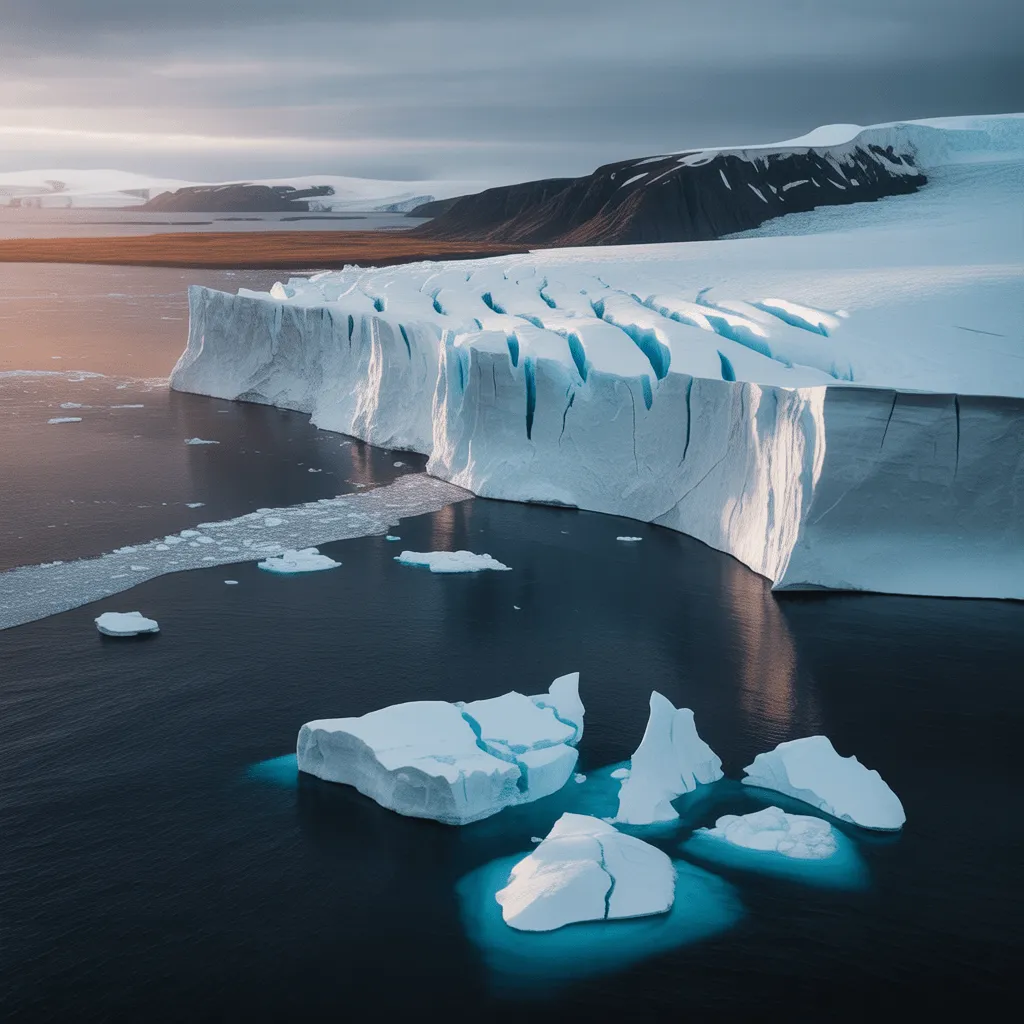
- Ice sheet collapse in Greenland and Antarctica → unstoppable sea-level rise.
- Amazon rainforest dieback → turning a carbon sink into a carbon source.
- Permafrost thaw → releasing methane, a super-potent greenhouse gas.
- Coral reef death → collapse of marine ecosystems and fisheries.
If triggered, these tipping points could speed up warming and make survival much harder.
Who Will Be Hit the Hardest?
Climate change is unfair. The people who contribute least to the problem often suffer the most. Vulnerable groups include:
- Poor nations with weak infrastructure.
- Small island countries are facing sea-level rise.
- Children, the elderly, and those with health conditions.
- Farmers and workers are exposed to extreme weather.
This creates climate injustice — a moral challenge as well as an environmental one.
Can We Change the Outcome?
Yes. The future isn’t set in stone. Climate change is driven by human actions, which means human solutions can change the timeline.
Steps to reduce deaths:
- Rapidly cut fossil fuel use and shift to renewable energy.
- Protect and restore forests to absorb CO₂.
- Invest in sustainable agriculture and drought-resistant crops.
- Strengthen disaster preparedness and climate adaptation.
- Provide climate finance to poorer nations to protect vulnerable populations.
The sooner we act, the more lives we save. Otherwise, we are under the fear of the question: “When will climate change kill us?”
Psychological Impact: The Fear Factor
Many people feel anxious asking, “When will climate change kill us?” This is called eco-anxiety — fear about the planet’s future. While it’s valid, experts suggest turning fear into action. Even small changes (voting, reducing waste, supporting clean energy) contribute to a larger movement.
Conclusion
So, when will climate change kill us? The truth is, it already does — but how deadly it becomes depends on us. If we act now, we can limit deaths, protect vulnerable communities, and create a safer world.
Climate change isn’t just about the end of humanity. It’s about the choices we make today that shape whether future generations thrive or struggle to survive.
The clock is ticking, but it hasn’t run out yet. Otherwise, we are under the fear of the question: “When will climate change kill us?”
FAQs About Climate Change and Survival
1. Is climate change already killing people?
Yes. Heatwaves, floods, storms, and hunger linked to climate change are already causing deaths worldwide.
2. Could climate change wipe out humanity completely?
It’s unlikely to cause human extinction soon, but unchecked warming could make parts of the Earth uninhabitable and destabilize societies.
3. Which year will climate change become irreversible?
Scientists say if emissions don’t peak by 2030, staying below 1.5°C will be impossible, increasing deadly risks.
4. Who is most at risk from climate change?
Poor countries, coastal populations, and vulnerable groups like the elderly, children, and farmers are most at risk.
5. Can we still prevent the worst outcomes?
Yes. By cutting emissions, protecting ecosystems, and adapting to changes, we can save millions of lives and avoid catastrophic scenarios.