Instructional Technology: Transformative Skills, Exciting Careers, and Future-Defining Trends
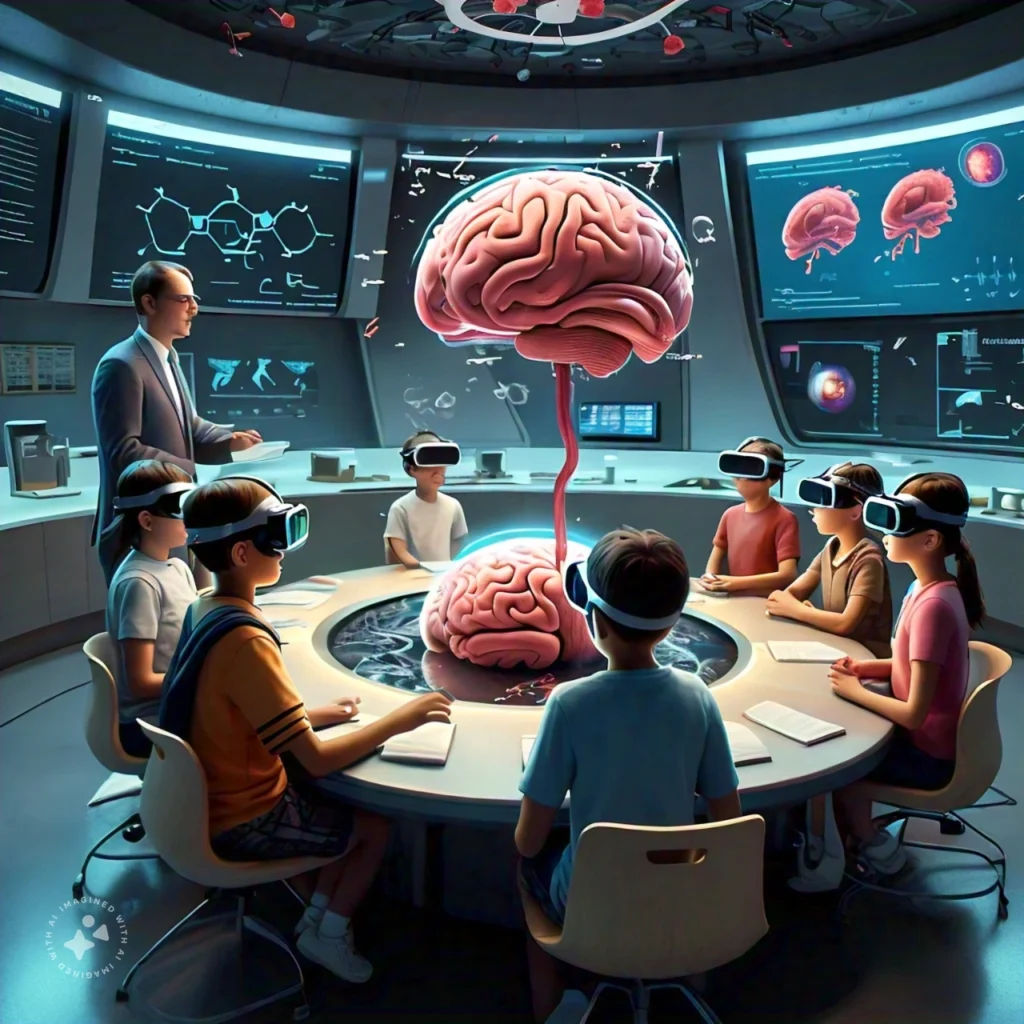
image showing Instructional Technology Pioneering Tomorrows Education
A Master’s degree in Instructional Technology gives learners the expertise to effectively leverage technology in educational settings. This advanced program combines theoretical knowledge with hands-on experience, preparing graduates to take on leadership roles within the dynamic education sector.
Key Skills Developed
Students enrolled in a Master’s program for Instructional Technology typically cultivate essential skills in:
- Instructional Design: Crafting impactful learning experiences through technological tools.
- Integration of Educational Technology: Effectively embedding technology into classroom or training environments.
- Learning Theories: Grasping how individuals learn and applying this understanding to tech-enhanced teaching methods.
- Media Creation and Development: Developing and designing various digital educational materials.
- Assessment and Evaluation: Evaluating the effectiveness of technology on student learning outcomes.
- Technology Leadership: Promoting and executing technological initiatives within educational institutions.
Career Opportunities
Graduates holding a Master’s in Instructional Technology are equipped with a diverse range of skills that open up numerous career paths, including:
- Instructional Designer: Developing engaging online and hybrid courses.
- Educational Technologist: Offering technical assistance and training for educators.
- Technology Coordinator: Managing technology integration across schools or districts.
- E-Learning Developer: Creating interactive multimedia learning experiences.
- Learning Experience Designer (LXD): Designing comprehensive learning pathways for students.
- Technology Integration Specialist: Aiding teachers in the effective use of technology during lessons.
Challenges and Considerations
While the field of Instructional Technology offers numerous opportunities, it’s important to consider potential challenges:
- Rapid Technological Advancements: The pace of technological change can be overwhelming. Staying current with the latest tools and trends requires ongoing learning and professional development.
- Budget Constraints: Not all educational institutions have the budget to implement cutting-edge technology. As a technology leader, you may need to find creative ways to work within financial limitations.
- Resistance to Change: Introducing new technology can be met with resistance from educators who are accustomed to traditional methods. Developing strong communication and change management skills is essential.
Real-World Applications and Case Studies
To fully grasp the value of a Master’s degree in Instructional Technology, it’s helpful to look at real-world applications. For example, instructional technologists have played crucial roles in transitioning schools to online learning during the COVID-19 pandemic. By designing user-friendly online platforms and providing training to educators, they ensured that education continued despite the challenges.
Another case study involves the use of virtual reality (VR) in classrooms. Schools that have integrated VR have seen significant improvements in student engagement and understanding, particularly in subjects like history and science. As an instructional technologist, you could be at the forefront of implementing such innovative solutions.
The Future Landscape of Instructional Technology
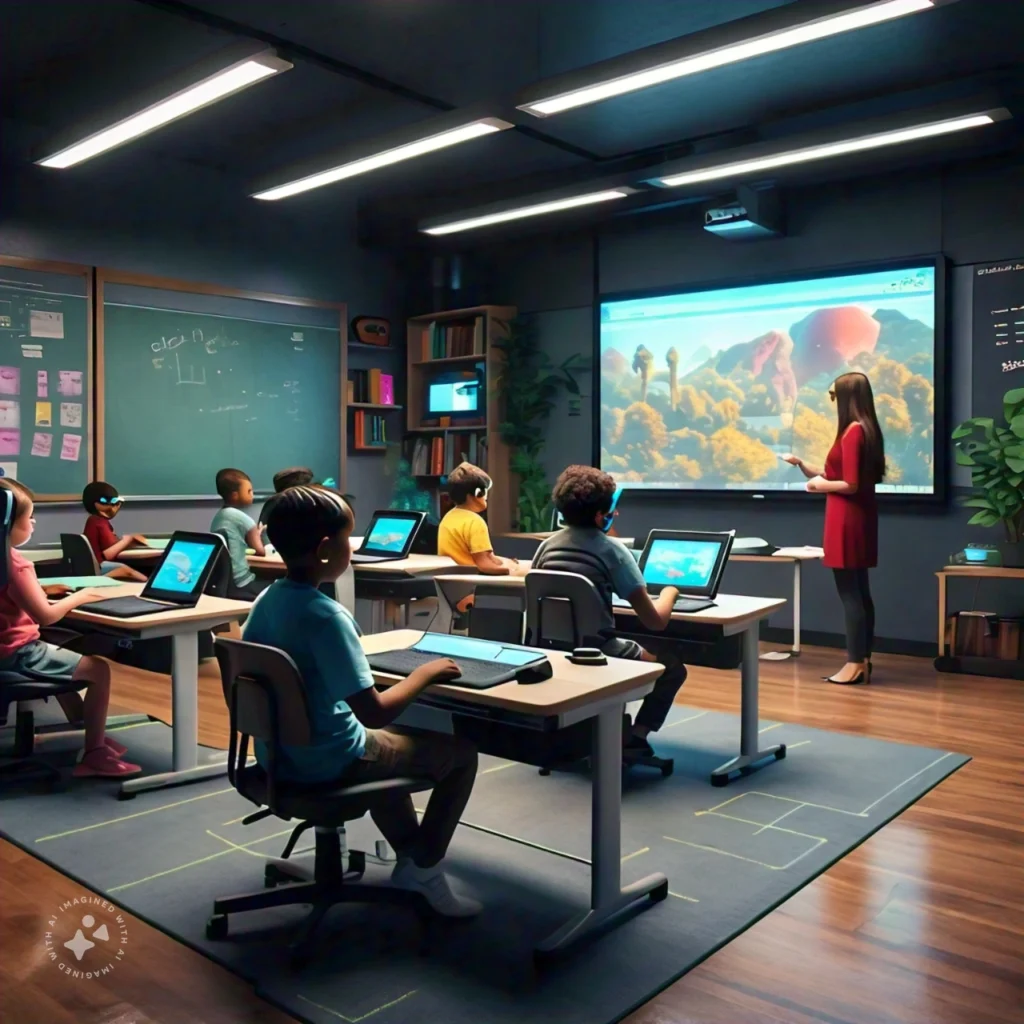
The realm of instructional technology is continually advancing, influenced by innovations such as artificial intelligence, virtual reality, augmented reality, and personalized education. Many Master’s programs now incorporate these cutting-edge trends, equipping graduates to lead educational advancements. As technology becomes more embedded in everyday life, the need for proficient instructional technologists is anticipated to rise. By earning a Master’s degree in this field, individuals can establish themselves as key players in shaping the future direction of education.
Conclusion
A Master’s degree in Instructional Technology offers a comprehensive education that prepares you to be a leader in the integration of technology in education. By developing essential skills, exploring diverse career paths, and understanding the challenges and opportunities in the field, you can make a significant impact on the future of education.
Whether you’re drawn to the creativity of instructional design or the strategic role of a technology coordinator, this degree offers a wide array of opportunities to make a difference. As you consider pursuing this path, weigh the benefits against the challenges to ensure it aligns with your career goals and aspirations.



1 thought on “Instructional Technology: Transformative Skills, Exciting Careers, and Future-Defining Trends”