How Does Climate Change Affect the Environment? Key Impacts Explained
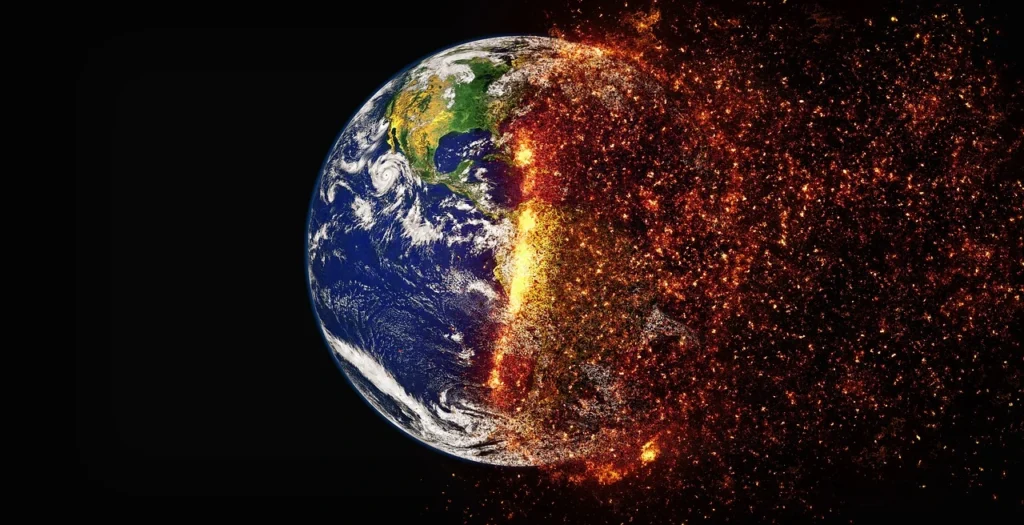
Climate change is no longer just a scientific theory; it’s a lived reality. From record-breaking heatwaves to stronger storms, its effects on the environment are becoming harder to ignore. But what exactly does climate change do to the environment?
How Does Climate Change Affect the Environment? In simple terms, climate change disrupts the natural balance of Earth’s systems: air, water, soil, and ecosystems. The result? Rising seas, melting ice, damaged forests, shifting rainfall, and endangered wildlife. Let’s take a closer look.
1. Rising Temperatures and Heatwaves
How Does Climate Change Affect the Environment? The most direct effect of climate change is global warming. Since the late 1800s, the Earth has warmed by about 1.1°C.
Environmental impacts include:
- More frequent and intense heatwaves.
- Dried-up rivers and lakes.
- Stress on crops, forests, and wildlife.
- Increased risk of wildfires in dry regions like California, Australia, and the Mediterranean.
Hotter conditions affect not just humans but also the survival of entire ecosystems.
2. Melting Ice and Rising Seas
Warming temperatures are melting glaciers and polar ice caps at unprecedented rates.
- Arctic sea ice is shrinking rapidly, threatening polar bears, seals, and local communities.
- The Greenland and Antarctic ice sheets are losing billions of tons of ice each year.
- Sea levels have already risen by more than 20 cm (8 inches) since 1900.
How Does Climate Change Affect the Environment?
Environmental impact: Coastal habitats like mangroves, wetlands, and coral reefs are drowning, while low-lying islands and cities face the risk of being submerged.
3. Extreme Weather Events
How Does Climate Change Affect the Environment? Climate change fuels extreme weather by adding more heat and moisture to the atmosphere.
- Stronger hurricanes and cyclones destroy coastlines.
- Severe floods wash away fertile soil and ecosystems.
- Droughts turn farmland into deserts.
- Storm surges damage wetlands and saltwater habitats.
These events not only kill plants and animals but also disrupt entire ecosystems that take centuries to recover.
4. Ocean Changes: Warming and Acidification
The ocean acts as Earth’s largest heat sink, absorbing about 90% of excess heat caused by global warming.
Impacts on the environment:
- Warmer waters bleach coral reefs, home to one-quarter of all marine species.
- Acidification, caused by excess CO₂ dissolving in seawater, weakens the shells of crabs, oysters, and other marine life.
- Fish migration patterns shift, disrupting food chains and coastal livelihoods.
If current trends continue, many coral reef ecosystems could collapse within decades.
5. Loss of Biodiversity
How Does Climate Change Affect the Environment? Climate change is one of the biggest threats to global biodiversity.
- Species that can’t adapt to rapid warming face extinction.
- Habitat loss due to rising seas, deforestation, and desertification worsens the crisis.
- Migratory animals like birds and whales are thrown off course as seasons shift.
According to the IPBES, about 1 million species are at risk of extinction — many within this century.
6. Soil Degradation and Agriculture
How Does Climate Change Affect the Environment? Heat, droughts, and heavy rainfall all degrade soil health.
- Droughts dry out soil, leading to desertification.
- Floods wash away topsoil, which is essential for crops.
- Unpredictable rainfall damages farming cycles, threatening food security.
This environmental damage not only affects agriculture but also forests and grasslands that depend on healthy soils.
7. Forests Under Stress
How Does Climate Change Affect the Environment? Forests are critical for absorbing CO₂, but climate change weakens them:
- Wildfires burn millions of acres of trees each year.
- Insect outbreaks (like bark beetles in North America) thrive in warmer climates, killing forests.
- Droughts weaken trees, making them more vulnerable to disease.
When forests die, they release stored carbon, worsening climate change — a dangerous feedback loop.
8. Freshwater Systems in Crisis
Rivers, lakes, and glaciers are shrinking. Climate change disrupts freshwater availability by:
- Reducing snowpack in mountain regions.
- Causing rivers to dry up in drought-prone areas.
- Polluting freshwater ecosystems with saltwater intrusion from rising seas.
This endangers both ecosystems and communities that rely on freshwater.
9. Environmental Feedback Loops
How Does Climate Change Affect the Environment? One of the scariest impacts of climate change is the feedback loop:
- Melting ice reduces Earth’s reflectivity, leading to more heat absorption.
- Thawing permafrost releases methane, a powerful greenhouse gas.
- Dying forests release carbon instead of absorbing it.
These loops speed up climate change, making environmental impacts worse.
Conclusion
So, how does climate change affect the environment? In almost every way imaginable. It raises temperatures, melts ice, floods coasts, damages oceans, destroys biodiversity, and degrades soil and forests.
The environment isn’t separate from us — it’s our life-support system. Protecting it means protecting ourselves. Climate change may be the biggest threat to nature, but it’s also a call to action for us to safeguard the only planet we call home.
FAQs About: How Does Climate Change Affect the Environment?
1. What is the biggest environmental impact of climate change?
The biggest impact is global warming, which drives rising seas, stronger storms, and biodiversity loss.
2. How does climate change affect animals?
Animals lose habitats, face food shortages, and are forced to migrate. Many species risk extinction.
3. Can ecosystems recover from climate change?
Some can adapt over time, but rapid warming makes recovery difficult. Coral reefs and polar ecosystems are especially at risk.
4. How does climate change affect forests?
Forests face more fires, droughts, and insect outbreaks. This weakens their ability to absorb carbon and accelerates climate change.
5. What can be done to protect the environment from climate change?
Cut greenhouse gas emissions, protect forests, switch to clean energy, and invest in conservation to strengthen ecosystems.


4 thoughts on “How Does Climate Change Affect the Environment? Key Impacts Explained”