How to Fix Climate Change: Real Solutions for a Safer Future
How to Fix Climate Change? Climate change is one of the greatest challenges humanity has ever faced. Rising seas, stronger storms, deadly heatwaves, and food shortages are already here. Many people ask: “Can we fix it?”
The short answer is: we can’t completely erase climate change, but we can mitigate much of the damage by reducing emissions, protecting nature, and adapting more effectively. The future isn’t set in stone — it depends on what we do right now.
How to Fix Climate Change?
Here are real solutions for how to Fix Climate Change.
1. Transition to Renewable Energy
How to Fix Climate Change:
Climate change is one of the most urgent challenges facing the world today. Rising global temperatures, extreme weather events, melting glaciers, and sea-level rise are all consequences of increased greenhouse gas emissions. A major solution to this problem is the global transition from fossil fuels to renewable energy. By shifting to cleaner energy sources such as solar, wind, and hydropower, countries can significantly reduce carbon emissions and slow down climate change. The most significant step in addressing climate change is replacing fossil fuels with clean energy sources.
- Solar and wind energy are now cheaper than coal and gas in most regions.
- Hydro and geothermal provide reliable, clean energy in many countries.
- Nuclear energy can support the transition in areas where it’s safe and accepted.
- Better batteries and storage make renewables more dependable.
Cutting fossil fuels is the single most effective way to lower global emissions.
How Renewable Energy Helps Reduce Climate Change
Transitioning to renewable energy directly addresses the root cause of climate change—excess greenhouse gas emissions.
1. Lower Carbon Emissions
Renewable energy technologies produce little or no carbon emissions during operation. For example, solar panels generate electricity without burning fuel. Replacing coal-based power plants with solar or wind farms can dramatically reduce a country’s carbon footprint.
2. Cleaner Air and Environment
Burning fossil fuels releases harmful pollutants that affect air quality and human health. Renewable energy reduces air pollution, which helps prevent respiratory diseases and environmental damage.
3. Sustainable Long-Term Energy Supply
Fossil fuels are finite resources that will eventually run out. Renewable energy sources such as sunlight and wind are virtually unlimited. Investing in renewable energy ensures a stable and sustainable energy supply for future generations.
4. Reduced Dependence on Fossil Fuels
Many countries rely heavily on imported fossil fuels. By developing local renewable energy resources, nations can improve energy security and reduce economic dependence on external energy supplies.
Renewable Energy and Economic Growth

Transitioning to renewable energy does not only help the environment—it also creates economic opportunities. The renewable energy sector is rapidly expanding and generating millions of jobs worldwide in areas such as manufacturing, installation, maintenance, and research.
Investing in renewable technologies can stimulate innovation and help countries build sustainable green economies.
Learn about how climate Change affects the Environment. Key Impacts Explained
2. Make Transportation Clean

Transportation is one of the largest sources of greenhouse gas emissions in the world to Fix Climate Change. Cars, trucks, airplanes, and ships mostly rely on fossil fuels such as gasoline and diesel. When these fuels burn, they release carbon dioxide (CO₂) and other pollutants that contribute to climate change and poor air quality. Making transportation cleaner is an essential step toward reducing emissions and protecting the environment.

Why Clean Transportation Matters
The transportation sector produces a significant share of global carbon emissions. Millions of vehicles on the road burn fuel every day, releasing harmful gases into the atmosphere. These emissions contribute to global warming, smog, and serious health problems such as respiratory diseases.
Clean transportation focuses on reducing these emissions by using low-carbon technologies, alternative fuels, and more efficient transportation systems.
Electric Vehicles as a Major Solution
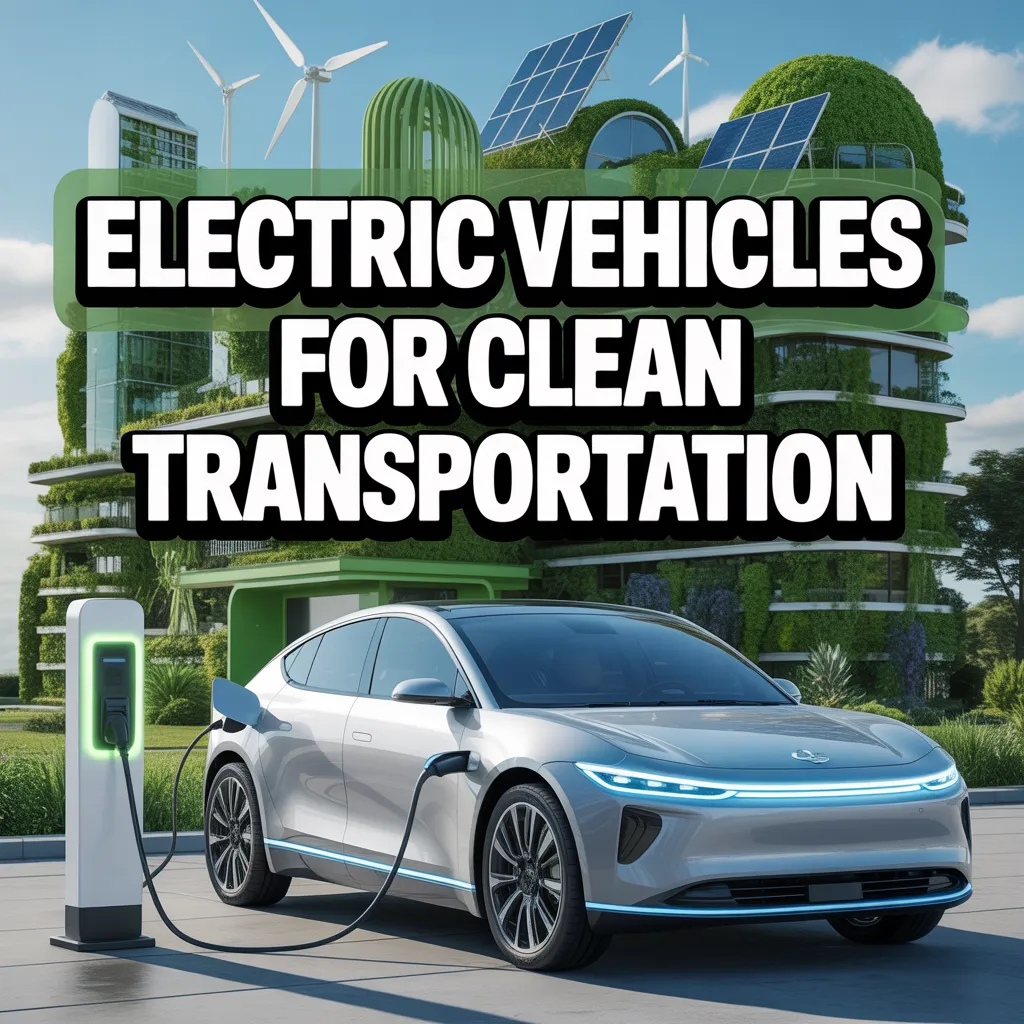
One of the most effective ways to clean transportation is by switching from gasoline-powered vehicles to electric vehicles (EVs). EVs run on electricity instead of fossil fuels, which means they produce no tailpipe emissions.
Electric cars, buses, and trucks are becoming more popular around the world because they:
- Reduce greenhouse gas emissions
- Lower air pollution in cities
- Require less maintenance than traditional vehicles
- Use energy more efficiently
When EVs are powered by renewable energy sources such as solar or wind, their environmental benefits become even greater.
Cars, trucks, planes, and ships produce nearly a quarter of global CO₂. Fixing this requires:
- Expanding electric vehicle (EV) adoption.
- Investing in public transport so people rely less on cars.
- Designing bike-friendly and walkable cities.
- Using biofuels, hydrogen, and synthetic fuels for aviation and shipping.
Cleaner transport doesn’t just cut emissions — it improves air quality and public health.
3. Protect and Restore Forests
Forests play a crucial role in protecting the planet from climate change. They act as natural carbon sinks, meaning they absorb carbon dioxide (CO₂) from the atmosphere and store it in trees, plants, and soil. Because carbon dioxide is one of the main greenhouse gases responsible for global warming, protecting and restoring forests is one of the most effective natural solutions for reducing climate change.
Forests are our natural defense against climate change.
- They absorb billions of tons of CO₂ each year.
- They regulate rainfall and protect biodiversity.
- They provide homes for wildlife and resources for people.
Fixing climate change means stopping deforestation, restoring degraded forests, and supporting indigenous communities who safeguard them.
Why Forests Are Important for the Climate
Forests cover about one-third of the Earth’s land surface and provide many environmental benefits. One of their most important roles is absorbing carbon dioxide during photosynthesis. Trees take in CO₂ from the air and store carbon in their trunks, branches, leaves, and roots.
Healthy forests help regulate the Earth’s climate by reducing the amount of greenhouse gases in the atmosphere. They also support biodiversity, protect soil, and regulate water cycles.
However, when forests are cut down or burned, the carbon stored in trees is released back into the atmosphere. This increases greenhouse gas emissions and contributes to global warming.
4. Rethink Food and Agriculture
Food production drives about 25% of emissions. Fixes include:
- Reducing reliance on red meat, especially beef.
- Encouraging plant-based diets and sustainable seafood.
- Supporting regenerative farming that restores soil and captures carbon.
- Cutting food waste, which currently wastes energy, water, and land.
Eating smarter helps both people and the planet.
5. Improve Waste Management
Trash doesn’t just sit there — landfills release methane, a super-powerful greenhouse gas. To fix this:
- Expand recycling and composting programs.
- Turn waste into biogas for clean energy.
- Ban or reduce single-use plastics.
A smarter waste system reduces emissions and keeps ecosystems clean.
6. Invest in Green Technology

Climate change is one of the most serious global challenges today. Rising temperatures, extreme weather events, melting ice caps, and sea-level rise are all linked to increasing greenhouse gas emissions. One of the most effective ways to address this problem is by investing in green technology. Green technology focuses on developing innovative solutions that reduce environmental damage while promoting sustainable economic growth.
Technology can accelerate climate fixes:
- Carbon capture and storage (CCS): capturing emissions from factories and storing them underground.
- Direct air capture (DAC): machines that pull CO₂ directly from the air.
- Smart grids: make energy use more efficient.
- Green hydrogen: a clean fuel for industries and transport.
These innovations won’t fix everything alone, but they’ll help fill the gaps.
Examples of green technology include:
- Renewable energy systems such as solar panels and wind turbines
- Energy-efficient appliances and buildings
- Electric vehicles and charging infrastructure
- Carbon capture and storage technologies
- Advanced recycling and waste management systems
How Green Technology Helps Reduce Climate Change
Investing in green technology plays a critical role in reducing greenhouse gas emissions and slowing global warming.
1. Reducing Carbon Emissions
Green technologies replace traditional systems that rely heavily on fossil fuels. For example, solar and wind energy generate electricity without burning coal or oil, which significantly reduces carbon dioxide emissions.
2. Improving Energy Efficiency
Many green technologies focus on using energy more efficiently. Energy-efficient buildings, smart grids, and modern appliances require less electricity to perform the same tasks. This reduces the overall demand for fossil-fuel-based power.
3. Supporting Sustainable Transportation
Green technology is transforming transportation through electric vehicles, hydrogen-powered vehicles, and improved public transportation systems. These innovations reduce emissions from one of the largest pollution sources in the world.
4. Managing Waste and Pollution
Advanced recycling systems, biodegradable materials, and waste-to-energy technologies help reduce landfill waste and environmental pollution. These innovations promote a circular economy where resources are reused rather than wasted.
Economic Benefits of Green Technology
Investing in green technology does not only protect the environment—it also strengthens the economy. The clean technology sector is growing rapidly and creating millions of jobs worldwide.
Green industries provide employment opportunities in fields such as engineering, manufacturing, construction, and research. Countries that invest in clean technologies can also become leaders in innovation and global sustainability.
In addition, energy-efficient technologies help businesses and households reduce long-term energy costs.
7. Strengthen Global Cooperation
How to Fix Climate Change? No country can fix climate change by itself. It’s a global problem requiring global solutions.
- The Paris Agreement set a framework, but stronger commitments are needed.
- Wealthier nations must fund adaptation and green energy in developing countries.
- International rules on carbon pricing and fossil fuel phase-outs are critical.
Working together is the only way to fix a problem that crosses every border.
8. Adapt to Changes We Can’t Avoid
Even with strong action, some climate impacts are already locked in. Fixing climate change also means adapting to protect lives.
- Building sea walls and flood barriers for coastal cities.
- Planting drought-resistant crops.
- Strengthening disaster response systems.
- Creating fair policies for climate refugees.
Adaptation ensures survival while mitigation ensures a safer future.
9. What You Can Do as an Individual
Big systemic change matters most, but individual choices count too. You can:
- Use renewable energy at home if available.
- Drive less, walk more, or switch to EVs.
- Eat more plant-based meals.
- Recycle and reduce waste.
- Support leaders and companies that take climate seriously.
When millions of people act, it pushes businesses and governments to act too.
Conclusion
So, How to Fix Climate Change? By tackling it from every angle: cutting fossil fuels, protecting forests, redesigning food systems, improving waste management, and cooperating globally.
It won’t be easy — but it’s possible. Every step we take today makes tomorrow safer. Fixing climate change is not just about preventing disaster. It’s about creating a cleaner, healthier, and fairer world for all.
FAQs About How to Fix Climate Change
1. Can climate change really be fixed?
We can’t erase it, but we can slow it down and prevent the worst impacts with strong action.
2. What’s the fastest way to fix climate change?
Cutting fossil fuel use and switching to renewable energy is the fastest and most effective step.
3. Do individual actions actually matter?
Yes. While governments and industries must lead, millions of small changes add up and influence policies and markets.
4. Can technology alone fix climate change?
No. Technology is part of the solution, but lifestyle changes, conservation, and political will are equally essential.
5. How long will it take to fix climate change?
It’s a long-term process. If emissions peak this decade and fall sharply, we can limit warming and avoid the worst impacts by mid-century.