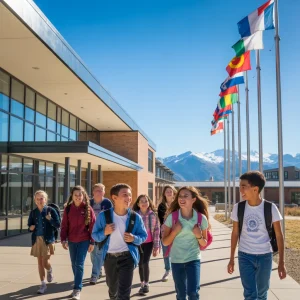
The Global Village in the Digital Age: From McLuhan’s Vision to Today’s Connected World

In a remarkably short span of human history, the world has grown dramatically smaller—not because the planet itself has changed, but because the speed and reach of communication, transportation, and technology have transformed how people interact in Global Village 2026.
Journeys that once took months can now be completed in hours. News that previously traveled slowly through letters or newspapers now circulates across the globe in seconds. A financial crisis in one region can shake markets worldwide, while a political conflict in one country can influence diplomacy and security across continents.
This unprecedented level of interconnectedness is often described through the idea of the “global village.” The concept captures a world where geographical distances matter far less than before and where societies are increasingly linked through communication networks, economic systems, and shared global challenges. You can read mor about Why World Become Global Village
But how did humanity reach this point? And what does the global village mean in today’s rapidly evolving digital era?
Origins of the Global Village Concept
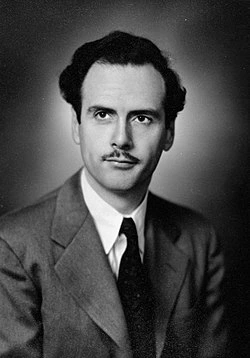
The phrase “global village” was introduced in the 1960s by Canadian media scholar Marshall McLuhan, one of the most influential thinkers in communication theory.
McLuhan argued that electronic media—such as radio and television—would fundamentally reshape human perception of the world. By enabling instant communication across great distances, these technologies would make distant societies feel closer and more interconnected, much like the social environment of a small village.
In a traditional village, information spreads quickly because everyone is connected through social interaction. McLuhan believed electronic media would create a similar dynamic on a planetary scale, making the entire world socially and culturally interconnected.
Although McLuhan could not foresee the modern internet or smartphones, his insight about media compressing time and space proved remarkably accurate.
McLuhan’s Four Ages of Communication
To explain how communication technology shapes societies, McLuhan divided human history into four broad stages.
1. Acoustic Age
The earliest period of human communication relied almost entirely on oral traditions. Knowledge and culture were passed through storytelling, memory, and spoken language because writing systems did not yet exist.
2. Literary Age
With the development of writing systems and alphabets, information could be preserved and transmitted beyond immediate conversations. Literacy expanded human capacity to store knowledge and build complex societies.
3. Print Age
The invention of the printing press revolutionized communication by enabling mass production of books and newspapers. This period encouraged widespread literacy, intellectual exchange, and eventually political revolutions.
4. Electronic Age
The emergence of telegraphy, radio, television, and telephones introduced the era of instant communication. Information could now travel faster than people, connecting distant communities in real time.
Today’s digital technologies represent an extension of McLuhan’s electronic age, pushing global communication further than he could have imagined.


From Slow Messages to Instant Connectivity
For most of human history, communication moved at the speed of transportation. Messages traveled by horseback, ships, or runners, often taking weeks or months to reach their destination.
Technological advances gradually accelerated this process:
- Telegraphs allowed messages to travel across continents within minutes.
- Radio and television enabled mass communication across nations simultaneously.
- Satellite networks and the internet now allow real-time interaction across the globe.
Today, video calls, instant messaging, and social media enable people on different continents to communicate as easily as neighbors. This transformation has effectively removed many of the barriers that once separated societies.
The Digital Revolution and the Expansion of the Global Village

The rapid growth of digital technology has significantly strengthened the idea of a global village.
1. The Internet: A Global Information Network
The internet has become the central infrastructure of modern communication. By 2025, more than 5.5 billion people—around two-thirds of the world’s population—were using the internet.
The internet functions as far more than a communication platform. It serves as:
- a marketplace for global commerce
- a hub for education and research
- a social space for cultural exchange
- a political arena for public debate
Despite this expansion, a significant digital divide still exists. Roughly 2.5–2.6 billion people remain offline, particularly in rural and lower-income regions.

2. Telecommunications and Global Data Networks
Modern communication depends on vast technological infrastructure. Thousands of kilometers of undersea fiber-optic cables connect continents and carry the majority of global internet traffic.
Satellite systems and high-speed wireless networks also support global connectivity, enabling services such as video conferencing, cloud computing, and online collaboration.
These technologies allow businesses, governments, and individuals to interact across borders almost instantly.
3. Mobile Technology and Social Media

Mobile devices have become the primary gateway to the internet. Most online users now access digital services through smartphones, and mobile traffic accounts for the majority of global web usage.
Social media platforms—including Facebook, Instagram, TikTok, WhatsApp, and others—function as global public forums where billions of people share information, opinions, and culture.
These platforms make it possible for individuals to reach audiences across the world, strengthening cross-cultural visibility and interaction.
Forces Beyond Technology
Technology alone does not create a global village. Several broader forces have intensified global interconnectedness.
Economic Interdependence
Global trade networks and multinational corporations have integrated national economies. A single product may involve raw materials from one country, manufacturing in another, and consumers in many others.
This interdependence means economic disruptions in one region can have worldwide consequences.
Cultural Exchange
Global media, entertainment, and travel have accelerated cultural interaction. Films, music, cuisine, fashion, and literature regularly cross borders, influencing societies far from their place of origin.
Streaming platforms and social media have further accelerated this exchange, exposing people to diverse traditions and lifestyles.
Shared Global Challenges
Certain challenges cannot be confined within national borders. Issues such as climate change, pandemics, migration, and cybercrime require international cooperation.
The COVID-19 pandemic demonstrated how quickly global crises can spread and how interconnected public health systems have become.
Benefits and Challenges of the Global Village
The growing interconnectedness of the world brings both opportunities and difficulties.
Advantages
- Instant global communication
- Rapid access to knowledge and information
- Expansion of international markets and job opportunities
- Increased cultural understanding and exchange
- Greater scientific collaboration
- Faster humanitarian response to disasters
Challenges
- Digital divide: Unequal access to technology between regions
- Privacy concerns: Governments and corporations collecting large amounts of data
- Cybersecurity threats: Hacking, misinformation, and digital warfare
- Cultural homogenization: Smaller cultures may be overshadowed by dominant global media
- Economic inequality: Benefits of globalization are unevenly distributed
- Geopolitical tensions: Trade disputes and strategic competition between major powers
These challenges highlight that the global village is not simply a technological achievement—it is also a complex political and social reality.
New Developments in the Global Village 2026
In recent years, globalization has entered a more complicated phase.
Some governments are reconsidering economic dependence on foreign supply chains and promoting strategies such as “friend-shoring,” where production is shifted toward politically allied countries.
At the same time, geopolitical tensions and trade disputes have reshaped global economic relationships. Yet despite these pressures, global trade and digital communication remain deeply interconnected.
Research also suggests that exposure to global communication networks can strengthen a sense of shared human identity. When people recognize their biological and environmental interconnectedness, they may become more willing to cooperate on global challenges such as climate change.
Global Institutions and International Cooperation
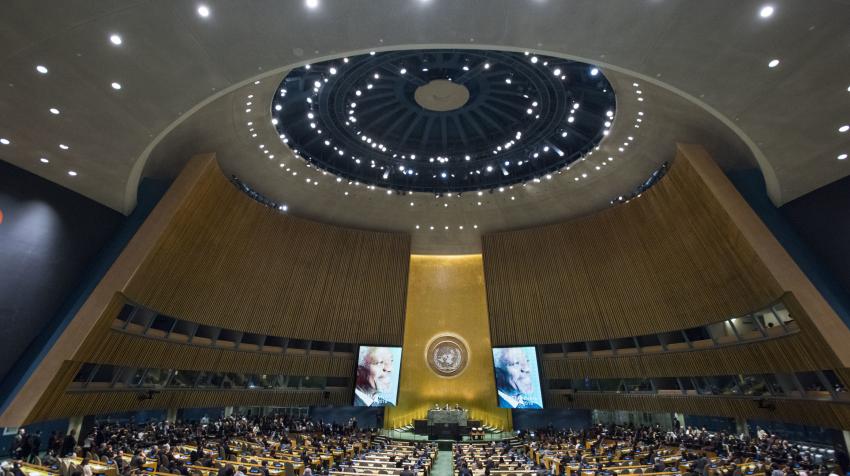
International institutions play a crucial role in managing the complexities of the global village.
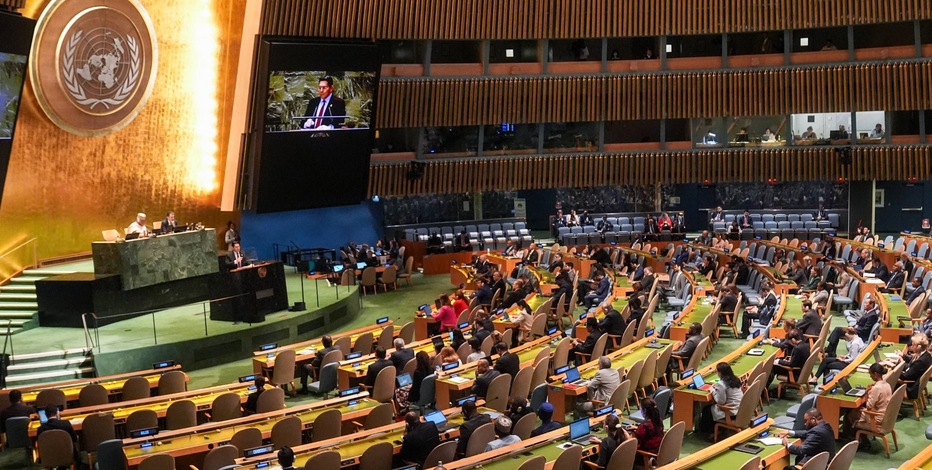
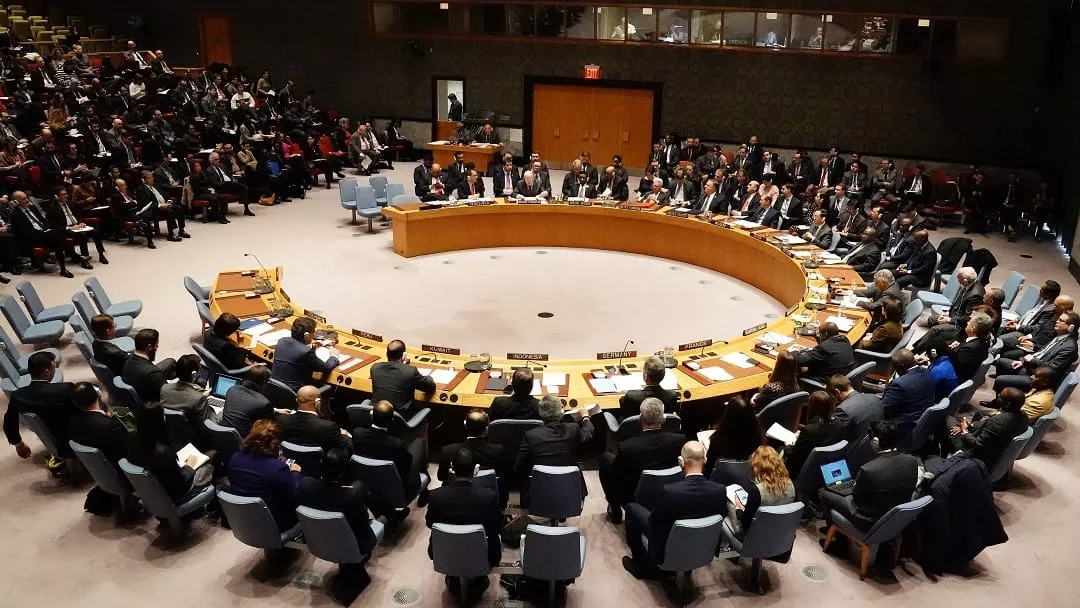
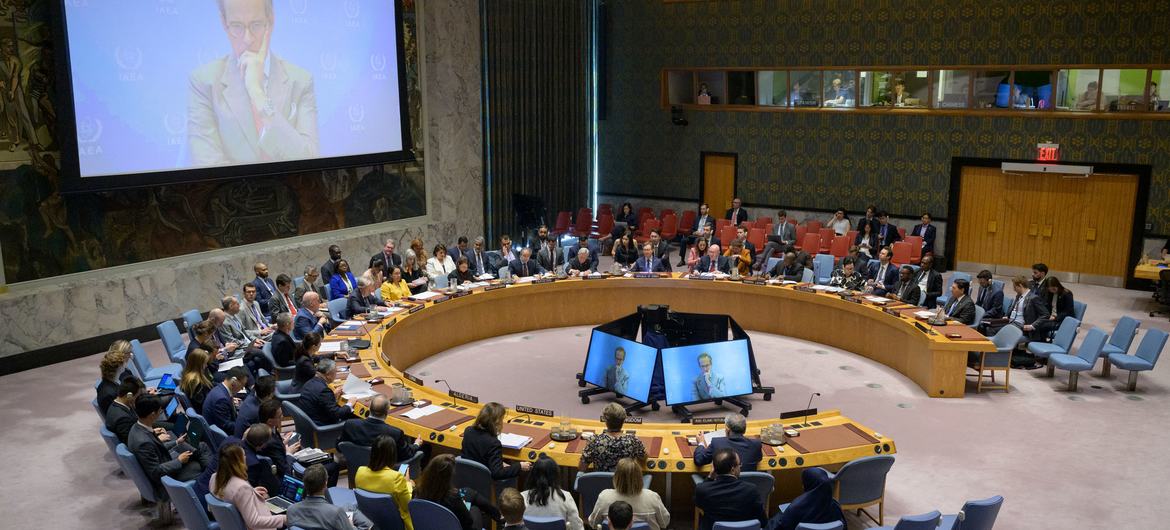
Organizations such as the United Nations provide platforms where countries discuss issues ranging from security and economic development to environmental protection.
Today, the United Nations includes 193 member states, making it one of the most inclusive international organizations in the world. Through treaties, peacekeeping missions, and development programs, it seeks to address global challenges collectively.
Regional organizations also contribute to international cooperation. Groups such as the European Union, ASEAN, and other regional alliances demonstrate how countries collaborate to pursue shared economic and political goals.
Similarly, organizations representing specific cultural or religious communities also operate within the global system, illustrating how different identities coexist within the broader framework of globalization.
Globalization and the Idea of Living Together

Globalization reflects the integration of economic, political, cultural, and technological systems across the world. Multinational companies, international institutions, and digital communication networks all demonstrate how societies are becoming increasingly interconnected.
At the same time, globalization raises important questions about identity, sovereignty, and equality. While many nations benefit from global integration, others worry about cultural loss, economic vulnerability, or political dependence.
Balancing cooperation with national interests remains one of the central challenges of the modern global village.
The Future of the Global Village

The global village is not a finished project. It continues to evolve as technology, politics, and society change.
Artificial intelligence, advanced telecommunications, and emerging digital environments may further strengthen global connectivity in the coming decades. At the same time, rising nationalism, economic competition, and geopolitical conflicts could slow or reshape the process of globalization.
Ultimately, the future of the global village will depend less on technological innovation and more on how humanity chooses to use these tools.
If societies prioritize cooperation, inclusivity, and equitable access to technology, the global village could become a powerful framework for addressing shared challenges.
If divisions deepen, however, the same technologies that connect us may also amplify conflict and fragmentation.
The world has already become more interconnected than ever before. The next challenge is learning how to live together within this shared global community.