The Ultimate Guide to Emo Haircuts: Styles, Trends & Styling Tips for 2026

The emo haircut has transcended its underground origins to become a timeless expression of individuality, emotional depth, and artistic rebellion. What began in the mid-2000s as a subculture identifier has evolved into a versatile aesthetic that continues to influence mainstream fashion in 2026. Whether you’re drawn to the dramatic side-swept bangs that defined the MySpace era or prefer the softer, modern interpretations gaining popularity today, understanding the nuances of emo hairstyles can help you achieve a look that authentically represents your personality.
This comprehensive guide explores everything you need to know about emo haircuts—from classic variations to contemporary adaptations, styling techniques to color trends, and maintenance tips that keep your alternative look fresh and vibrant.
Understanding the Emo Aesthetic: More Than Just a Haircut
The term “emo” derives from “emotional hardcore,” a music genre that emerged from the Washington D.C. punk scene in the mid-1980s. However, the visual aesthetic we associate with emo culture today crystallized during the early 2000s, when bands like My Chemical Romance, Fall Out Boy, and Panic! At The Disco brought emotional expression to mainstream consciousness. The signature hairstyle—characterized by long, side-swept bangs covering one eye, layered cuts, and often dramatic black coloring—became synonymous with sensitivity, creativity, and non-conformity.
In 2026, the emo haircut has undergone significant transformation. While the emotional core remains, modern interpretations prioritize wearability, hair health, and personal adaptation. Today’s emo styles blend seamlessly with other alternative aesthetics, including scene, punk, goth, and indie influences, creating a rich tapestry of options for self-expression
.
Classic Emo Haircut Variations
The Side-Swept Signature

The quintessential emo haircut features heavy, asymmetrical bangs swept dramatically across the forehead, typically covering one eye completely. This style requires substantial length on top—usually reaching the jawline or below—with shorter, often razored layers underneath for texture and movement. The side-swept approach creates an air of mystery while framing the face in a uniquely flattering way.
To achieve this look, your stylist should establish a deep side part and cut the fringe at an angle, with the longest point reaching past the nose when pulled forward. The back and sides can vary from chin-length to shorter, depending on your preference for contrast. Regular trims every 4-6 weeks maintain the precise shape that defines this style.
The Layered Long Look
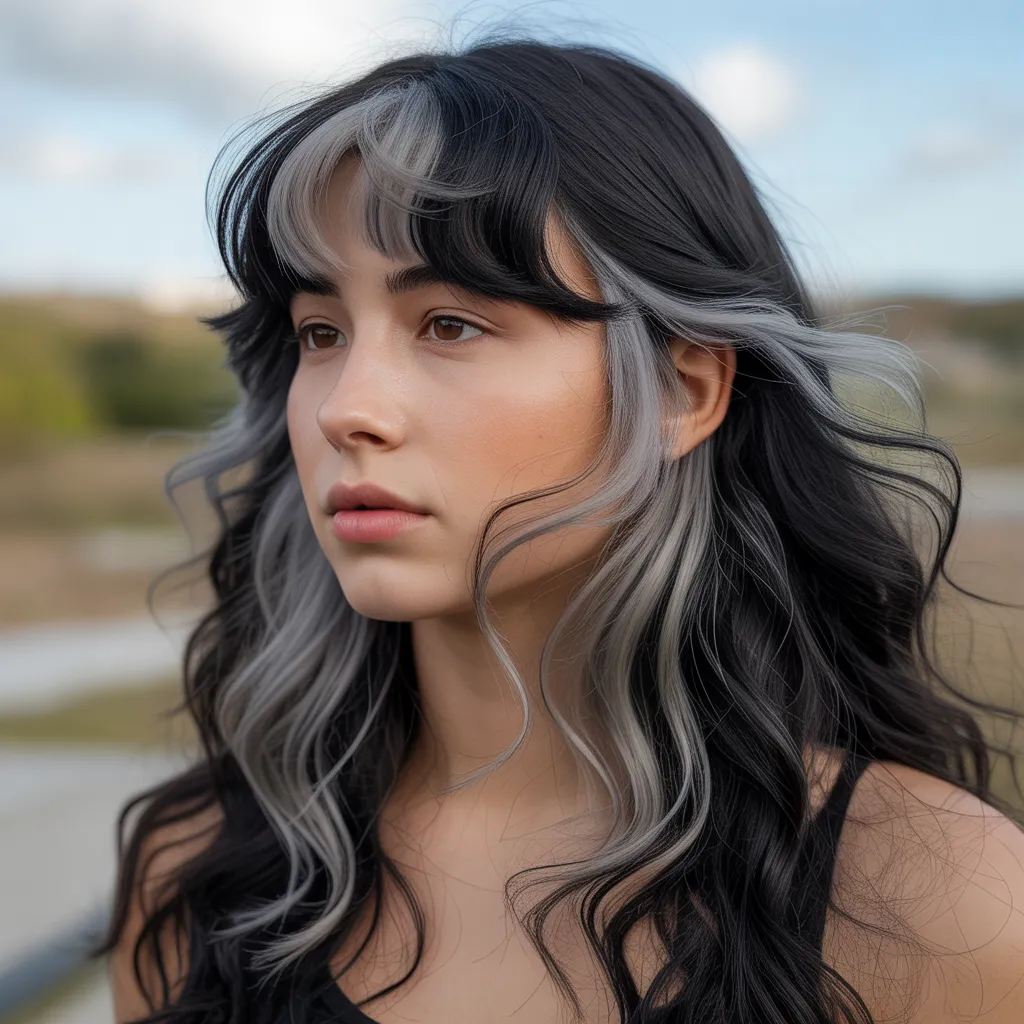
For those who prefer dramatic length, the long emo style maintains the signature bangs while allowing hair to flow past the shoulders. This variation works particularly well with naturally straight or wavy textures and provides ample canvas for creative color applications. Face-framing layers prevent the style from appearing heavy while maintaining the emotional, romantic aesthetic central to emo culture.
Modern interpretations of long emo hair incorporate softer layering methods than the harsh razoring of the 2000s. Blended layers create movement without sacrificing the density needed for voluminous styling. This approach suits individuals seeking the dramatic impact of long hair with the distinctive emo silhouette
The Emo Bob Revolution
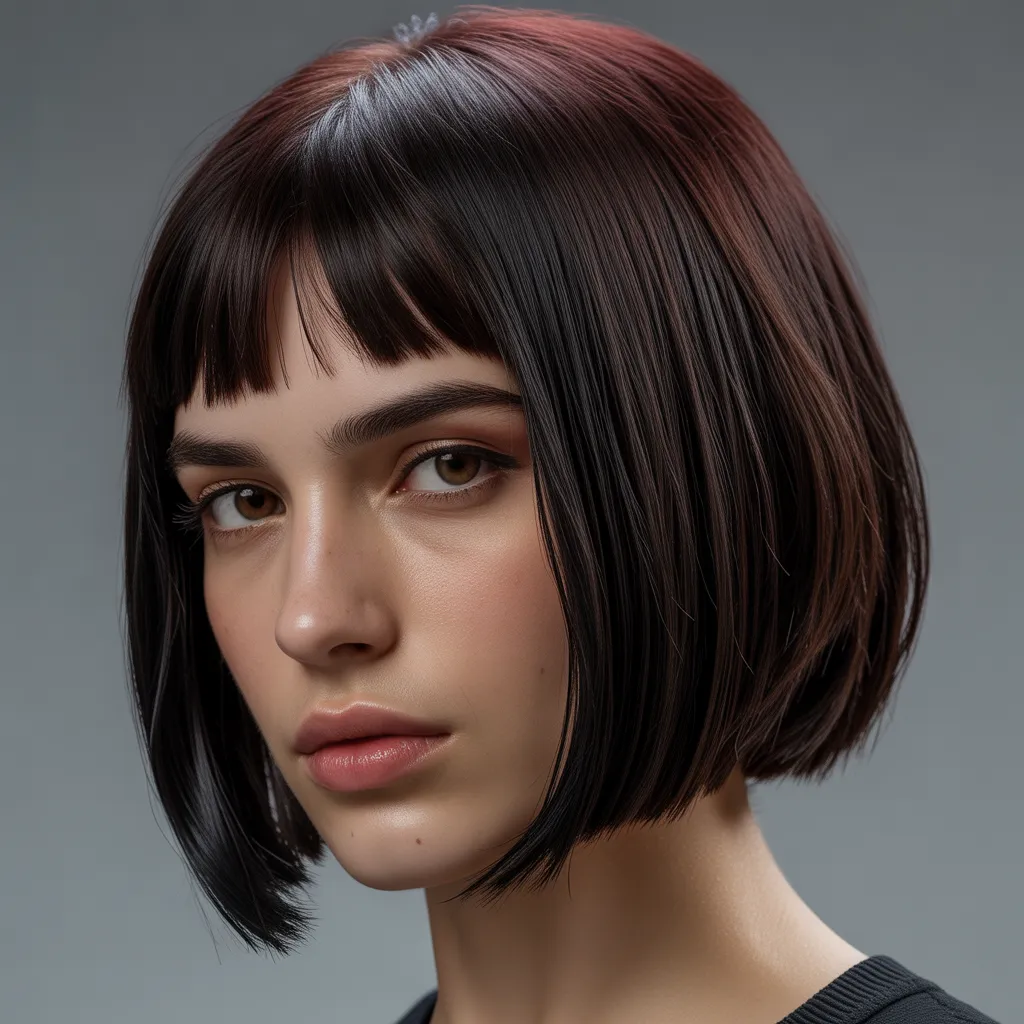
The emo bob represents a bold departure from traditional long styles while maintaining subcultural authenticity. Cut at chin length or slightly longer, this variation features the characteristic heavy bangs with a structured, often asymmetrical perimeter. The bob shape adds a contemporary edge to the classic emo aesthetic, making it suitable for professional environments while retaining alternative credibility.
Slanted bangs that tilt across the forehead distinguish the emo bob from conventional bob cuts. This angular approach creates visual interest and maintains the mysterious, partially-obscured-eye effect. Tapered ends prevent the style from appearing too blunt or conventional, preserving the edgy, unconventional spirit of emo fashion.
Modern Emo Haircut Trends for 2026
The Emo Wolf Cut

Perhaps the most significant evolution in alternative hairstyling, the wolf cut merges shag and mullet influences with emo sensibilities. This hybrid style features heavy layering throughout, with shorter, textured sections at the crown transitioning to longer lengths below. The result is a wild, voluminous silhouette that captures the emotional intensity of emo culture while embracing contemporary trends.
The modern emo wolf cut differs from its 2000s predecessors through softer texturizing techniques. Rather than harsh, choppy layers, stylists use point-cutting and slide-cutting methods to create movement without compromising hair health. Curtain bangs or blended fringe often replace the heavy side-swept approach, offering versatility in styling while maintaining the essential emo character
Textured Pixie Variations
Short emo hair has gained remarkable popularity, proving that dramatic expression doesn’t require lengthy locks. The emo pixie shares DNA with androgynous tomboy styles, featuring razor-cut texture, asymmetrical fringe, and often undercut sections for contrast. This bold choice suits individuals seeking low-maintenance alternatives without sacrificing stylistic impact.
Modern emo pixies incorporate feminine shaping that distinguishes them from masculine short cuts. Soft, piecey bangs and rounded crown sections balance the edginess of shaved sides or undercuts. Color blocking—such as platinum blonde with dark roots or vibrant underlayers—adds dimension and visual interest to these abbreviated styles.
The Shaggy Revival
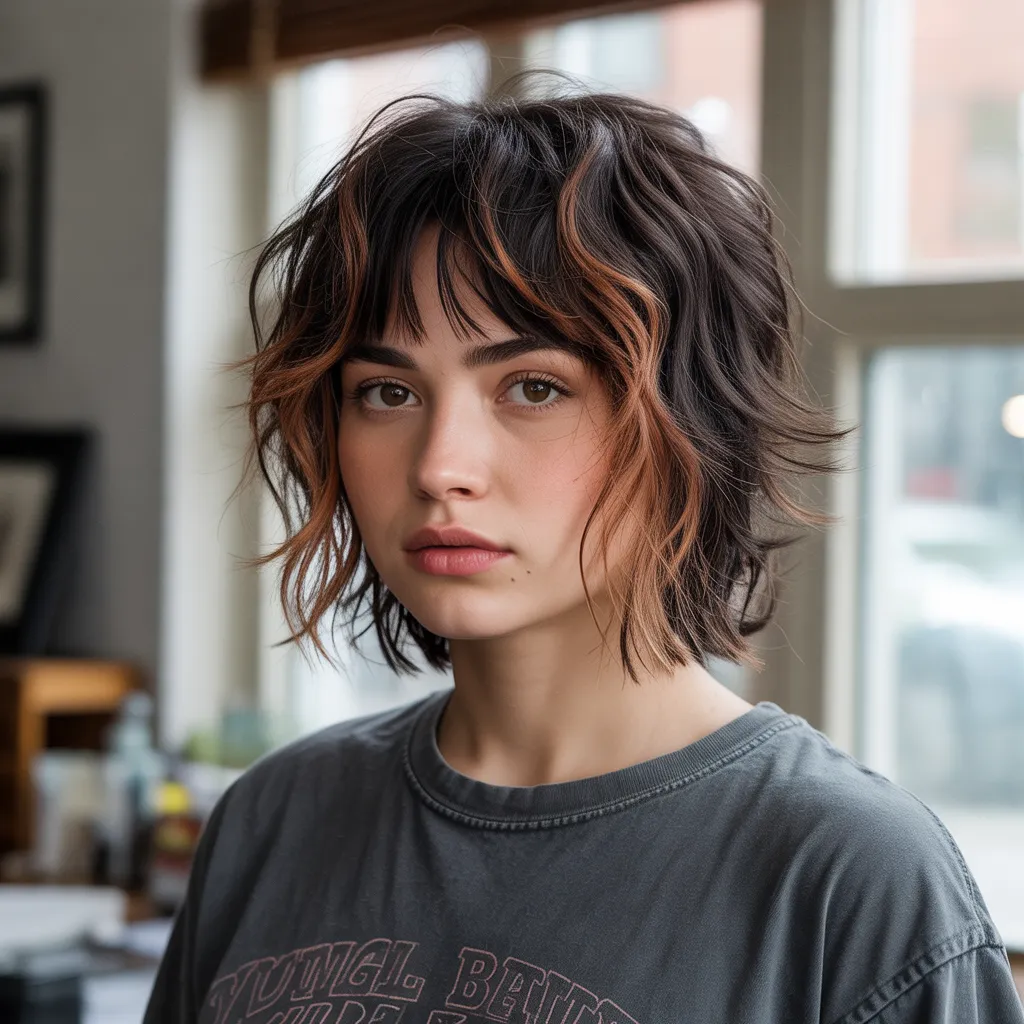
Embracing natural texture, the shag-influenced emo cut prioritizes movement and ease over rigid styling. This approach works beautifully with wavy or curly hair types often excluded from traditional emo styling guides. For detailed layering techniques that create this lived-in aesthetic, explore our guide to shag haircut variations that blend seamlessly with alternative aesthetics. Layered throughout with particular attention to face-framing sections, the shaggy emo cut offers a relaxed, lived-in aesthetic that resonates with 2026’s emphasis on authenticity.
The key to successful shaggy emo hair lies in balanced layering. Too much thinning creates a mullet effect, while insufficient layering results in unwanted bulk. Skilled stylists create internal layers that remove weight without disrupting the external shape, allowing natural texture to enhance rather than compete with the cut’s structure.
Color Trends and Techniques
Classic Black and Beyond
While jet black remains the quintessential emo hair color, modern practitioners explore nuanced variations that add depth and dimension. Soft black, charcoal, and deep espresso tones offer sophistication while maintaining the dark, moody aesthetic. These subtler blacks prove more flattering across skin tones and reduce the maintenance associated with harsh, blue-based black dyes.
For those committed to true black, incorporating subtle undertones prevents the flat, artificial appearance that can age or wash out complexions. Cool undertones suit pink or neutral skin, while warm undertones complement olive or golden complexions. Professional colorists can custom-mix black dyes to achieve these personalized results.
Strategic Color Placement
Modern emo hair color emphasizes intentionality over all-over saturation. Popular techniques include:
Peekaboo Highlights: Vibrant colors hidden beneath top layers, revealed only when hair moves or is styled up. This approach allows professional flexibility while maintaining alternative expression.
Color Blocking: Distinct sections of contrasting colors—such as black with platinum panels or deep purple with electric blue—create graphic, artistic effects. Unlike the streaky highlights of the 2000s, modern blocking uses clean, deliberate placement for maximum impact
.
Root Shadowing: Darker roots transitioning to lighter or brighter ends create depth while reducing maintenance. This technique works particularly well with unnatural colors like lavender, mint green, or pastel pink, as grown-out roots appear intentional rather than neglected.
Fantasy Color Integration
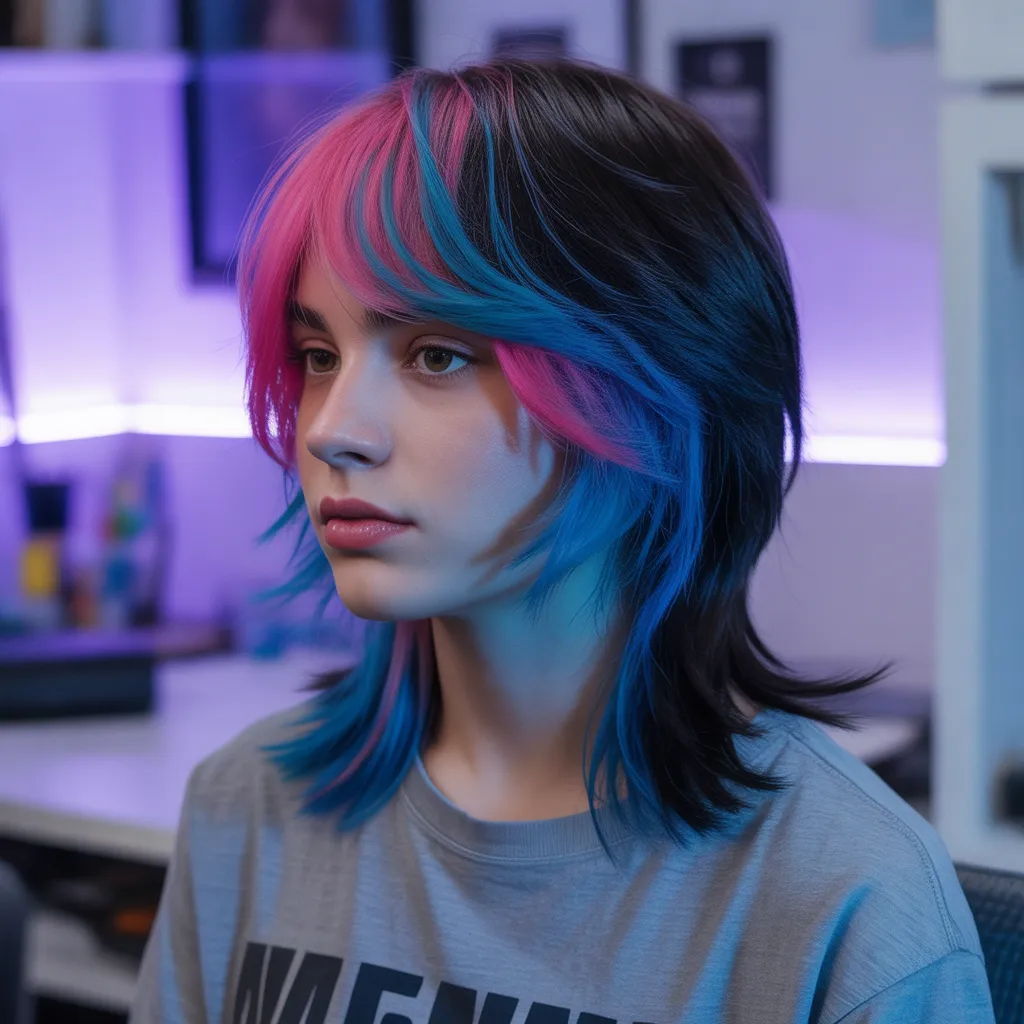
The boundary between emo and scene aesthetics blurs in contemporary color applications. Bright, saturated hues—electric blue, hot pink, lime green, and ultraviolet—appear in emo cuts with increasing frequency. The key distinction lies in application: emo styles typically incorporate these colors through strategic placement rather than all-over saturation, maintaining the dark, moody base that defines the aesthetic.
Pastel variations offer a softer approach to colorful expression. Lavender, rose gold, and baby blue create ethereal, dreamlike effects when paired with emo cuts. These lighter tones require pre-lightening, making professional application essential for hair health.
Styling Techniques and Daily Maintenance
Achieving Volume and Texture
The dramatic silhouettes characteristic of emo haircuts require strategic styling. For maximum volume at the crown, apply volumizing mousse to damp hair and blow-dry using a round brush, directing hair upward and backward. Focus heat on the roots while keeping ends relatively smooth to avoid unwanted frizz. For those with finer hair textures, specific volume-boosting techniques ensure your emo cut maintains its dramatic silhouette without appearing flat or lifeless.
Texturizing products—sea salt sprays, dry shampoos, and lightweight pomades—enhance the piecey, separated look central to emo aesthetics. Apply these products to dry hair, working through mid-lengths and ends while preserving the smoothness of top layers and bangs.
Managing Side-Swept Bangs
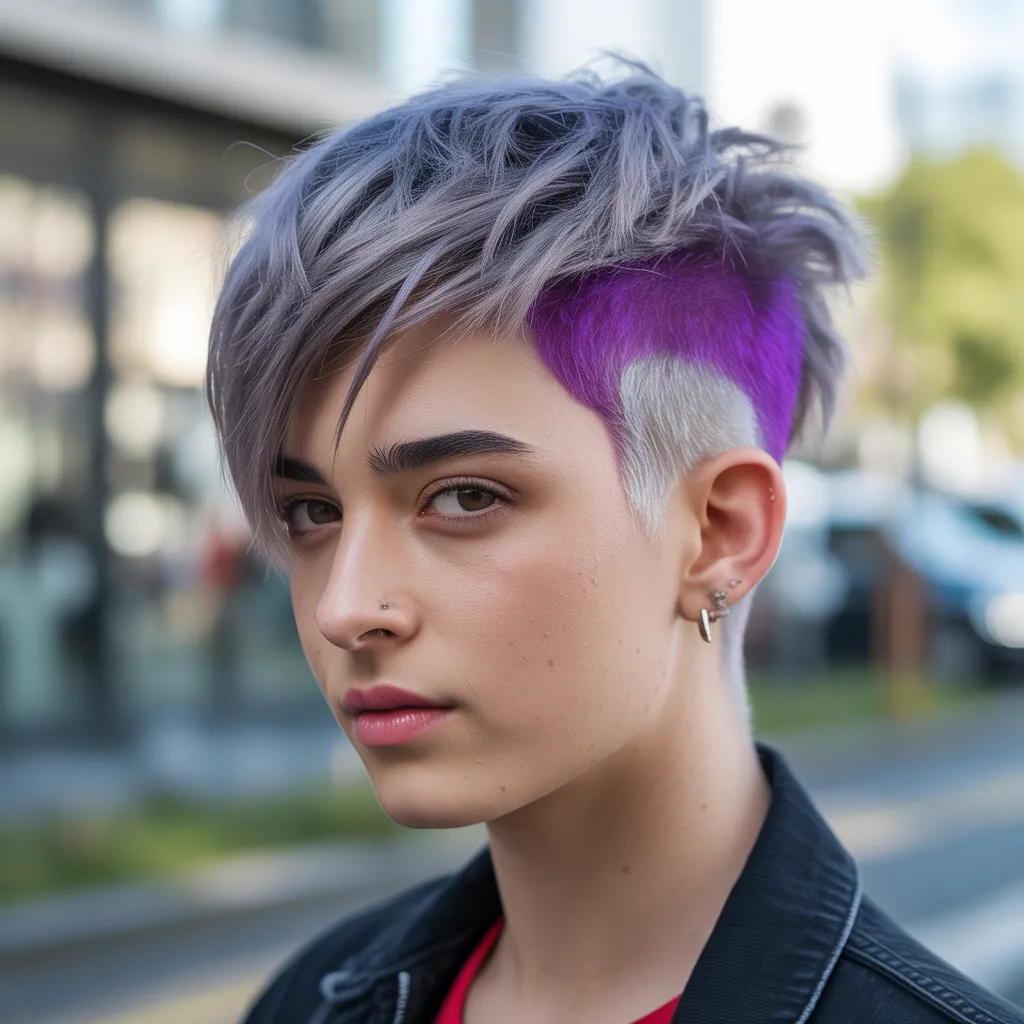
The signature emo fringe requires regular attention to maintain its distinctive sweep. Train bangs by blow-drying them in the desired direction while slightly damp, using a paddle brush to create tension. A light-hold hairspray sets the style without creating helmet-like rigidity.
For stubborn growth patterns or cowlicks, consider a keratin treatment or chemical relaxer specifically applied to the fringe area. These treatments reduce daily styling time while maintaining the ability to style hair in multiple directions.
Heat Protection and Hair Health
Frequent heat styling and chemical processing characteristic of emo hair maintenance can compromise hair integrity. Implement protective measures, including:
- Heat protectant sprays are applied before any hot tool usage
- Regular deep conditioning treatments, particularly for color-treated hair
- Protein treatments to strengthen hair compromised by bleaching
- Trimming every 6-8 weeks to remove split ends before they travel up the hair shaft
Face Shape Considerations
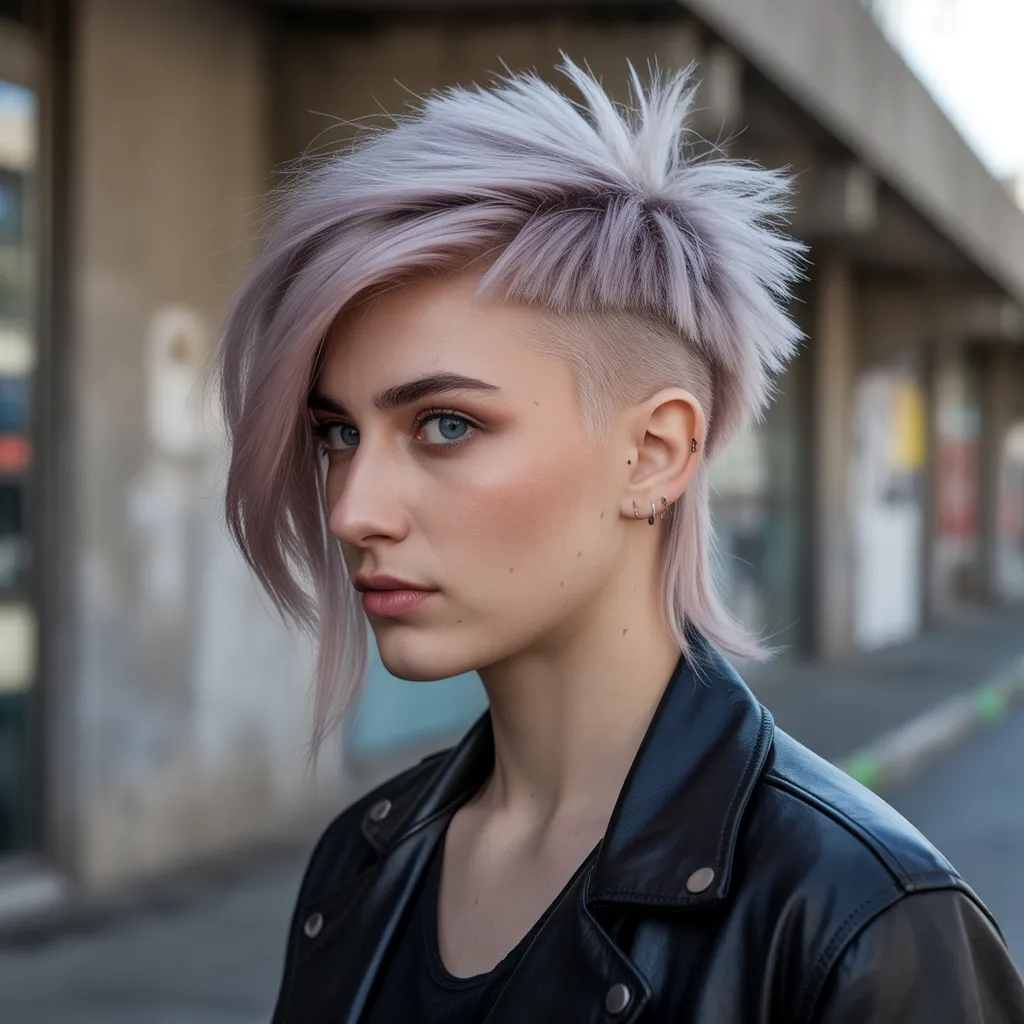
Oval and Heart-Shaped Faces
These versatile face shapes accommodate most emo variations. Heart-shaped faces benefit from chin-length or longer cuts that balance narrower jawlines, while oval faces can experiment with any length or layering pattern. Heavy bangs, in particular, flatter these shapes by emphasizing the cheekbones and eyes.
Round Faces
Angular emo cuts create a flattering contrast with round face shapes. Asymmetrical bangs, longer side sections, and height at the crown elongate the face visually. Avoid overly rounded perimeter shapes or uniform lengths that emphasize facial roundness.
Square Faces
Softening elements prove essential for square face shapes. Wispy, textured bangs replace blunt cuts, while layers around the face reduce angular appearance. Side-swept styles suit square faces in particular, as diagonal lines create softness against strong jawlines.
Long Faces
Volume at the sides rather than the top balances longer face shapes. Avoid excessive height at the crown or overly long, straight styles that elongate further. Chin-length bobs or shoulder-length cuts with width-creating layers prove most flattering.
Lifestyle Adaptations
Professional Environments
Modern workplace norms increasingly accommodate alternative aesthetics, but conservative settings may require modifications. Consider these adaptations:
- Subtle color choices: Deep burgundy, dark plum, or navy read as professional while maintaining an alternative character
- Controlled styling: Sleek, polished versions of emo cuts appear more conventional than messy, textured approaches
- Length variations: Shorter emo styles often face less scrutiny than dramatic long cuts in conservative fields
Active Lifestyles
Athletic individuals benefit from shorter emo variations or strategic styling that keeps hair secure during activity. Undercut sections reduce bulk and heat retention, while braids or twists accommodate the signature bangs during workouts.
Low-Maintenance Approaches
Not everyone has time for extensive daily styling. Wash-and-go emo options include:
- Textured crops that air-dry with natural volume
- Long layers that require minimal heat styling
- Balayage color techniques that grow out gracefully
- Curtain bangs that require less precise styling than heavy side-swept fringe
Seasonal Considerations
Summer Adaptations
Hot weather demands adjustments to typical emo styling. Lighter colors—both in clothing and hair—reflect heat and suit sunny moods while maintaining an alternative identity. Shorter undercut sections or cropped styles increase comfort without sacrificing style. UV-protectant hair products prevent color fading from sun exposure, particularly important for vibrant fantasy colors.
Winter Styling
Cold, dry weather challenges hair health, particularly for processed or color-treated emo styles. Increase conditioning treatments and consider protective styles like braids or beanies that complement rather than hide the cut. Darker, richer colors feel seasonally appropriate and require less bleaching than pastels or neons.
Cultural Significance and Self-Expression
The emo haircut transcends mere fashion, serving as a visual communication of internal experience. The partially obscured eye created by heavy bangs suggests introspection, mystery, or emotional depth. The dramatic contrast between light and dark, soft and spiky, feminine and masculine elements within a single style mirrors the complexity of human emotion.
In 2026, as mental health awareness increases and emotional expression gains cultural validation, the emo aesthetic feels increasingly relevant rather than dated. Modern practitioners embrace the style’s core values—authenticity, sensitivity, creativity—while rejecting the stigma that once accompanied emotional openness.
The evolution from 2000s emo to 2026 interpretations reflects broader cultural shifts toward inclusivity and self-acceptance. Where early emo culture sometimes felt exclusive or judgmental, contemporary expressions welcome diversity in body type, ethnicity, gender identity, and personal style interpretation. The haircut becomes one element of a larger mosaic of self-expression rather than a rigid, uniform
.
Finding the Right Stylist
Achieving your ideal emo haircut requires finding a stylist who understands alternative aesthetics. When consulting with potential stylists:
Review portfolios specifically for alternative cuts, not just general hairdressing skills. Look for precision in asymmetrical cuts, understanding of layering techniques, and experience with vibrant color applications.
Communicate clearly using specific terminology. Reference photos help, but explaining the emotional quality you want—mysterious, romantic, edgy, soft—guides the stylist’s approach.
Discuss maintenance honestly. If you cannot commit to frequent trims or daily styling, request adaptations that suit your lifestyle. A skilled stylist creates versions of emo cuts that work with your habits rather than against them.
Consider specialization in alternative salons. While mainstream stylists can execute emo cuts, those working in punk, goth, or alternative-specific environments often possess a deeper understanding of subcultural nuances.
DIY Maintenance and Trims
Between professional appointments, maintain your emo cut with careful home care:
Bangs maintenance: Invest in professional hair scissors and trim bangs only when completely dry, cutting less than you think necessary. Small, frequent trims prevent the heavy, overgrown look that loses the style’s precision.
Color refresh: Use color-depositing conditioners to maintain vibrancy between salon visits. These products refresh tone while conditioning, extending the life of professional color applications.
Texture management: Learn basic point-cutting techniques for removing bulk between layers, or invest in thinning shears for controlled texturizing. However, major reshaping should always remain a professional territory.
Conclusion
The emo haircut in 2026 represents a mature, versatile aesthetic that honors its emotional roots while embracing contemporary influences. From classic side-swept styles to innovative wolf cuts, from jet black sophistication to rainbow fantasy colors, the possibilities for personal expression remain limitless. Success lies in understanding the principles underlying emo aesthetics—contrast, emotion, and individuality—and adapting them to your unique features, lifestyle, and personality.
Whether you’re revisiting the style that defined your youth or discovering emo aesthetics for the first time, this guide provides the foundation for informed decisions and authentic expression. Remember that the best emo haircut doesn’t merely replicate trends but interprets them through your individual lens, creating a look that feels genuinely, unmistakably yours.
As alternative fashion continues influencing mainstream culture, the emo haircut stands as a testament to the enduring appeal of emotional authenticity and creative rebellion. In a world increasingly valuing vulnerability and self-expression, wearing your heart on your sleeve—or your hair across your face—has never been more relevant.
Different approaches exist for styling both the fohawk fade and the boys’ fohawk hairstyles, depending on the social event. To choose the ideal product for your hair type, Men’s Health offers a very useful guide to styling products that you can consult.