Alpaca Haircut Guide: Styles, Styling & Maintenance for 2026
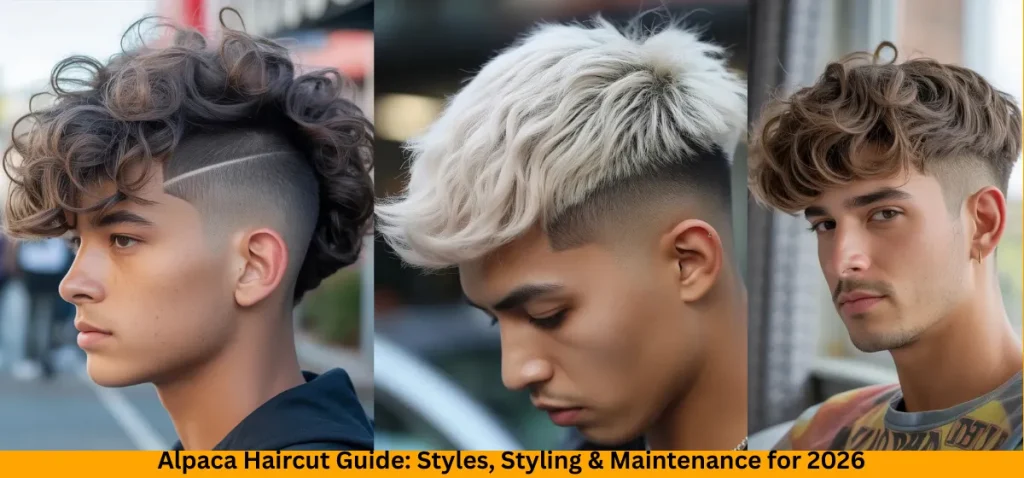
The alpaca haircut has emerged as one of the most viral men’s hairstyle trends of 2024-2026, transforming from a niche Gen Z obsession into a mainstream phenomenon embraced by celebrities, athletes, and style-conscious men worldwide. Named for its resemblance to the fluffy coat of an alpaca—tight and trimmed at the base with explosive volume on top—this distinctive cut has redefined modern masculine grooming.
Whether you’ve spotted the style on Kansas City Chiefs quarterback Patrick Mahomes, TikTok sensation Noah Beck, or the teenage boys in your neighborhood, the alpaca haircut’s combination of structured precision and playful texture offers a fresh alternative to traditional men’s cuts. This comprehensive guide explores everything you need to know about achieving, styling, and maintaining this trending look that shows no signs of fading in 2026.
What Is the Alpaca Haircut? Understanding the Viral Sensation

The alpaca haircut is technically classified as a “textured fringe” style, though its colloquial name has far more memorable appeal. The cut features three defining characteristics that create its signature silhouette: closely shaved or tightly faded sides and back, substantial length and volume maintained on top, and a forward-swept fringe that creates a fluffy, cloud-like appearance reminiscent of the South American camelid.
According to Brendnetta Ashley, professional digital artistic ambassador for Schwarzkopf, “The alpaca haircut is a short, layered cut known for its soft, fluffy texture and rounded silhouette—reminiscent of an alpaca’s plush coat.” The style typically showcases a rounded shape around the crown, very full face-framing bangs, volume concentrated at the roots, and strategic tapering on the sides or back.
What distinguishes the alpaca from similar cuts is its emphasis on maximum texture and volume. While the broccoli cut shares the basic architecture—short sides, fluffy top—the alpaca prioritizes defined curl patterns, forward movement, and a more structured silhouette. The result is a style that appears simultaneously polished and playful, controlled yet voluminous.
The Rise of the Alpaca: From TikTok to Mainstream
The alpaca haircut gained momentum alongside other fluffy texture trends popularized on TikTok and Instagram, where Gen Z influencers showcased photogenic, voluminous styles. Noah Beck, Jack Doherty, and numerous other young celebrities helped popularize the look, demonstrating its versatility across different hair types and personal styles.
However, the trend’s staying power extends beyond viral moments. Celebrity barber Sofie Pok notes that “This style has been trending for a while, especially among Gen Z, since the pandemic. It’s definitely a popular trend for the younger crowd. Like most trends, it may come and go, but I believe it has staying power in this age group because it’s low-maintenance and works well for those with flatter hair types”.
The cut’s popularity also reflects broader cultural shifts in masculine grooming. Where previous generations might have viewed elaborate hairstyling as feminine, modern young men embrace self-expression through their appearance. The alpaca haircut offers a middle ground—distinctive enough to signal style awareness, yet masculine in its structured execution and athletic associations.
Who Can Wear the Alpaca Haircut? Hair Type and Face Shape Considerations
Ideal Hair Types for Maximum Impact
The alpaca haircut truly shines on individuals with naturally curly or wavy hair. The built-in texture allows the style to achieve its signature fluffy appearance with minimal daily styling. Curls ranging from 2B waves to 3C coils can successfully execute the look, though tighter curl patterns may require more strategic shaping to prevent excessive bulk.
For those with straight hair, achieving the alpaca aesthetic requires additional intervention. Many stylists recommend perming to create the necessary curl structure, though there are specific straight hair styling options that can work with enough texturizing product. Modern perming techniques have evolved significantly from the tight, artificial-looking curls of previous decades. Today’s “Zoomer perms” create loose, natural-looking waves that provide the volume and movement essential for the alpaca silhouette.
Hair density also plays a crucial role. The style works best on medium to thick hair that can support the voluminous top section. Those with very fine or thinning hair may struggle to achieve the characteristic fluffy appearance, though texturizing products and strategic cutting can create the illusion of fullness.
Face Shape Compatibility
The alpaca haircut’s versatility extends to various face shapes, though certain adaptations maximize its flattering potential:
Round Faces: The height and volume on top elongate round face shapes, creating visual length. Keeping the sides extremely tight emphasizes the contrast and prevents additional width at the cheeks.
Oval Faces: Considered the ideal canvas for most hairstyles, oval faces accommodate the standard alpaca execution without significant modifications.
Square Faces: The soft, rounded volume of the alpaca top balances strong jawlines and angular features. The forward-swept fringe draws attention upward, softening the overall appearance.
Long Faces: Those with longer face shapes should request slightly less height on top and more length on the sides to avoid further elongation. A mid-taper rather than skin fade helps maintain proportional balance.
Heart-Shaped Faces: The fullness across the forehead provided by the alpaca’s volume balances narrower chins, creating harmonious proportions.
Alpaca Haircut Variations and Modern Interpretations
The Classic Alpaca

The foundational alpaca haircut features a skin fade or 0.5 guard on the sides and back, transitioning to 2-3 inches of length on top. The crown section maintains enough length to create substantial volume, while the fringe extends forward to cover approximately one-third of the forehead. This variation works across professional and casual settings, offering the most versatile interpretation of the trend.
The Mini Alpaca

For those seeking a subtler approach or working in conservative environments, the mini alpaca reduces the contrast between top and sides. The sides feature a taper fade rather than skin exposure, while the top maintains moderate volume—fluffy but not explosive. This variation requires less daily styling and grows out more gracefully, extending the time between barber visits.
The Colored Alpaca

Bold color applications have emerged as a natural evolution of the alpaca haircut trend. Two-tone approaches—such as platinum blonde with dark natural roots, pastel pink on black base, or copper highlights through brown hair—accentuate the cut’s dimensional qualities. The color placement typically follows the natural growth pattern, with lighter shades concentrated on the fluffy top section where they catch light and emphasize texture.
The Wavy Alpaca
Not all alpaca styles require tight curls. Individuals with naturally wavy hair can achieve a softer, more relaxed interpretation. This variation features longer layers on top—often 3-4 inches—creating movement rather than defined coils. The result appears more “beachy” and less structured, suiting individuals who prefer low-maintenance styling.
The Permed Alpaca

As mentioned, modern perms enable straight-haired individuals to join the alpaca haircut movement. The process involves wrapping hair around large rods to create loose, natural-looking waves rather than tight curls. The perm typically lasts 3-6 months, during which the alpaca style maintains its shape with minimal daily effort. This approach has become particularly popular among teenage boys and young men who want the look without natural curl texture.
How to Ask Your Barber for an Alpaca Haircut
Communication with your stylist or barber proves essential for achieving your desired alpaca haircut outcome. Given the trend’s viral nature, most professionals recognize the terminology, but specific guidance ensures alignment with your vision.
Bring Reference Photos: Select images featuring individuals with similar hair texture and face shape to your own. This provides concrete visual communication that supplements verbal descriptions.
Specify the Fade: Clarify whether you want a skin fade, bald fade, taper fade, or simply shorter trimmed sides. The fade’s height and graduation significantly impact the final appearance.
Discuss Top Length: Determine whether you want enough length for significant volume (3+ inches) or prefer a more moderate approach (2 inches). Consider your willingness to style daily—more length requires more maintenance.
Address Texture Needs: If you have straight hair and want curls, discuss perming options with your stylist. If you have natural curl, ask about texturizing techniques to remove bulk while maintaining definition.
Maintenance Commitment: Be honest about how frequently you can visit for touch-ups. The alpaca haircut requires precise shaping; overgrown sides lose the style’s impact quickly.
Professional Cutting Technique: What Happens in the Chair

Understanding the technical execution helps you evaluate whether your barber or stylist grasps the alpaca haircut’s nuances. The process typically involves:
Sectioning: The hair is divided into top and bottom sections, with the division occurring at the parietal ridge (the curve of the head where it transitions from side to top).
Side and Back Execution: Using clippers or scissors-over-comb techniques, the sides and back are cut to the desired short length. Most alpaca styles feature fade execution that transitions from skin or near-skin at the bottom to slightly longer as they approach the crown.
Top Shaping: The crown section is cut with attention to roundness and movement. Layering removes weight while maintaining length, allowing the hair to stand and move freely. The fringe is typically point-cut or slide-cut to create soft, textured ends rather than blunt lines.
Texturizing: Depending on hair density, the stylist may use thinning shears, point-cutting, or slide-cutting to create internal texture. This step proves crucial for achieving the fluffy, piecey quality that defines the style.
Refinement: The final stage involves refining the shape, ensuring clean lines around the ears and neckline, and confirming the transition between the short sides and voluminous top appears seamless.
Styling Your Alpaca Haircut: Daily Maintenance and Techniques
Essential Products for Alpaca Perfection
Achieving the signature alpaca haircut volume requires strategic product application. The styling routine typically involves:
Pre-Styling Preparation: Begin with damp, towel-dried hair. Apply a volumizing mousse or lightweight styling cream to the roots and mid-lengths. For curly textures, a curl-defining cream enhances natural pattern while controlling frizz
Heat Styling: Use a blow-dryer with a diffuser attachment for curly hair, or a round brush for wavy or straight textures. Direct airflow against the hair growth pattern to lift roots and create maximum volume. For the forward-swept fringe, brush or comb hair forward while drying to train the growth pattern
Product Finishing: Once dry, apply a small amount of texturizing paste, clay, or light-hold pomade to the ends. This creates the piecey, separated definition that distinguishes the alpaca from generic curly styles. For the sides, a light wax or fiber keeps hair neat without helmet-like rigidity
Setting: A light mist of flexible-hold hairspray locks in the style while maintaining natural movement. Avoid heavy sprays that create crunch or artificial stiffness.
Time-Saving Styling Hacks
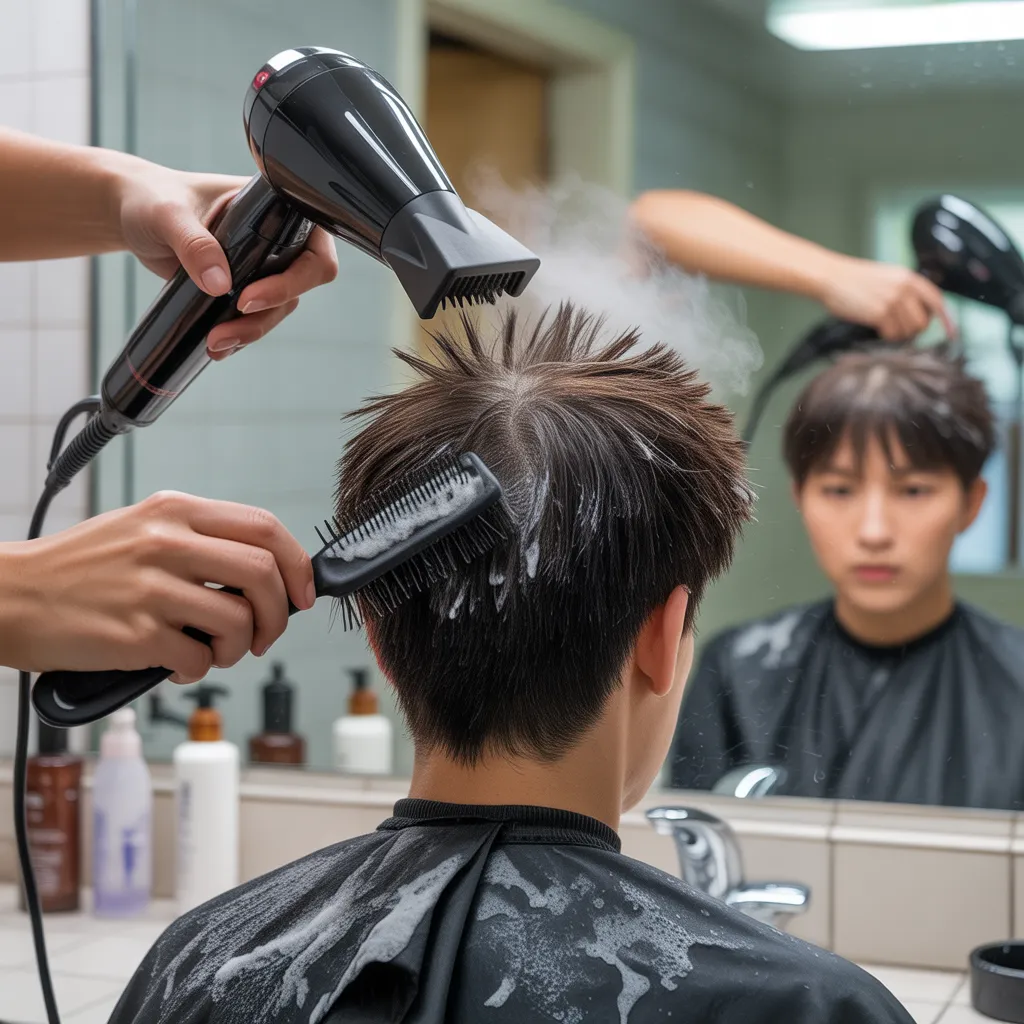
For busy mornings, several shortcuts maintain alpaca haircut style integrity:
Overnight Preparation: Apply styling product to damp hair before bed, twist or braid the top section, and allow natural drying overnight. In the morning, simply unravel and fluff.
Dry Shampoo Revival: On non-wash days, dry shampoo at the roots absorbs oil while adding texture. Scrunch and reshape with fingers for instant renewal.
Salt Spray Texture: Sea salt spray on dry hair creates instant texture and volume. Scrunch while spraying, then allow air-drying for relaxed, beachy alpaca vibes.
Maintenance Schedule: Keeping Your Alpaca Sharp
The alpaca haircut’s structured nature demands regular maintenance to preserve its impact. Unlike more forgiving styles that grow out gracefully, the alpaca relies on precise contrast between sides and top.
Barber Visits: Schedule appointments every 3-4 weeks to maintain fade sharpness and prevent overgrowth that disrupts the silhouette
Some individuals with fast-growing hair may require touch-ups as frequently as every 2 weeks.
At-Home Trimming: Learning to trim your neckline and around the ears between professional visits extends the style’s fresh appearance. Invest in quality clippers and practice conservative touch-ups.
Product Refresh: Replace styling products every 3-6 months to ensure optimal performance. Expired products lose effectiveness and may cause buildup that weighs down your fluffy texture.
Deep Conditioning: Weekly deep conditioning treatments maintain hair health, particularly important for those who perm or heat-style regularly. Healthy hair holds style better and appears more vibrant.
Alpaca Haircut vs. Similar Styles: Understanding the Differences
Alpaca vs. Broccoli Cut

The broccoli cut shares the alpaca’s basic architecture—short sides, voluminous top—but differs in execution and texture. Similar to the mushroom haircut, it features more uniform, rounded shapes with less defined texture. Broccoli cuts typically feature more uniform, rounded shapes with less defined texture, creating a silhouette literally reminiscent of the vegetable. The alpaca prioritizes movement, layering, and forward-swept fringe, resulting in a more dynamic, styled appearance
Alpaca vs. Wolf Cut
While both styles embrace volume and texture, the wolf cut features longer layers throughout with a more dramatic mullet influence—shorter front, longer back. The alpaca maintains a shorter overall length with concentrated volume on top rather than throughout. Wolf cuts suit those wanting edgier, more dramatic silhouettes; alpacas appeal to those preferring structured, wearable volume
Alpaca vs. Textured Crop
The textured crop shares the alpaca’s short sides but features significantly less length on top—typically 1-2 inches maximum. This creates a more controlled, less voluminous appearance suitable for conservative environments. The alpaca’s 2-4 inch top length and forward fringe distinguish it as a bolder, more statement-making choice.
Seasonal Adaptations and Considerations
Summer Alpaca Strategies
Hot weather challenges the alpaca haircut’s voluminous nature. Combat heat and humidity with:
- Anti-humidity products: Serums and creams that prevent frizz while maintaining definition
- Shorter top length: Consider reducing top length by 0.5-1 inch for summer months
- Higher fade: Taking the fade slightly higher on the sides increases airflow to the scalp
- UV protection: Hair-specific sun protection prevents color fading and dryness
Winter Alpaca Care
Cold, dry weather requires additional moisture maintenance:
- Heavier conditioning: Switch to richer, more emollient styling creams
- Hat compatibility: The forward-swept fringe accommodates beanie wear better than styles with height at the crown
- Static control: Anti-static sprays or dryer sheets (lightly applied) prevent flyaways in dry winter air
- Color maintenance: Indoor heating and dry air accelerate color fading; extend vibrancy with color-depositing conditioners
Cultural Impact and Self-Expression
The alpaca haircut represents more than a fleeting trend—it embodies contemporary masculine self-expression. In an era where young men increasingly embrace grooming and style, the alpaca offers a distinctive yet accessible entry point into intentional hairstyling.
The cut’s popularity reflects broader Gen Z styling trends in masculine grooming. Where previous generations might have viewed elaborate hairstyling as feminine, modern young men embrace self-expression through their appearance.
For many young men, the alpaca haircut serves as identity exploration. The style’s playful nature—literally named after a fluffy animal—allows for self-expression without the seriousness or edge associated with alternative cuts like mohawks or undercuts. It signals style awareness while maintaining approachability.
Troubleshooting Common Alpaca Problems
Excessive Volume/Bulk
If your alpaca haircut grows too voluminous, request internal texturizing or thinning during your next appointment. At home, heavier styling products (clays, pastes) weigh down excess bulk better than light mousses.
Flat or Lifeless Top
Insufficient volume often stems from product application errors. Ensure you’re applying volumizing products to damp roots, not just ends. Blow-drying against the growth pattern creates essential lift. Consider switching to lighter products that don’t weigh hair down.
Unruly Sides
As the alpaca haircut grows, the sides may lose their sleek appearance. Use a small amount of wax or fiber to smooth stray hairs. For significant overgrowth, schedule a touch-up or learn conservative clipper techniques for home maintenance.
Frizz and Lack of Definition
Curly-haired individuals may struggle with frizz disrupting the alpaca’s structured appearance. Apply curl-defining cream to soaking wet hair, use a diffuser on low heat, and avoid touching hair while drying. Once dry, a tiny amount of oil or serum smooths frizz without creating greasiness.
The Future of the Alpaca: 2026 and Beyond
As we progress through 2026, the alpaca haircut continues evolving. Current trajectories suggest:
Hybrid Styles: Combinations of alpaca texture with other cuts—such as alpaca-meets-mullet or alpaca-with-fade-designs—offer personalized interpretations.
Length Variations: Experimentation with longer top sections (4-5 inches) creates more dramatic, statement-making silhouettes for the bold.
Color Integration: Increased acceptance of vivid color on top sections—blues, purples, pinks—within the alpaca structure, particularly among creative professionals.
Gender Expansion: While currently male-dominated, the alpaca’s principles (volume, texture, structured sides) increasingly appear in women’s and non-binary cuts, adapted for diverse hair types and style preferences.
Conclusion:
The alpaca haircut offers a compelling option for those seeking modern, textured style with manageable maintenance requirements. Its combination of structured precision and playful volume suits diverse hair types, face shapes, and personal aesthetics, while its viral popularity ensures your barber likely understands the terminology and technique.
Success with the style requires commitment to regular maintenance, willingness to invest in appropriate styling products, and comfort with standing out—because the alpaca’s distinctive silhouette inevitably draws attention. However, for those embracing contemporary masculine grooming and seeking a cut that balances trendiness with wearability, the alpaca delivers unmatched versatility and visual impact.
Whether you’re a teenager seeking your first statement haircut, a young professional wanting to modernize your appearance, or simply someone drawn to the style’s playful energy, the alpaca haircut provides a fresh, 2026-appropriate option that honors individuality while maintaining polish. In the ever-evolving landscape of men’s grooming, the alpaca has proven it’s more than a meme—it’s a legitimate, lasting contribution to modern hairstyling.
Different approaches exist for styling both the fohawk fade and the boys’ fohawk hairstyles, depending on the social event. To choose the ideal product for your hair type, Men’s Health offers a very useful guide to styling products that you can consult.