Glacier National Park: Lodging, Hiking, and Best Time to Visit
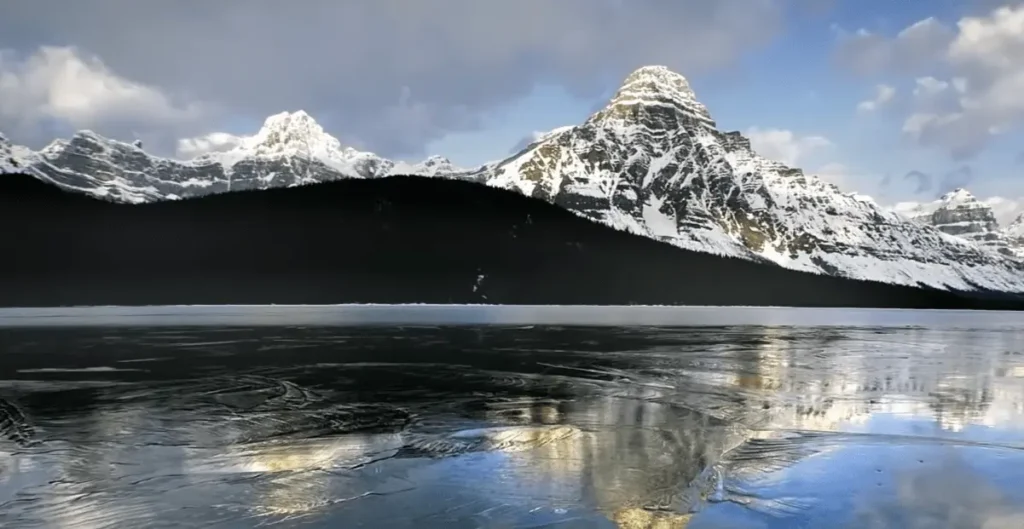
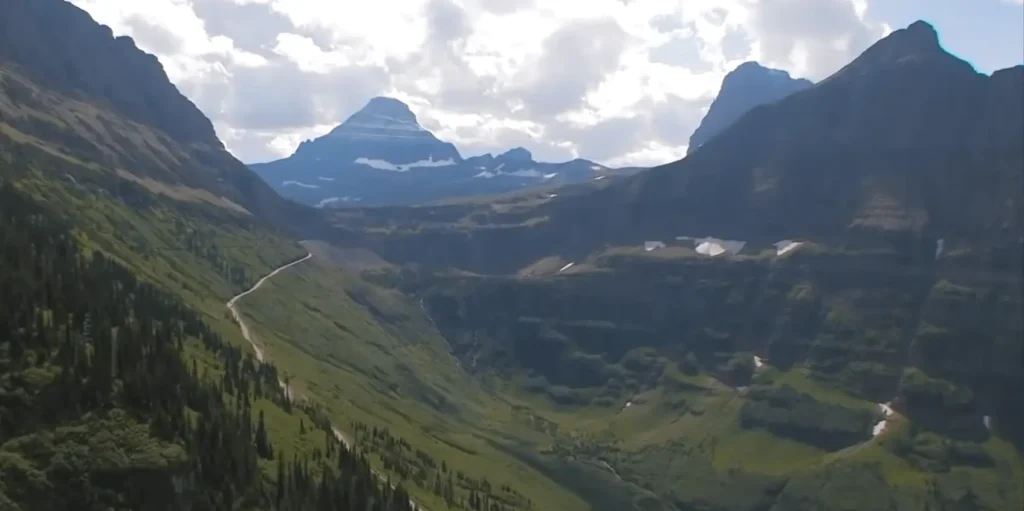
Glacier National Park is situated in the northern Rocky Mountains of Montana. It’s known as a jewel in the crown of America’s national parks and also called the “Crown of the Continent”. The park is renowned for its stunning landscapes, diverse wildlife, and wilderness.
Glacier National Park was created to protect the region’s unique ecosystem in 1910. In 1932 completion of the Going-to-the-Sun Road was a pivotal moment and made the park more accessible. Geographically and landscape-wise Glacier National Park is Spanning over a million acres, with a vast wilderness of mountains, deep valleys, clear lakes, and cascading waterfalls.
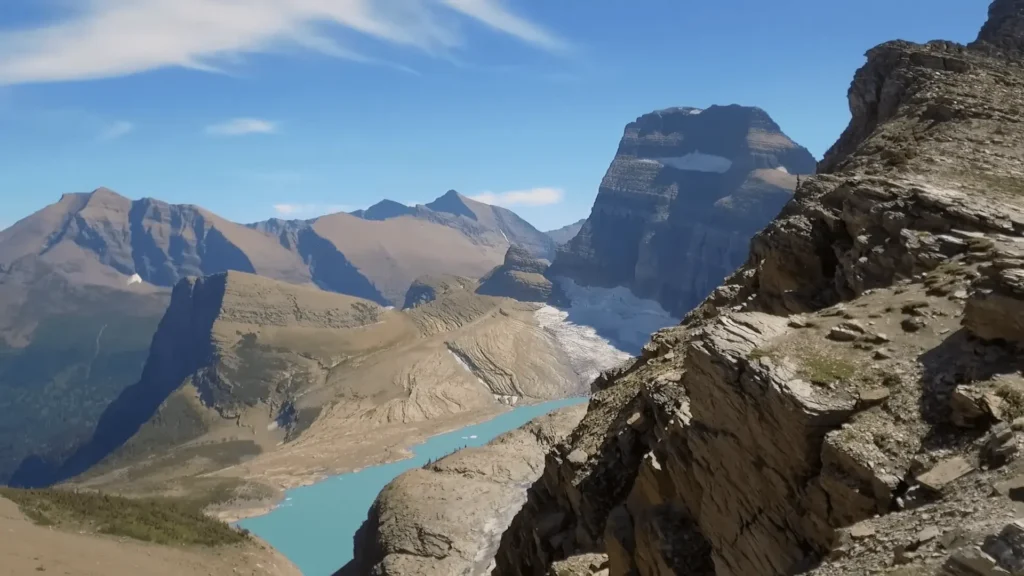
Glacier National Park Map
Glacier National Park Hikes
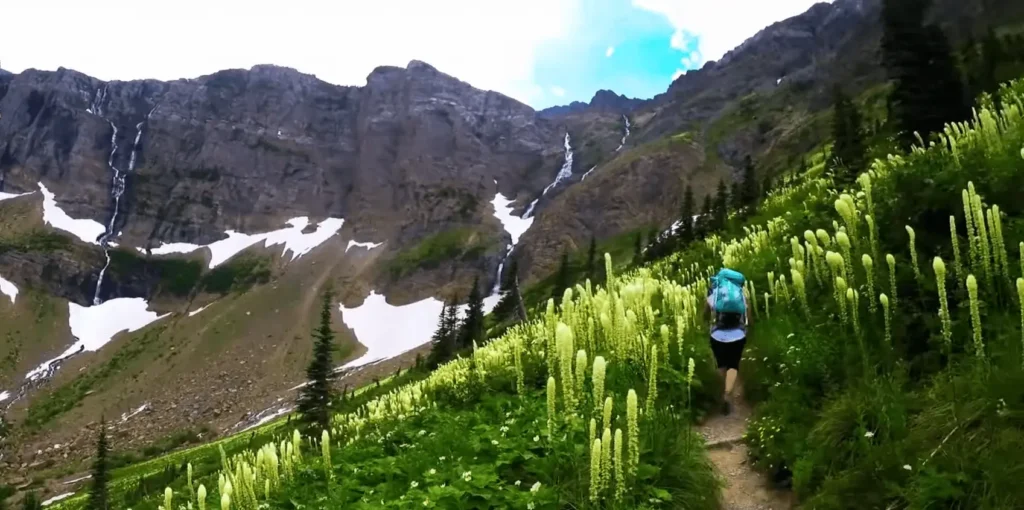
Glacier National Park is renowned for its stunning hiking trails. All the trails vary in difficulty and length, offering something for everyone. This Park offers diverse hiking experiences for all levels of hikers but keep in mind you have to plan your hikes according to your fitness level and interests.
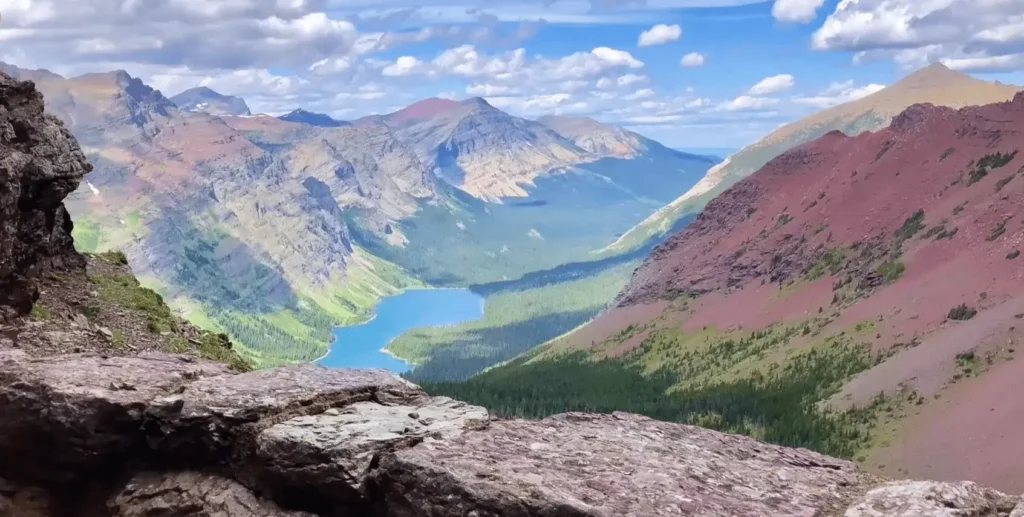
Popular Hikes
| TRAIL | DISTANCE | DIFFICULTY | HIGHLIGHTS | TIPS |
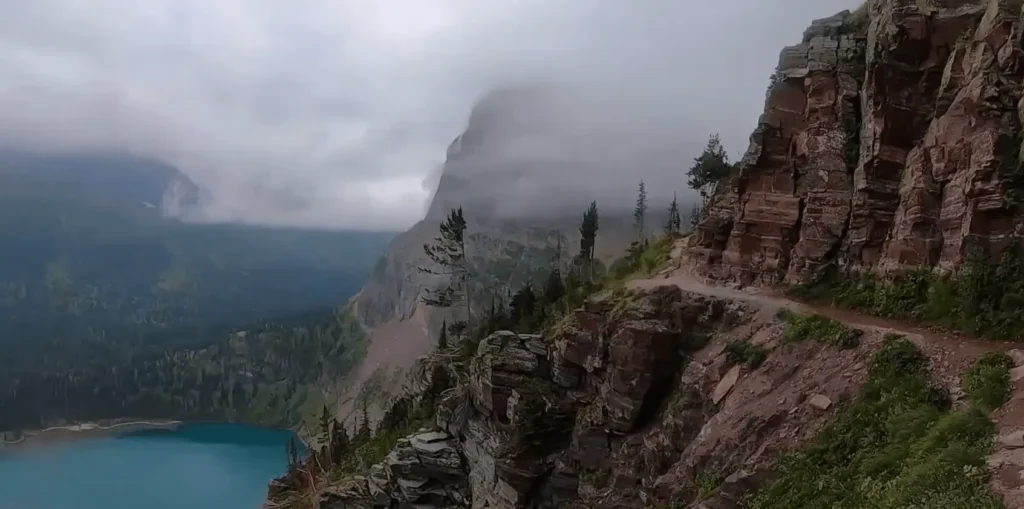
| Highline Trail | 11.6 miles round trip (to Haystack Butte) | Moderate to strenuous | Stunning views along the Garden Wall, wildlife sightings, and sweeping vistas | Start early to avoid crowds and wear sturdy footwear |
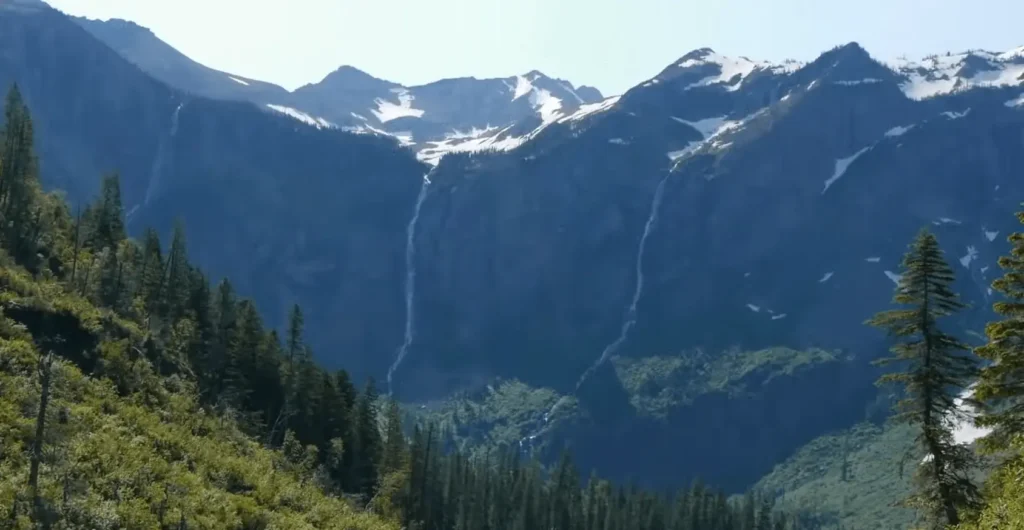
| Grinnell Glacier Trail | 10.6 miles round trip | Strenuous | Scenic views of alpine lakes, Grinnell Falls, and the glacier itself | Consider taking the shuttle boat to cut down on the hiking distance |
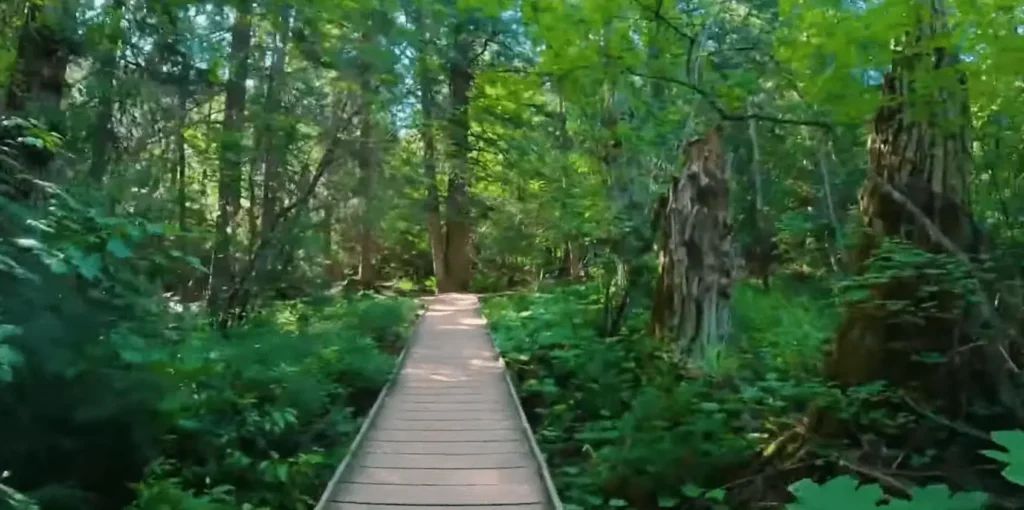
| Avalanche Lake Trail | 4.6 miles round trip | Moderate | Hike through old-growth forest to reach the picturesque Avalanche Lake | This is a popular trail, so expect crowds, especially in the summer |
| Hidden Lake Overlook Trail | 2.7 miles round trip (to the overlook) | Moderate | Breathtaking views of Hidden Lake and surrounding peaks | The trail can be snowy even in summer, so check conditions before heading out |
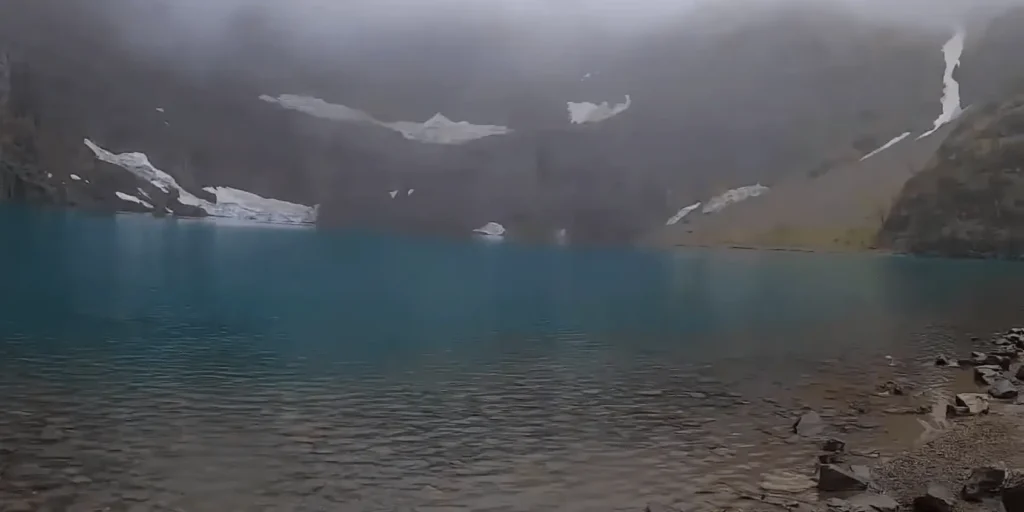
| Iceberg Lake Trail | 9.7 miles round trip | Moderate to strenuous | Alpine meadows, wildlife, and the stunning Iceberg Lake | Carry bear spray and be aware of bear activity in the area |
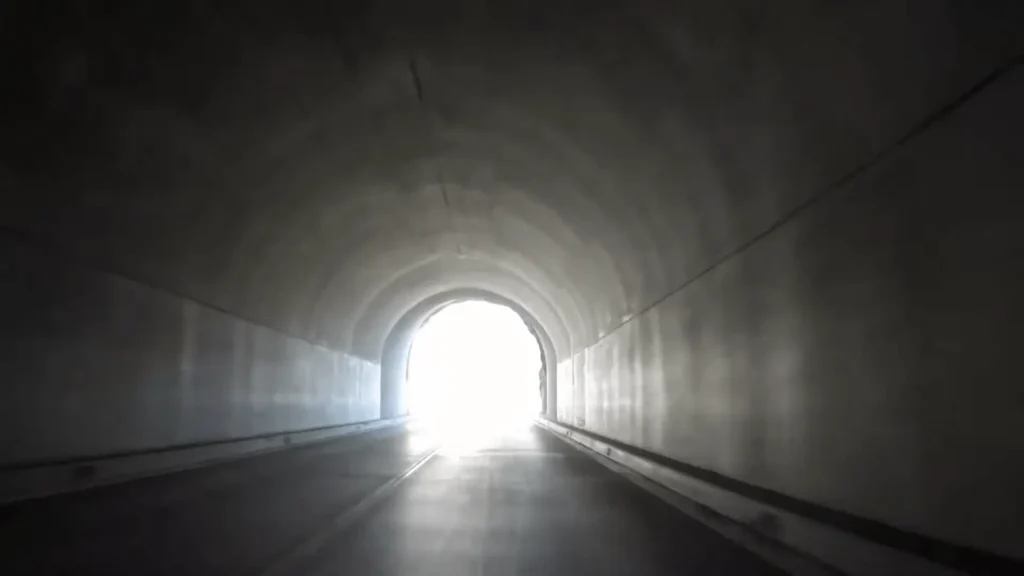
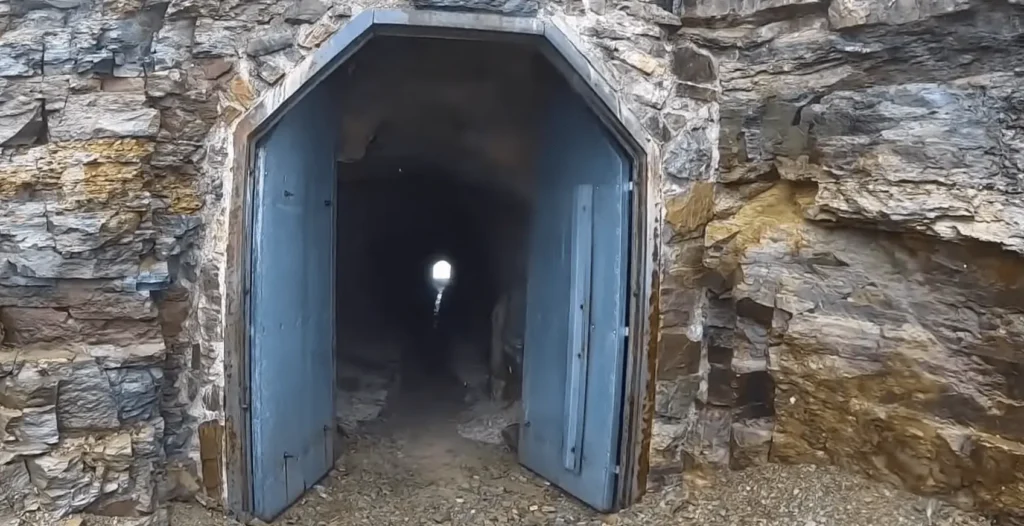
| Swiftcurrent Pass Trail | 13.8 miles round trip | Strenuous | Panoramic views, Ptarmigan Tunnel, and the chance to see mountain goats | This is a long hike, so bring plenty of water and snacks |
| Trail of the Cedars | 0.8 miles loop | Easy | Wheelchair-accessible boardwalk through a beautiful cedar forest | This is a great hike for families and those looking for a short, easy walk |
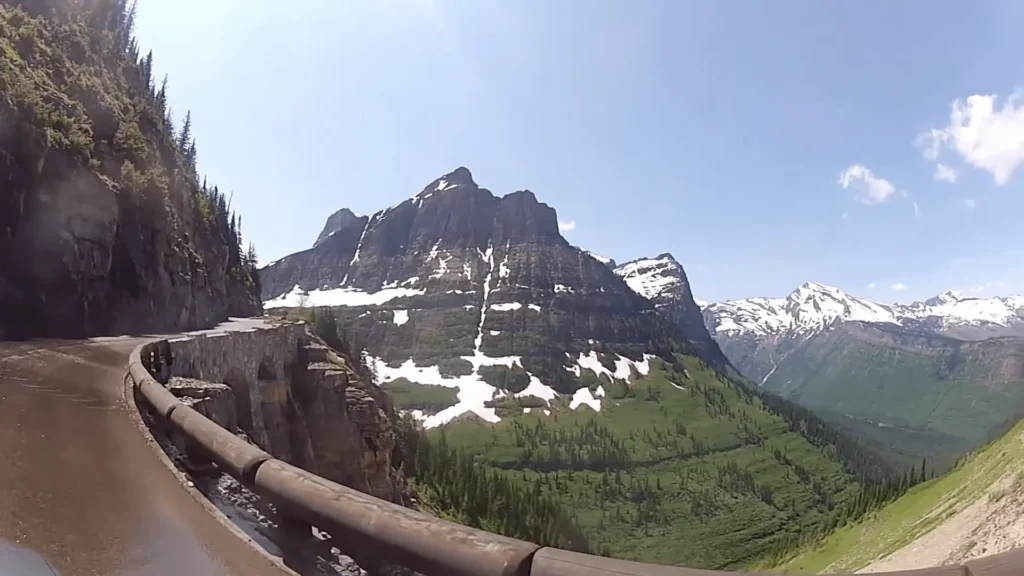
Backcountry Hikes
| TRAIL | DISTANCE | DIFFICULTY | HIGHLIGHTS | TIPS |
| Dawson-Pitamakan Loop | 18 miles loop | Strenuous | Remote, less crowded, and offers some of the best views in the park | Permit required for overnight camping |
| Gunsight Pass Trail | 20 miles one way | Strenuous | Alpine scenery, waterfalls, and the chance to see Sperry Glacier | Can be done as a multi-day hike with a backcountry permit |
After experiencing Glacier National Park you can visit the Great Smoky Mountains National Park for Hiking Trails, Waterfalls, and Wildlife experiences.
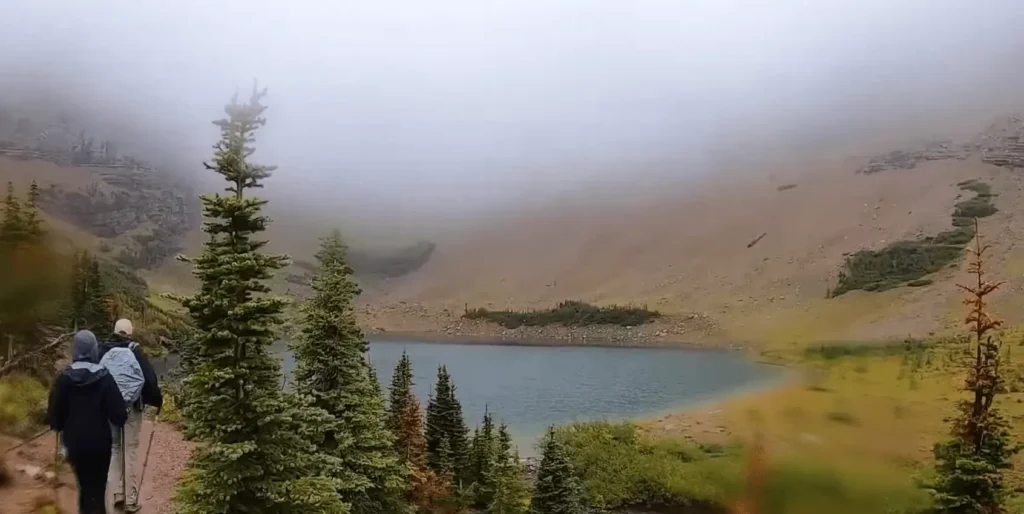
Glacier National Park Lodging
Glacier National Park offers various lodging options. Which vary in location, amenities, and availability. Here’s more detail about Lodging.
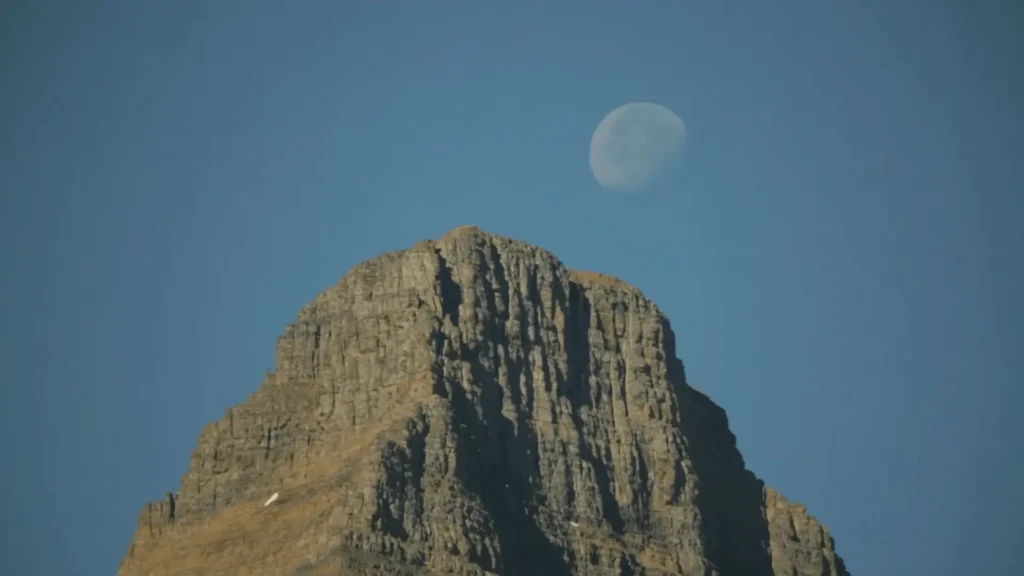
Lodging Inside the Park
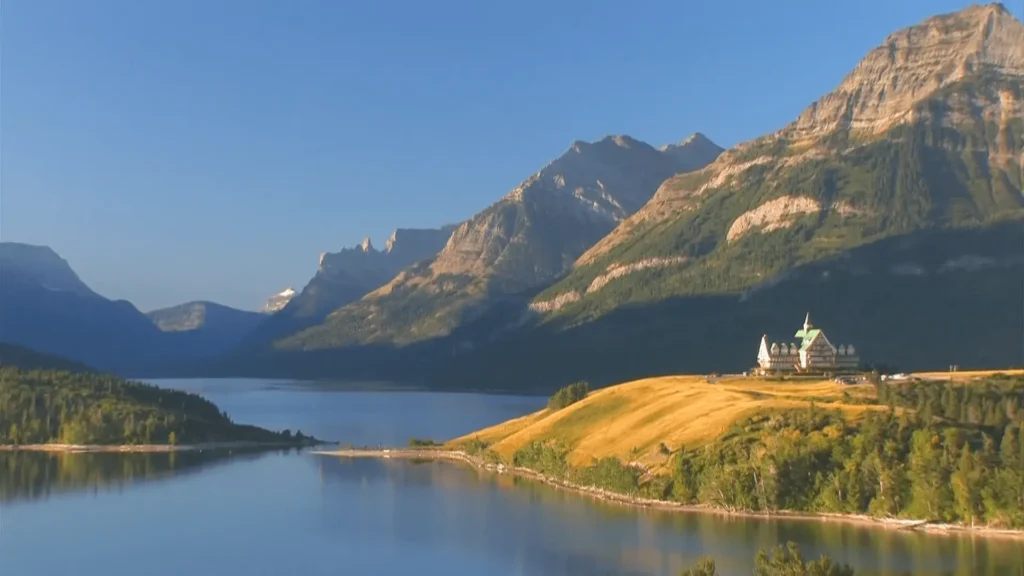
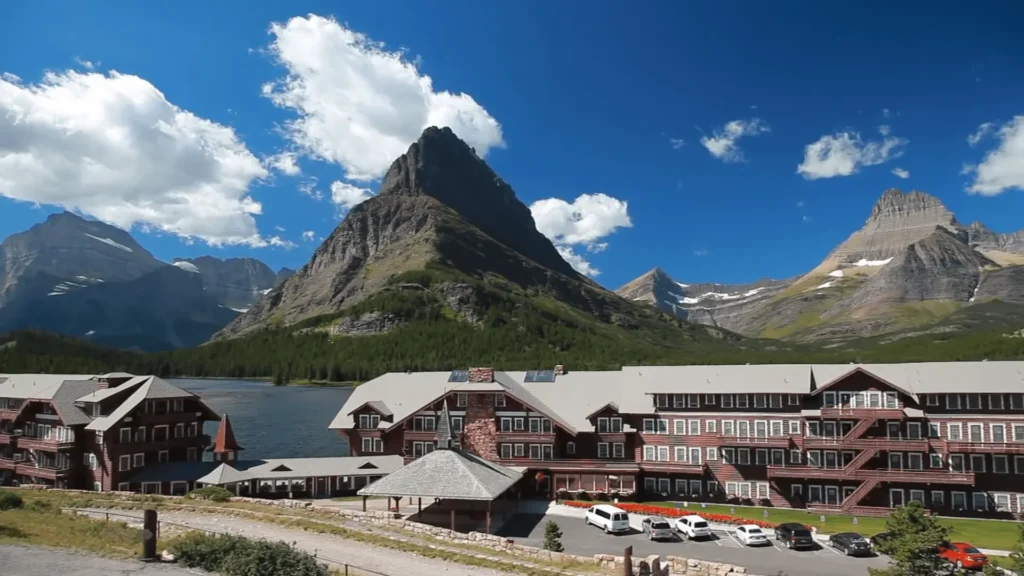
- Many Glacier Hotel:- It is Located in the northeastern part of the park and offers stunning views of Swiftcurrent Lake. There are dining and recreational activities available.
- Lake McDonald Lodge:- It’s Situated on the western shore of Lake McDonald. It features a classic lodge atmosphere with modern amenities.
- Rising Sun Motor Inn and Cabins:- It is located near the St. Mary entrance on the east side. Here you have options for cabins and motor inn rooms.
- Swiftcurrent Motor Inn and Cabins:– Swiftcurrent Motor Inn and Cabins are located in the Many Glacier area. They are ideal for hikers with easy access to trails.
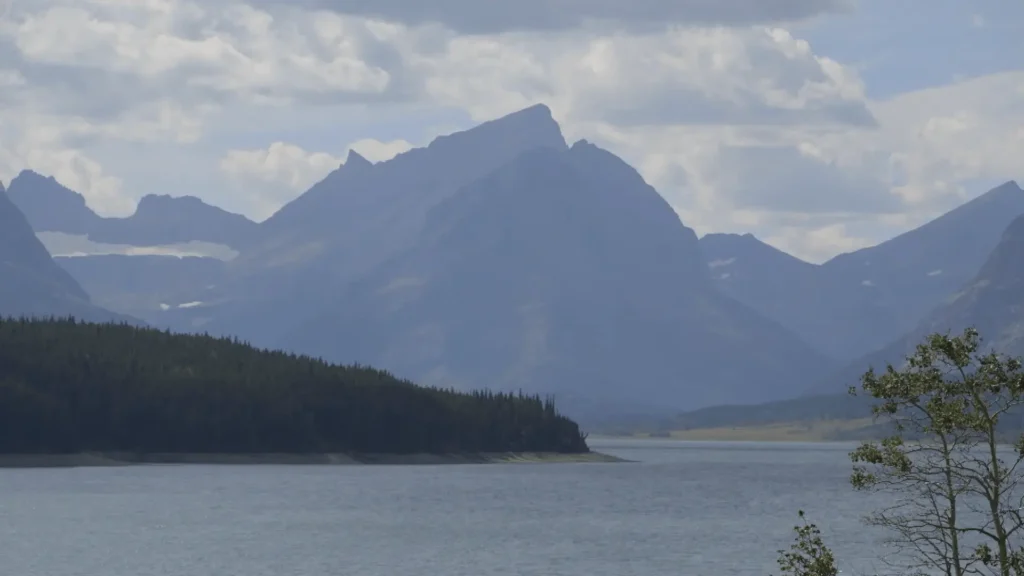
Chalets
- Granite Park Chalet:- Granite Park Chalet is accessible by hiking. There are no modern amenities. It offers a backcountry lodging experience
- Sperry Chalet:- Sperry Chalet also requires a hike to reach. It was rebuilt after a fire. It provides a unique historical experience.
Lodging Outside the Park
West Glacier Area:
- Whitefish and Kalispell: It offers various accommodations, including hotels, motels, and vacation rentals. It’s close to the west entrance, with plenty of dining and shopping options.
East Glacier Area:
- St. Mary and Babb: St. Mary and Babb provide lodges, motels, and bed-and-breakfast options. It’s close to the east entrance and the Many Glacier area.
Campgrounds
Apgar Campground, Fish Creek Campground, Many Glacier Campground, Rising Sun Campground, St. Mary Campground
Glacier National Park Camping
Camping in Glacier National Park is highly competitive. Here we discuss favorite campgrounds and best practices to secure a campsite. The focus is on front country campgrounds, not backcountry camping.
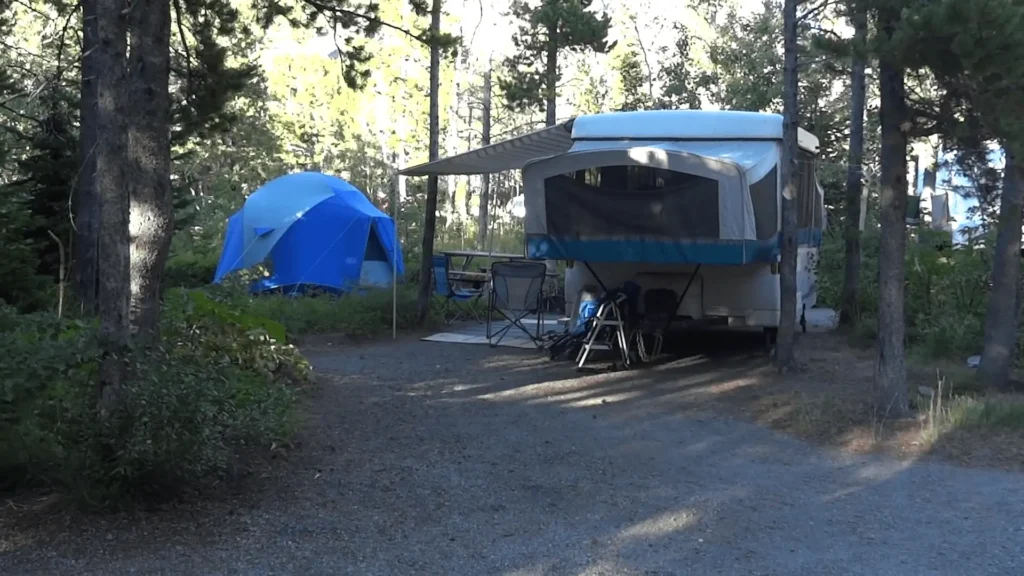
13 front country campgrounds Popular Areas
West Glacier, Going-to-the-Sun Road, St. Mary, Many Glacier, Two Medicine, and North Fork.
- West Glacier: Most visitors enter here; amenities in Whitefish, Kalispell, and Columbia Falls.
- Going-to-the-Sun Road: Connects West Glacier and St. Mary, a famous scenic drive.
- St. Mary: Small town with limited amenities, and some commercial campgrounds.
- Many Glacier: Beautiful, popular, and worth the trip if time allows. Competitive, not ideal for large RVs.
- Two Medicine: Smaller, isolated area, beautiful but fewer activities and far from main attractions, good for quieter stays.
- North Fork: Includes Kintla Lake, Bowman Lake, and Polebridge, with no traditional electricity. Remote, beautiful, not ideal for first-time visitors.
Camping Options:
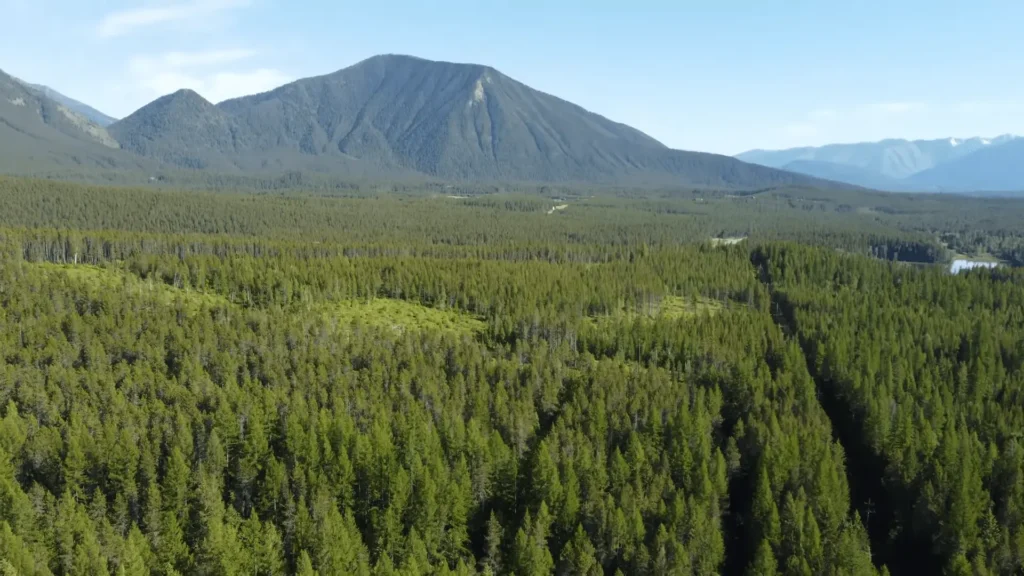
- First-time visitors: Focus on Going-to-the-Sun Road campgrounds.
- West Glacier Campgrounds:
- Apgar: Largest campground, good for RVs, and western park exploration.
- Fish Creek: Beautiful, smaller sites, showers available.
- Spragg Creek: Tent camping, small trailers possible.
- Avalanche Creek: Near popular trails, good for medium trailers and tents.
- East Side Campgrounds:
- Rising Sun: Near St. Mary Lake, bear activity, and some trailer sites.
- St. Mary: Wide open, good for larger RVs, tent camping, wildlife-rich area.
If you are a camping lover, here is another destination for your experience is Camping At Yellowstone National Park
Camping Strategy:
- Split lodging between the west and east sides if staying more than two days.
- Make reservations outside the park as a backup.
- Aim for central campgrounds if possible to reduce driving time.
Camping Tips:
- 14-day stay limit in the park during summer.
- No RV hookups; find these in West Glacier or St. Mary.
- Bear safety is crucial; store food properly.
Reservation Process:
- Visit the website recreation.gov to book campsites.
- Most popular campgrounds are now reservation-only.
- Prepare by creating an account, checking available campsites, and knowing your equipment needs.
- Reservations open six months in advance at 10 am Eastern time.
- Multiple people in your group should try to book simultaneously.
- Be flexible with dates to increase your chances of securing a campsite.
- Be persistent in securing a reservation because it’s a bit hard.
Things to Do in Glacier National Park
Park offers a wide range of activities for outdoor enthusiasts and nature lovers. Here are the details of activities for all ages.
Activities:
- Hiking:
- Explore over 700 miles of trails.
- Popular hikes include the Highline Trail, Grinnell Glacier Trail, and Avalanche Lake Trail.
- Scenic Drives:
- Going-to-the-Sun Road: A must-do, this 50-mile road offers breathtaking views of mountains, lakes, and valleys.
- Many Glacier Road: Leads to the Many Glacier area, known for its stunning scenery and wildlife.
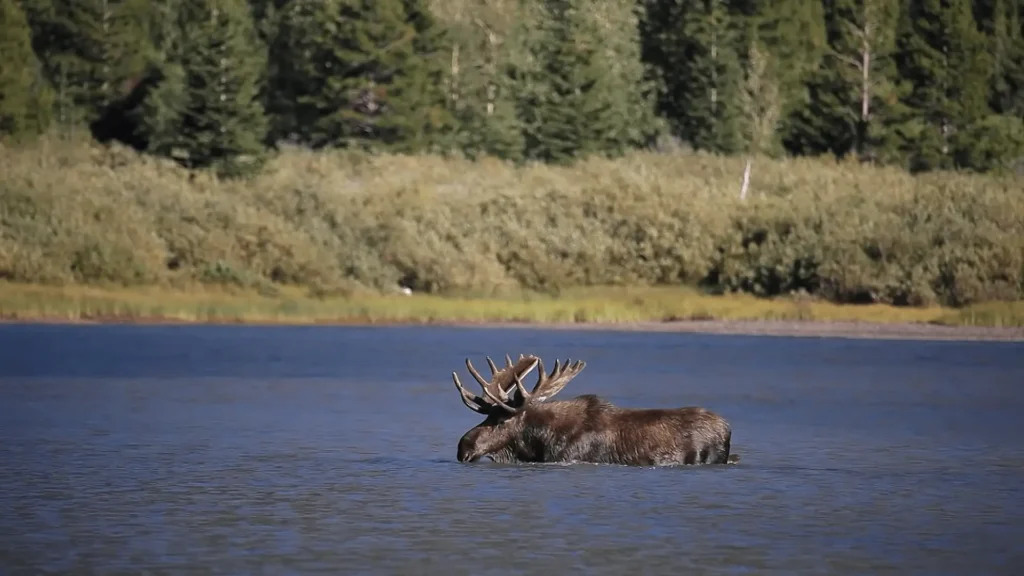
- Wildlife Watching:
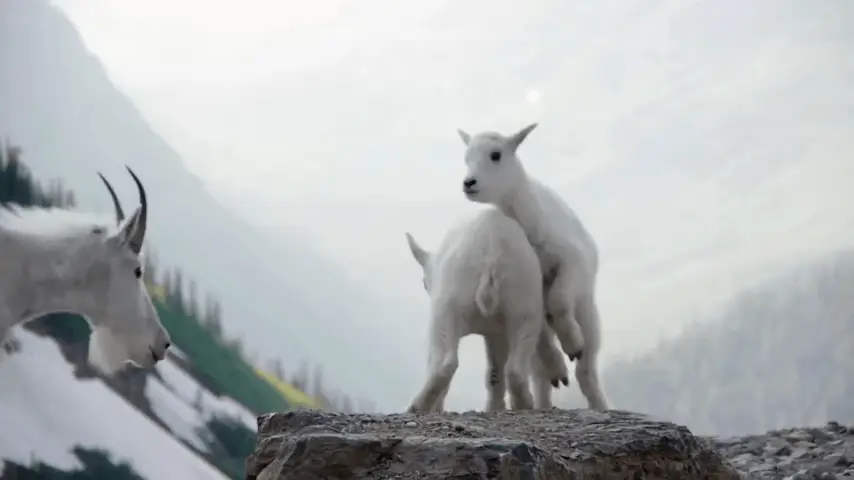
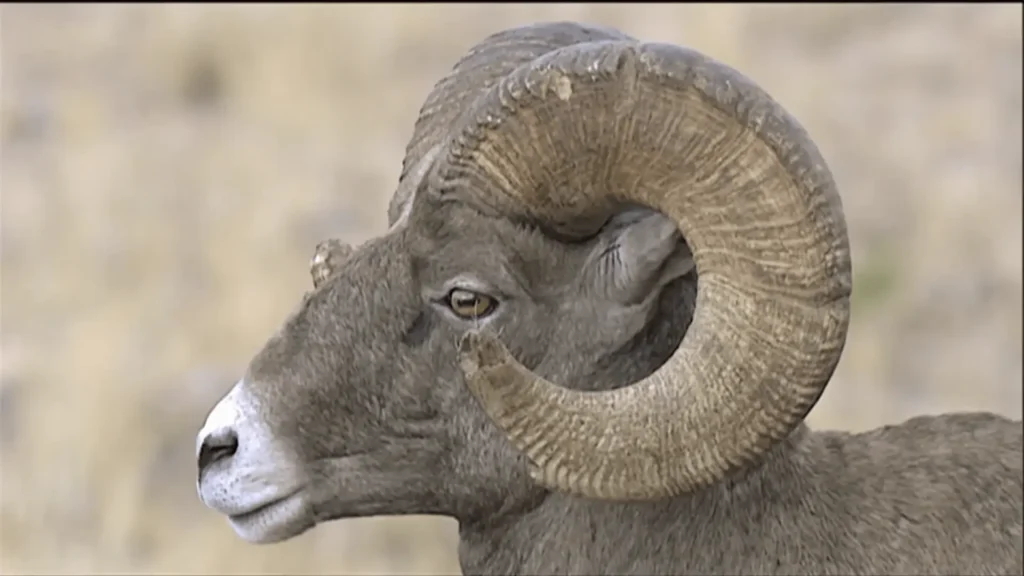
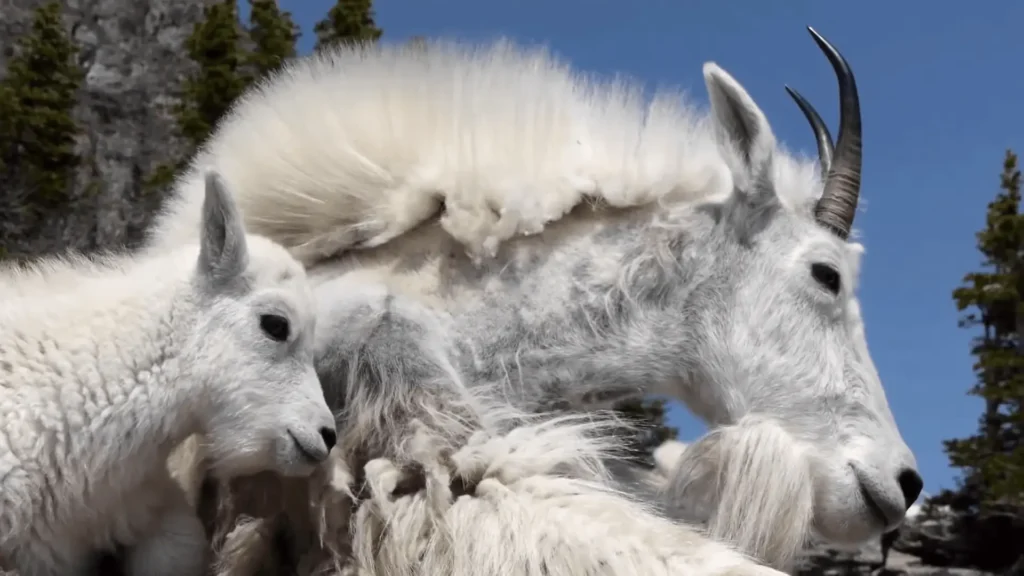
- Common sightings include grizzly bears, black bears, moose, mountain goats, and bighorn sheep.
- Best spots for wildlife include Many Glacier, Two Medicine, and Logan Pass.
- Boat Tours:
- Enjoy guided boat tours on lakes. Such as Lake McDonald, St. Mary Lake, and Two Medicine Lake.
- Learn about the park’s history and geology from knowledgeable guides.
- Camping:
- Over a dozen campgrounds, both primitive and developed.
- Popular campgrounds include Apgar, Many Glacier, and St. Mary.
- Photography:
- Capture stunning landscapes, wildlife, and wildflowers.
- The best times for photography are early morning and late evening for the golden hour light.
- Fishing:
- Fish in pristine lakes and rivers.
- Common catches include trout and whitefish. Check for regulations and permits.
- Horseback Riding:
- Guided horseback tours are available, offering a unique way to see the park.
- Tours are available at Apgar, Lake McDonald, and Many Glacier.
- Ranger-Led Programs:
- Participate in educational programs and guided hikes led by park rangers.
- Programs cover topics such as wildlife, geology, and park history.
- Visitor Centers:
- Apgar Visitor Center: Near West Glacier, offers exhibits and information.
- St. Mary Visitor Center: On the east side, provides park information and ranger programs.
- Logan Pass Visitor Center: At the top of Going-to-the-Sun Road, features exhibits and information on the area’s natural history.
- Biking:
- Biking is allowed on certain roads and paths.
- Going-to-the-Sun Road is popular with cyclists, though restrictions apply during peak hours.
- Winter Activities:
- Cross-Country Skiing and Snowshoeing: Trails are available in winter for these activities.
- Winter Camping: Available with proper equipment and preparation.
Best Time to Visit Glacier National Park
The best time to visit Glacier National Park depends on your interests and the type of experience you seek. Here is the detail, which will help you to decide and plan your trip according to your interests
Summer (Late June to Early September)
Fall (Mid-September to Late October):
Spring (Late May to Early June):
Winter (November to April):
You have to be prepared for variable weather conditions, regardless of the season. Layered clothing is recommended.
Safety Tips:
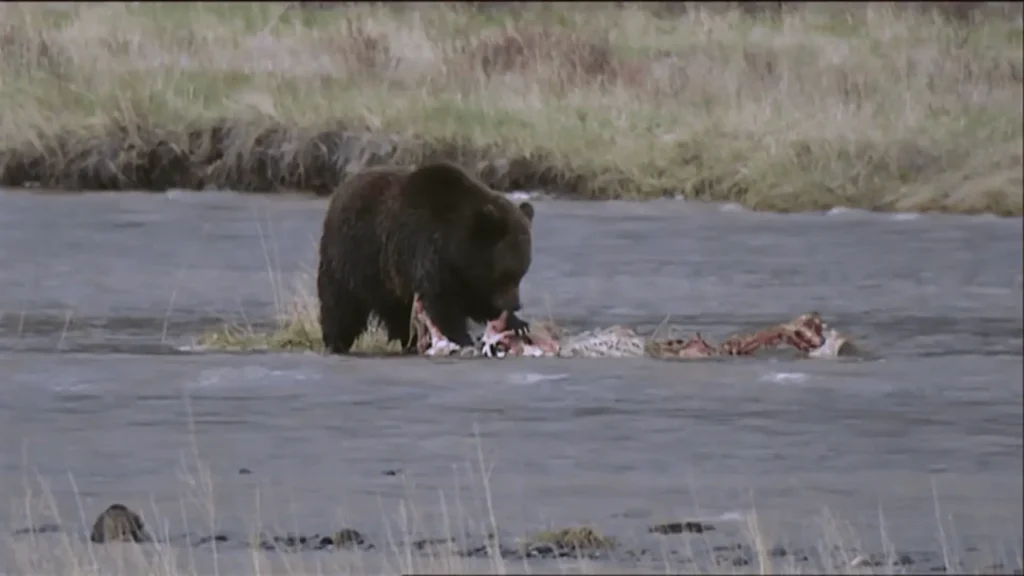
- Bear Safety: Carry bear spray, make noise, and hike in groups.
- Weather: Be prepared for sudden weather changes; carry layers.
- Hydration: Bring plenty of water and snacks.
- Trail Etiquette: Stay on designated trails and practice Leave No Trace principles.
Conclusion
Glacier National Park the “Crown of the Continent,” offers breathtaking landscapes, diverse wildlife, and a true wilderness experience. This park spans over a million acres of stunning natural beauty With a variety of hiking trails, lodging options, and activities like wildlife watching, boating, and photography, Glacier caters to all visitors.
Whether you seek adventure or tranquility, Glacier National Park is a jewel of America’s national parks. After exploring Glacier, consider visiting Zion National Park for even more breathtaking adventures.


1 thought on “Glacier National Park: Lodging, Hiking, and Best Time to Visit”