Why Health Insurance is Important: A Complete Guide to Benefits and Coverage

Health insurance is an important security measure that helps people manage the financial aspect of medical care. It covers costs related to healthcare services, including visits to doctors, hospital stays, and medicines, among others. The policyholder pays a monthly premium in return for being insured against the high costs incurred by unexpected medical emergencies and chronic conditions.
Benefits of Health Insurance: Financial, Preventive, and Societal Impacts
Other important benefits of health insurance include encouraging preventive care, catching and dealing with health concerns at an early stage, possibly improving health outcomes, and reducing long-term costs. Moreover, health insurance reduces the risk of financial hardship that can occur because of an unexpected illness or injury and provides a buffer that helps to promote financial stability.
However, challenges continue, including high premiums, out-of-pocket costs, and gaps in coverage for low-income and marginalized populations. While the above-mentioned complaints may exist, health insurance remains one of the most important parts of equitable access to health care and public health improvement. With change occurring in both the healthcare technology and policy landscapes, so too does the health insurance landscape change to help provide more tailored and affordable options for individuals and families.

Health insurance contributes to public health: with more people having access to healthcare, it reduces contagious illnesses and makes a healthier society. While affordability and coverage gaps continue to be problematic, health insurance, nonetheless, plays a critical role in ensuring access to fair healthcare and financial stability. In line with that, while health care keeps on evolving, so are efforts to make insurance more affordable and fit for the needs of each person, underlining its most important role toward general well-being and economic security.
Types of Health Insurance Plans in the U.S.: HMO and PPO Explained
The two most common health insurance plans in the United States are: (a) Health Maintenance Organization (HMO) and (b) Preferred Provider Organization (PPO)
Because they offer a range of cost, choice, and flexibility demands, these plans are well-liked. PPOs are favored for provider option flexibility, whilst HMOs are frequently selected for their price and convenience.
Health Maintenance Organization (HMO)
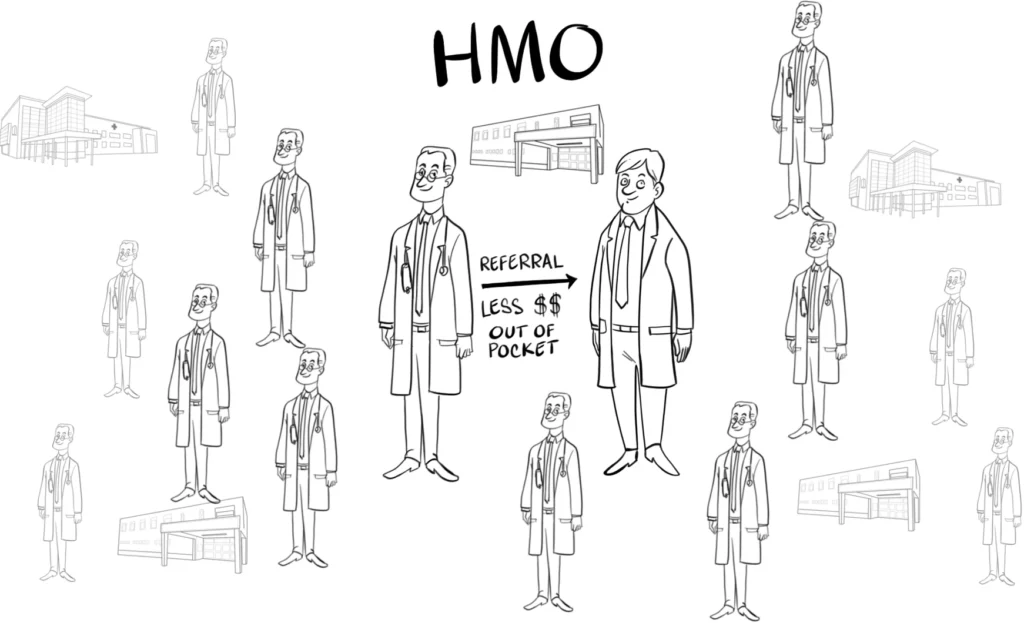
A Health Maintenance Organization (HMO)is a health insurance plan designed to offer affordable, coordinated healthcare through a specific network of doctors, hospitals, and providers. Members choose a primary care physician (PCP) who oversees their healthcare and provides referrals to network specialists as needed. Known for lower premiums and out-of-pocket costs, HMOs generally cover only in-network care except in emergencies. While this setup promotes predictable expenses and efficient care, it limits flexibility, as members must use network providers and obtain referrals for specialist visits. HMOs are ideal for those seeking lower costs without the need for extensive provider choice.
Preferred Provider Organization (PPO)
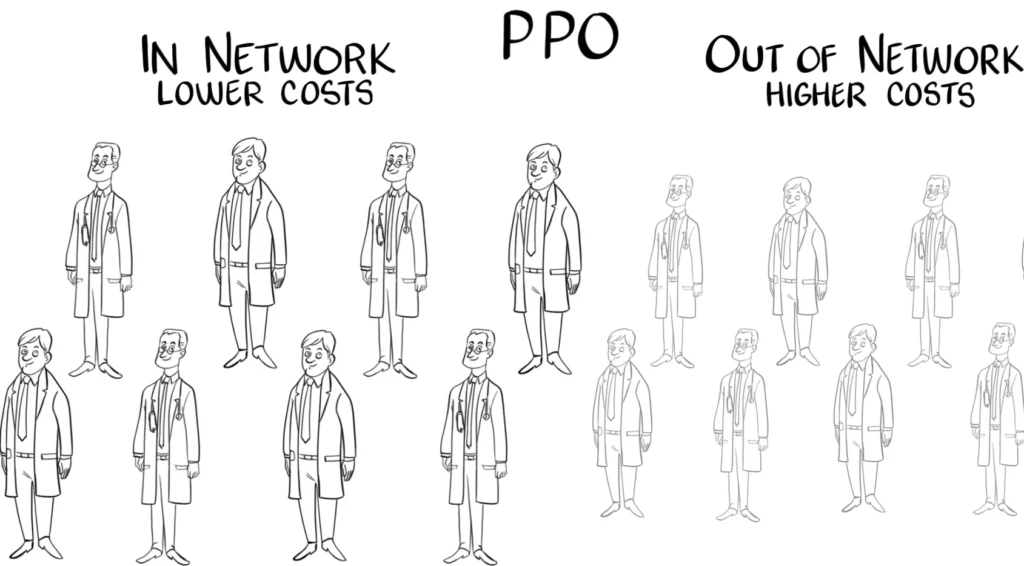
A Preferred Provider Organization (PPO) is a health insurance plan offering flexibility in selecting healthcare providers. Members have the freedom to visit any doctor, specialist, or hospital, including those outside the network, although out-of-network care usually incurs higher costs. Unlike Health Maintenance Organizations (HMOs), PPOs don’t require referrals for specialist visits, allowing members to oversee their healthcare without needing a primary care physician’s (PCP) guidance.
International Health Insurance: The Role of Bupa
The British United Provident Association Limited (Bupa) is an international healthcare organization that offers health insurance, medical services, and aged care. In the UK, Bupa was established in 1947, having evolved to become one of the largest service providers across more than 190 countries and working to help people live healthier, happier lives.
This corporation offers health insurance varieties of packages to individuals, families, and corporations of health services including inpatient and outpatient, mental health, and preventive and follow-up treatments. Other than insurance, Bupa owns and operates hospitals, dental clinics, and aged care, giving a holistic approach to medicine. Aside from international health coverage for expats or frequent travelers around the world, Bupa Global also offers another line of service. Unlike any other conventional insurer, Bupa usually invests all of its profit back into improving services rather than returning it to the shareholders.
Choosing the Right Health Insurance Plan: A Comprehensive Guide
When looking for a health insurance plan, it is important to understand the numerous types of insurance plans offered and where to access them. These kinds of health insurance plans serve a range of purposes, including providing full coverage through employment, government aid, or a flexible plan that suits your spending limit and way of life. You may select the one that best suits your financial and medical needs by being aware of each type.
Employer-Provided Health Insurance
One of the most common ways people get health insurance is through their employers. Usually, a health insurance policy from an employer is less expensive because employers often pay part of the premium cost. Generally, plans are available for enrollment only in an annual open enrollment period, which is when you can enroll or make changes to your coverage. If your employer offers it, review the plan details carefully, including the premium, deductibles, co-pays, and limits of coverage.
Read more about: Employment Insurance: A Comprehensive Guide to Benefits and Challenges
Marketplace Plans
If employer-sponsored insurance is not available, individuals can look for plans through government-run health insurance marketplaces, such as Healthcare.gov in the United States. Such marketplaces offer a range of options, divided into various metal tiers- Bronze, Silver, and Gold, and offering different levels of coverage and cost-sharing. Depending on your income, you might be entitled to subsidies or tax credits that lower the cost of such plans. Knowing such options would help you understand and, therefore, make a better decision on how to match your health needs with your financial situation.
Government Programs
For people with lower incomes, there is Medicaid and the Children’s Health Insurance Program (CHIP). Medicaid provides qualified lower-income persons and families with free or low-cost health insurance coverage, while CHIP provides health coverage for children whose families earn too much for Medicaid yet cannot afford coverage. There is also Medicare for people who are 65 years and above, or for anyone with specific disabilities. It’s really where knowing the eligibility criteria for those programs can help you determine if they are feasible.
Private Insurance
Last but not least, individuals may buy health insurance either directly from a private insurer or through broker agents. This alternative provides a little flexibility but involves a great comparison to ensure it provides the required coverage at an affordable cost.
How to Get Health Insurance: A Step-by-Step Guide
- Planning to Apply for Health Insurance
Before applying for a health insurance plan, planning is important to make the best decision.
- Evaluate Your Healthcare Requirements
First, evaluate your medical needs. Take into consideration how frequently you go to the doctor, whether you need continued treatment or medication, and if there are any planned procedures. This knowledge of health history and estimated healthcare usage will help you in selecting a plan with the balance of cost to necessary coverage.
- Collect Necessary Information
You will be asked for detailed information, such as income and household size, in applying for health insurance, and also details about your current insurance or insurance you had in the past. This will make the application process easier, and it will also help in determining whether you qualify for available financial assistance or government programs.
- Determine Your Budget
Budgeting comes first in choosing a health insurance plan. One has to consider how much is affordable to pay every month in premiums, besides the maximum possible deductible, co-pays, and out-of-pocket maximums one may have to pay. It’s very common that with lower premiums, the out-of-pocket costs are higher; some balance, therefore, needs to be considered based on your needs in expected health care.

How to Compare Health Insurance Plans: Costs, Coverage, and Provider Networks
It’s time to examine several programs after you have a clear understanding of your requirements and financial constraints.
Review Plan Components
Take a look at each plan’s primary components first. These plans include:
- Premiums: The plan has a monthly cost.
- Deductibles: The amount you have to pay before your insurance starts to pay for things.
- Co-pays and Co-insurance: After the deductible is paid off, your share of the medical care costs.
- Out-of-Pocket Maximum: The highest amount you could spend in a year before your insurance would pay for all services.
By comparing these components, you can better comprehend how each plan will affect your finances.
Check the Network of Providers
Insurance plans are designed based on networks of doctors, hospitals, and specialists. If you have preferred healthcare providers, make sure they are in the network of the plan. Generally speaking, it’s a great deal more expensive for out-of-network care; it is important to choose a plan whose network is strong and accessible.
Prescription Drug Coverage
If you take regular medications, you may also want to review the plan’s formulary-the list of covered drugs-and make sure your prescriptions are on it. Some plans may have higher co-pays for certain medications or may not cover them at all.
Consider Additional Benefits
Additional benefits might include vision or dental, wellness programs, or the ability to access telemedicine. It is up to you to evaluate whether any of these benefits are valuable to you, so consider them as you compare your options.
Use Comparison Tools
There are features on many marketplace websites that let you compare plans side by side. Utilize these resources to help you make an informed choice about provider availability, cost, and coverage.
Applying for Health Insurance
The next step is to finish the application process after selecting a plan.
Applying Through an Employer
If your employer offers health insurance, you typically enroll during the open enrollment period. You will need to fill out the necessary forms, pick a plan that you wish to enroll in, and submit your chosen plan. You can qualify for a Special Enrollment Period (SEP) if you experience a qualifying life event, such as marriage or becoming a parent in your household.
Applying Through the Marketplace
Get a marketplace plan by visiting the official website, healthcare.gov, and applying. You may create an account on the website that will allow you to access the marketplace to complete the application, providing information about your household and income. The system will make you aware of whether you qualify for financial assistance under any form. According to what you have discovered, choose a plan and submit your application.
Applying for Medicaid or Medicare
If you qualify for Medicaid or Medicare, you should apply through the procedures available on the respective government websites. Medicaid and Medicare have different procedures in their application; therefore, one has to follow their procedures and provide any documentation that will serve to determine their eligibility.
Buying Private Insurance
Purchasing private insurance offers an alternate or extra layer of protection to policies offered by the government or by employers. Long-term care insurance, dental, vision, life, disability, and health insurance are important categories. Take into consideration your budget, your particular coverage requirements, and the policy’s specifics, like provider networks, exclusions, and limits, when selecting a plan.
Review policy for the claims procedures, customer service, and reputation of insurance. Examine the policy’s terms thoroughly, and think about seeking advice from a broker or advisor. People who want additional protection, have special medical or financial requirements, or do not have access to employer-sponsored policies can benefit from private insurance. Periodically review your policy to make sure it still reflects changes in your life.
Finalizing and Managing Your Health Insurance
To make sure your coverage is in place, there are a few extra actions to complete after enrolling.
Review Your Plan
Make sure you understand how to use your insurance plan by carefully going over its terms and coverage information. This includes understanding what is covered, how to make appointments, and how to deal with co-pays and payments.
Pay Your First Premium
You only start getting your insurance coverage after you have paid the first premium. Ensure payment is within the specified time to receive your benefits; otherwise, you may just lose your coverage.
Understand How to Use Your Insurance
It would be best if you understood how to access their insurance, including when to schedule doctor’s appointments, refer specialists, and manage prescriptions. You should also keep your card in a safe place and know how to get access to their plan’s online portal for all the other utilities.
Managing Changes and Renewing Your Plan
Life events can make you need a change in your coverage. Due to the qualifying event, you must update your plan based on that event. Similarly, when it is annual open enrollment time, evaluate your existing plan and update it according to the requirements by the conditions of excellent coverage in the next year.
Learn about: Home And Auto Insurance: Protecting Your Most Valuable Asset
Trends in Health Insurance: Personalization, Technology, and Flexibility
Health insurance equally moves at a rapid pace due to technological advancement, consumer demand, and changes in regulations. Among the major trends in health insurance is one of increasingly personalized and preventive medicine. Insurers will be making more use of advanced data analytics and AI to offer coverage and wellness programs that are exactly fitted to individual needs, rather than the treatment of illnesses, as the main intention would be to keep members healthy rather than cure them.
Virtual care and telemedicine have taken the central stage in health insurance policies for comfortable and cost-effective access to healthcare. This trend is most likely to continue, as more insurers offer coverage for digital health services and remote monitoring tools. Another prevailing trend is the integration of value-based care, in which reimbursement aligns according to quality rather than quantity. This will further push healthcare providers to focus on the outcomes of patients and efficiency.
Incentives for health and wellness continue to rise, with rewards from insurers given for healthy behaviors, such as meeting fitness goals or attending preventive screenings. Further, the expansion of mental health coverage reflects a growing awareness of the importance of mental well-being.
Finally, policy innovation is also targeting gig economy workers and freelancers, with an increasing availability of flexible, short-term, or portable plans. These trends are changing the face of health insurance, with it now increasingly adaptive and consumer-oriented.
Conclusion: Health Insurance as an Investment in Your Future
Getting health insurance is among the important decisions you can consider in terms of being covered for health and financial catastrophes. You can get the right coverage for you and your family by learning the types of insurance available, assessing your needs, comparing plans, and following the process of enrollment. Health insurance will provide you with peace of mind regarding access to necessary health care and is thus one of the best investments in your future. Take the time to explore your options and select a plan that gives the right balance between cost and the coverage of unique needs.
Learn about: Classic Car Insurance Explained: Coverage, Costs, and Benefits in 2024



1 thought on “Why Health Insurance is Important: A Complete Guide to Benefits and Coverage”