All You Need to Know About Sterling Silver: Composition, Types, and Differences

What is Sterling Silver?
The basic meaning of sterling silver is a composition of Silver 92.5% and other metals 7.5%, other metals are mostly included of zinc and copper. This composition increases the metal’s flexibility and strength, making it useable in numerous applications. Sterling Silver is mostly used in jewelry (Silver necklaces, earrings, rings, and bracelets), decorative things, cutlery, etc.

What is the meaning of Sterling Silver?
The term “sterling silver” originated from the term Easterling. It is thought to come from the silver coins that the German king gave to the English King Henry II in the 12th century to improve the quality of the coinages.
What is 925 Sterling Silver?
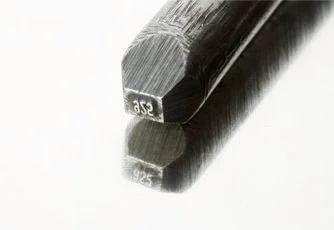
Sterling silver is commonly known as 925 sterling silver because for measuring authenticity, pieces of sterling silver are stamped with 925. The maximum value of hardness of sterling silver is 925K. It makes the silver more long-lasting and as compared to pure silver it is less prone to stain. The raw form of sterling silver is very soft, incompatible, and not moldable to different jewelry items like rings, earrings, necklaces, and bracelets.
What is the difference between Sterling silver and silver?
The main way that sterling silver differs from ordinary silver is its composition.
- 99.9% of regular silver is silver, sometimes known as pure silver.
- Sterling silver, on the other hand, is an alloy made up of 7.5% other metals, mainly copper, and 92.5% silver. Its strength and durability are increased by this combination, which makes it more appropriate for regular usage in jewelry, decorative items, cutlery, and other things.
Sterling silver also has a slightly different look and can be kept from tarnishing since it contains other metals. A “925” stamp is frequently used to identify sterling silver to denote its silver content.
Since pure silver cannot be possibly refined to 100% purity, fine silver is the purest form that silver may assume. Even fine silver with a 99.9% or higher silver content has 0.01% trace elements from other elements in the periodic table. When comparing sterling silver to fine silver, sterling is the better choice for jewelry. It still has the distinctive brilliance of fine silver, but it is significantly more resilient to harm.
Types and Quality Standard Grades of Silver
There are various types of silver, that help to mark quality standard grades according to their specifications and features.
Sterling Silver 925
This type of sterling silver is usually used in jewelry in the world’s most famous markets.
Sterling silver 925 is a mixture of 92.5% silver and 7.5% other metal elements like copper, zinc, or nickel while the other metals help this alloy to enhance hardness so that this alloy becomes more durable.
Fine silver is less hard than sterling silver 925. But as compared to other metals it is still soft.
Fine Silver 999
The closest metal form to pure element silver is fine silver. The stamped silver 999 that specifies 99.9% purity. The remaining 0.1% involves an insignificant quantity of trace elements. It looks to some extent dull and gray. Fine silver 999 is soft and will easily scratch. It can change its shape quite easily and dent.
This is the reason this type of silver is less suitable for jewelry. This type of silver is highly resilient to tarnish. Fine silver 999 is useful for necklaces or earrings instead of bracelets and rings because it can scratch frequently.
Argentiumand Non-tarnish alloys
Argentium and Non-tarnish silver can resist oxidation and they maintain their appearance so therefore both Argentium silver and non-tarnish alloys are famous choices for decorative items and jewelry. There is 92.5% silver and the remaining part including copper and germanium also added in this 7.5%. Germanium helps the alloys to make it harder and it resist the tarnish. Compared to sterling silver, Argentium is much more expensive.
Non-tarnish alloys involve less preservation than sterling silver. These alloys can be tarnished under severe conditions making them suitable for decorative pieces and jewelry.
Coin silver
It refers to a silver alloy that generally consists of 90% silver and 10% copper. The standard for U.S. coinage was the composition of silver and copper till 1965. In appearance, this coin’s silver is shiny and bright which makes a beautiful layer.
In addition, copper strengthens and enhances the durability of the alloy which makes it suitable for common use. Usually, coin silver is used in antique jewelry and flatware. Coin silver can be tarnished like other alloys. The maintenance of coin silver with suitable polish, water, or soap.
Silver-filled
This is the type of metal that contains copper or brass as a base metal which is bonded by a proper layer of silver. This layer of silver is normally thicker as compared to other standard silver plating, which makes this silver-filled useful for items. Silver-filled type is also durable and in appearance, it is more substantial silver.
This silver-filled type is usually used in decorative items and jewelry. In comparison to solid silver, silver-filled pieces are a more affordable choice but apparently, both have the same aesthetic. Silver-filled pieces might not have the same durability as solid silver. Therefore silver-filled pieces require more proper care. There is no proper approved quality standard stamped for silver-filled.
Silver plated
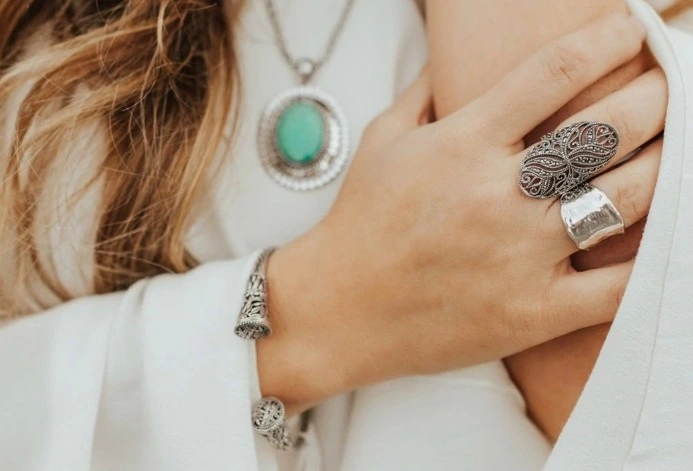
This type of silverplated item has copper, nickel, or brass as a base metal covered by an extraordinarily thin plate layer which is applied on the surface. This thin covering is made from the process of electroplating, wherever the items are wrapped up in a solution having silver ions, and an electric current fixes the silver on the surface of the item. As a result of the process of electroplating this silver plate looks shine.
The silver-plated layer items are so thin that require more careful maintenance. Abrasive cleaning methods or regular polishing can destroy the silver coating, ultimately revealing the original base metal.
Silver-plated things are extensively valued for their aesthetic and affordability appeal. Usually, it is used for costume jewelry, cutlery, decorative pieces, and tableware. As compared to solid silver, silver plated provides a more economical option. Silver-plated items can remain functional and attractive for several years with appropriate care. Silver plated also does not have any standard quality marked.
Nickel Silver
Nickel silver is also known as German silver. It is a metal alloy consisting of nickel, copper, and zinc. There is no actual silver in nickel silver. This alloy has a silvery appearance, which resembles that of real silver. Naturally, nickel silver is composed of approximately 60% copper, 20% zinc and 20% nickel. Somehow according to desire, the proportion of metals depends on the following composition.
- 60-70% Copper
- 10-20% Zinc
- 10-20% Nickel
Nickel silver is appreciated for its strength, oxidization resistance, and capability to be fine polished to a shiny surface, making it a standardized high-quality for objects like jewelry, cutlery, decorative objects, and musical instruments, as well as some people, are allergic to nickel so it is used as the base metal. Its silver-like bright and shiny appearance deals with a cost-effective alternative to silver, and it is often used as a base for silver-plated objects.
Because compared to silver, it does not tarnish as rapidly, it is easy to maintain nickel silver, although this alloy can create a dull patina over time. Whereas nickel silver has no fundamental silver content, it has been generally used in industries that involve a durable attractive material, contributionwith stability of aesthetic and affordability appeal.
Tibetan Silver
The term “Tibetan silver” has a basic base metal which is usually used in decorative objects and it is normally described as “Tribal silver”. In the composition of this alloy, there is a very low percentage or no actual silver with other metals included. This alloy is made of some other alloys such as zinc, copper, tin, or nickel, somehow if any; the percentage of silver is very low.
Because of its rustic and antique appearance, Tibetan silver is a popular choice in jewelry. This type of jewelry should sold with caution and never given to children because of dangerous metals like lead.
However, the quality of Tibetan silver can vary extensively due to its specific composition, and contains dangerous metals like lead or non-precious metals. Therefore before purchasing it is important to know its source. Tibetan silver is traditionally associated with Tibetan and Himalayan artifacts and jewelry with cultural and spiritual significance.
Thai, Bali, or Mexican Silver
Thai silver originated from Thailand, specifically by hill tribes like the people of Karen. Similarly, Bali silver is crafted in Bali, Indonesia, and Mexican Silver is crafted in Mexico. These types are stamped and recognized with specific standardized quality stamps. These countries crafted these three low-grade silvers.
Bali silver contains commonly sterling silver of which 92.5% is pure silver and to strengthen this alloy 7.5% copper is added. Thai silver contains fine silver which is more than 95% pure silver content to make the alloy soft texture and give brighter shine to this alloy. While Mexican silver depends on the nature of the product, sometimes it uses sterling silver (92.5%) but in some cases higher purity (more than 93%).
Bali silver has detailed and unique designs that are the hallmark that portrays traditional and cultural motifs. While Thai silver has a tendency to make organic shapes and simple designs that represent the tribal aesthetics and hill tribes’ unique and traditional jewelry.
However, in Mexico especially the place Taxco is famous for crafting and mining silver. The place Taxco, is mostly famous for crafting sterling silver, with several artisans making many antique and modern designs.
Difference between Sterling Silver and Stainless Steel
Stainless steel and sterling silver are two popular metals with distinctive features, generally used in jewelry, cutlery, and other decorative items.
Sterling silver contains the silver of 92.5% and 7.5% of copper or other metals. It is known for its shiny and bright look; sterling silver shows luxury but is disposed to tarnishing over time. It’s comparatively soft, making it vulnerable to dents and scratches that’s why it needs frequent maintenance to retain its brightness.
Because it has high silver content, so sterling silver is naturally more luxurious, valued, and expensive for its refined, classic look. While, on the other hand, Stainless steel is the composition of carbon, iron, and chromium. This composition gives stainless steel extraordinary corrosion resistance, durability, and a grayish, industrial look.
Stainless steel is more scratch-resistant and harder than sterling silver making it suitable for regular use in both jewelry and functional items like watches or cutlery. It doesn’t tarnish is easy to maintain, and is more affordable than sterling silver. Stainless steel offers a low-maintenance and practical reference.
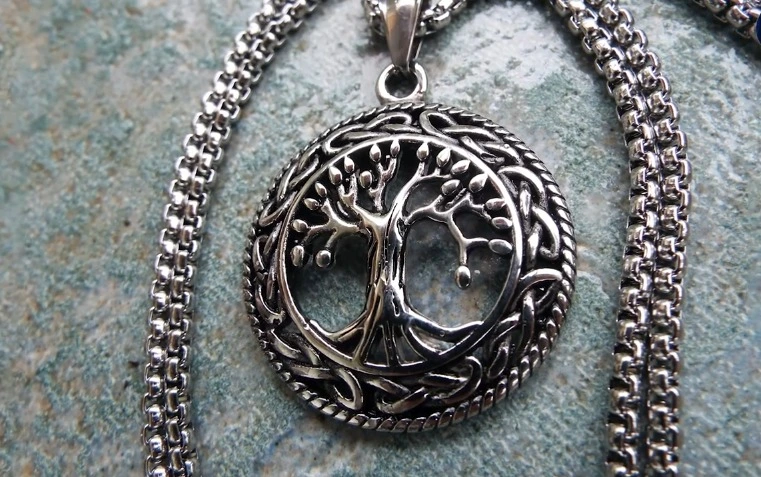
As a result, sterling silver offers grace and a timeless demand but requires more care, however, stainless steel is a durable, budget-friendly choice with insignificant maintenance. This budget-friendly choice among them depends on individual preferences for maintenance, aesthetics, and durability.
What is better Stainless Steel or Sterling Silver?
Choosing between sterling silver 925 and stainless steel depends on individual preferences, whereas both alloys have distinctive advantages. Sterling silver refers to a classic, expensive demand with its reflective shine, and brightness, making it perfect for fine jewelry, cufflinks, or antique decorative pieces. Though, it needs regular care to avoid tarnishing and is softer, significance it can dent or scratch more easily.
Stainless steel, on the other hand, is extremely durable, scratches, and resistant to corrosion, and needs minimal maintenance, making it perfect for day-to-day items like rings, watches, and kitchen utensils. Stainless steel is also more affordable. Eventually, sterling silver is much better for those who looking for luxury, and stylishness however stainless steel shines in practicality and durability for everyday usage.
How to identify sterling silver?
There are some simple ways to identify the 925K sterling silver in jewelry and other items:
- Firstly, check the standard quality stamps on it. It typically hides one of the marks: “925”, “SS”,” Or STG”.
- Test the sterling silver item with a magnet. When a silver item is attracted towards the magnet, it’s not the 925sterling silver; it means it has a high quantity of metal.
- Another way is that when sterling silver jewelry rubs on the cloth, the cloth will tarnish.
- If you know the real weight of sterling silver jewelry or items then compare the weight of similar silver items. It would appear to be a similar weight.
Frequently Asked Questions about Sterling Silver
Is sterling silver waterproof?
Sterling silver is not naturally waterproof; however, to some extent it is water-resistant. Sterling silver is not damaged by pure water, but water that consists of chemicals, like chlorine or saltwater, may cause corrosion and tarnishing over time. Even sustained contact with fixed tap water can add to tarnish because of the minerals included in it.
It is better to avoid wearing sterling silver jewelry in the swimming pool, shower, or ocean to preserve its brightness and avoid tarnish. If it does get wet, drying it promptly can help prevent damage. If it gets wet, then dry it properly to prevent from tarnish.
What color is sterling silver?
The color of Sterling silver is milky white and grayish metallic and it is also known as “the metal of the moon.” it has a blue, teal undertone or violet which is used as base color.
Does 925 sterling silver change color?
925 sterling silver can change its color or tarnish everywhere within 2 to 3 months due to its reaction with moisture, air, and sulfur combinations. Various factors such as saltwater, humidity, chemical exposure, maintenance, silver quality, storage, and corrosion contribute to tarnishing.
However, polishing, regular cleaning, and appropriate storage can help to avoid discoloration. In addition, concerns like rhodium coating or using silver cleaning precautions can deliver additional protection. It’s important that 925 sterling silver, containingsilver92.5% and 7.5% other metals like copper, etc; so the 925 sterling silver is additional prone to tarnish than fine silver.
Does Sterling Silver Tarnish?
It might be darkening arising from prolonged usage of sterling silver items but it is more tarnish-resistant. However, rust doesn’t develop. Rust can be removed by soaking in carbonated warm water and helping the sterling silver item from tarnish.
Price of Sterling Silver
Sterling silver jewelry, decorative items cufflinks, etc. are easily available at affordable prices. Silver contains abundant material which is molded easily in quality and stylishly shaped jewelry or items. It has a very unique, stylish, and bright shiny texture and color. However, it is very cost-effective.
Is sterling silver magnetic?
Pure silver or Sterling Silver 925 is not magnetic. Because silver-plated jewelry contains a high level of metal it might be magnetic.
Is Sterling Silver considered Pure Silver?
Silver has the highest alloy ratio in the 925 Sterling Silver. An exceptionally small quantity of nickel and copper is additional to mark it more tarnishing-resistant and durable. For jewelry like necklaces, cufflinks, and earrings, pure silver 99.9% can certainly tarnish and is softer in usage.
You can also read about Elon Musk: Transforming the World BY Mars Colonization