La Perouse Bay: A Complete Guide to Maui’s Southern Paradise
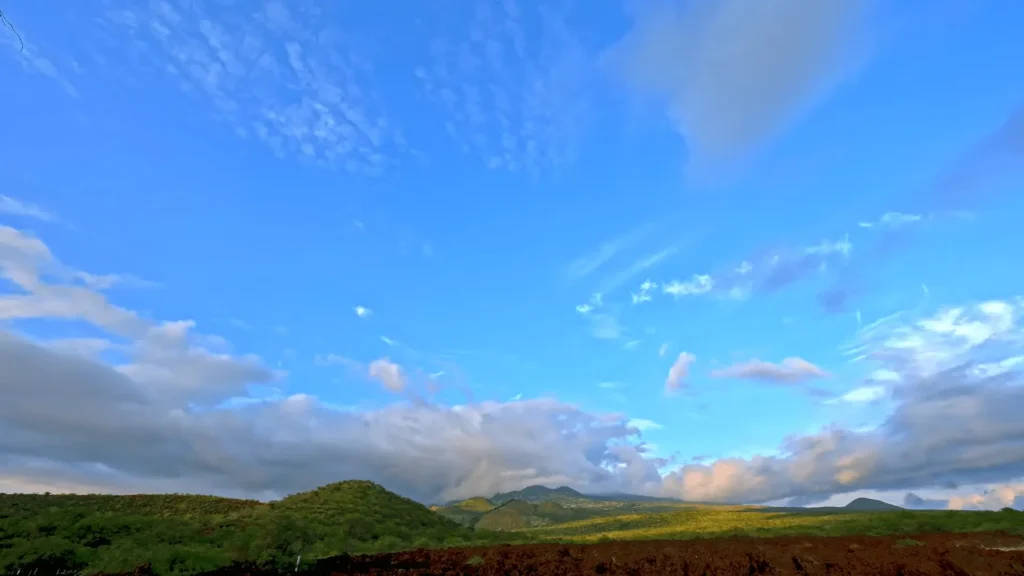
La Perouse Bay, located on the southern tip of Maui, is a destination known for its rugged beauty and historical significance. La Perouse Bay, a secret spot on Maui’s south shore, is like a playground for adventure lovers. It’s beautiful, with black lava rocks next to clear blue water full of fish and other sea creatures. You can walk on Hoapili Trail through the rough lava rocks and see amazing views of the ocean and everything around. It’s also cool for people who like history because volcanoes made the land here a long time ago!
La Perouse Bay Map
History of La Perouse Bay Maui
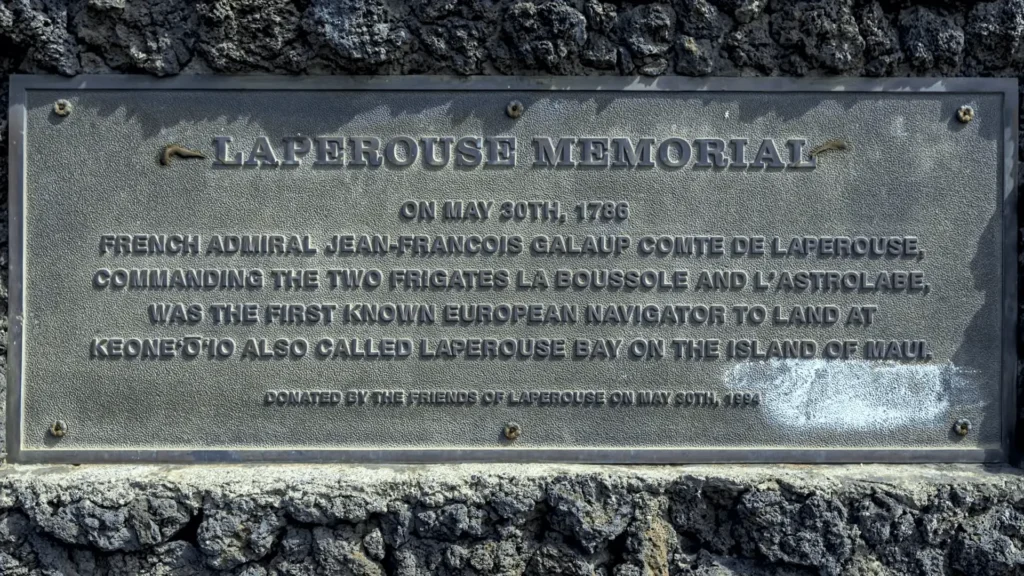
Steeped in rich history and cultural heritage, La Perouse Bay, located on Maui’s southwest coast, was originally named Keoneʻōʻio in Hawaiian, reflecting the area’s deep roots before European contact. The bay’s current name honors French explorer Jean-François de Galaup, comte de La Pérouse, who mapped the area in 1786. His visit brought significant changes, as it introduced Western influences to the Hawaiian Islands. His arrival starts a new era of interaction between Hawaiians and Europeans, leading to cultural exchanges and, eventually, significant shifts in Hawaiian society.
In 1785, La Pérouse embarked on a global scientific expedition, visiting locations like Chile, Alaska, and the Philippines before tragically losing his ships on the reefs of Vanikoro in the Solomon Islands.

Today, the bay sits beside a protected reserve teeming with marine life and archaeological wonders. It also marks the starting point of the King’s Highway, an ancient trail that once circled the island.
Cultural Heritage and Traditions
Before the arrival of European explorers, La Perouse Bay was home to the native Hawaiian people. They hold great cultural and historical importance. The Hawaiians relied on the land and sea for sustenance and spiritual practices.
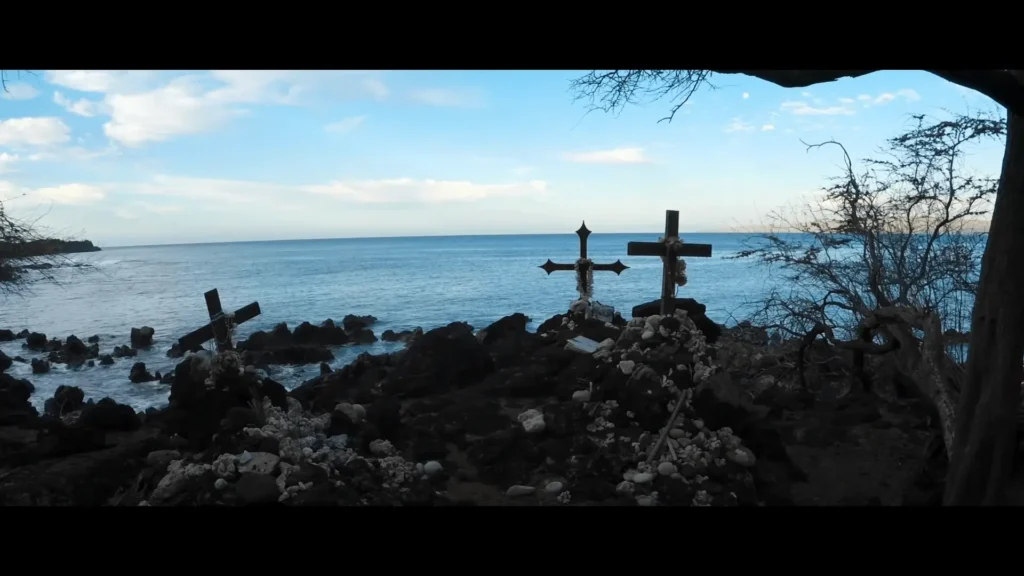
La Perouse Bay is dotted with remnants of ancient Hawaiian structures, including heiau (Temples) and house sites. These sites are considered sacred and are a testament to the area’s historical and cultural richness. Visitors are strongly encouraged to respect these cultural sites, as they hold spiritual significance for the Hawaiian people. Entering or disturbing these structures and areas is discouraged to preserve their sanctity.
Kiawe Trees and Missionary Influence
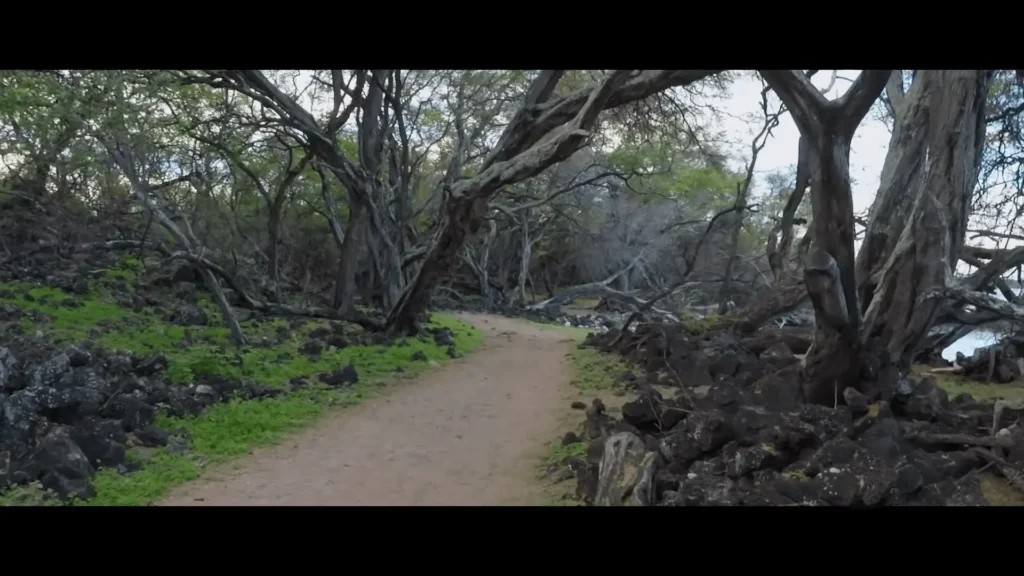
The iconic kiawe trees lining the trails near La Perouse Bay were introduced by missionaries in the 19th century. These thorny trees have since become a distinctive feature of the landscape. we can say it is one example of the changes brought by missionaries, who influenced various aspects of Hawaiian life, including agriculture, education, and religion.
Snorkeling at La Perouse Bay
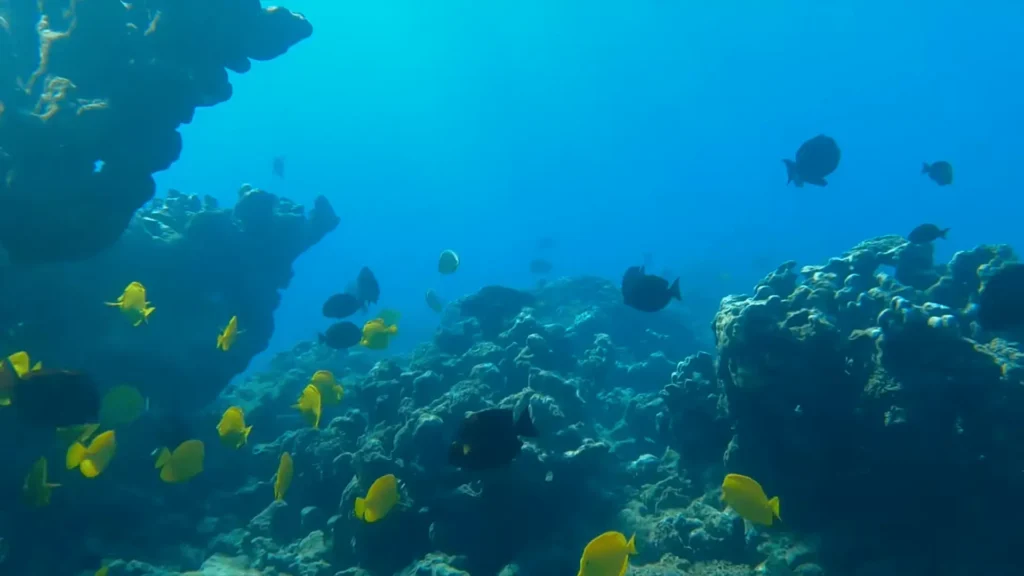
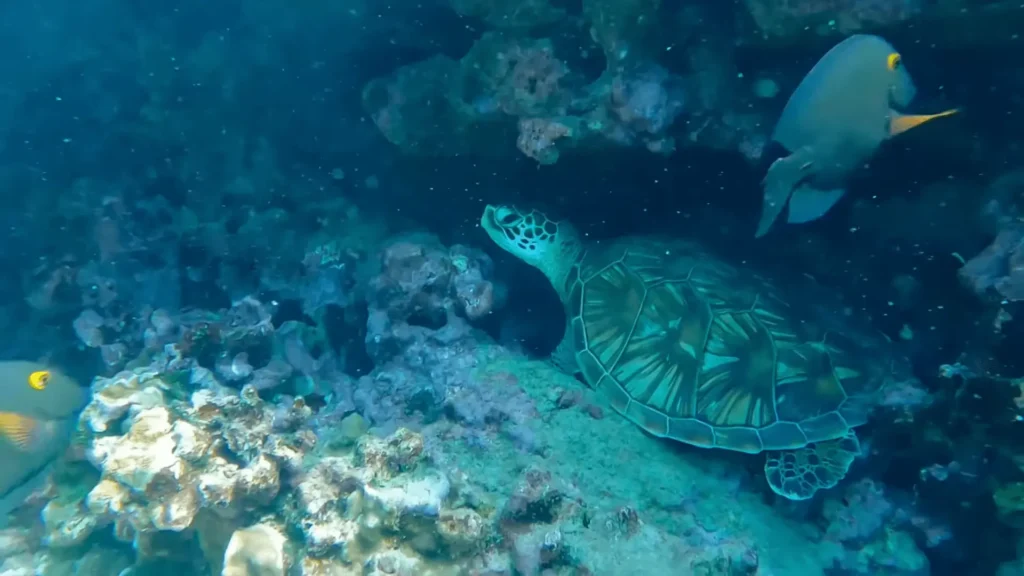
La Perouse Bay is a paradise for snorkelers. Known for its crystal-clear waters and diverse marine life, this bay offers an unforgettable underwater adventure. Once in the water, you’ll be greeted by an array of colorful fish, sea turtles, and vibrant coral reefs. The bay is also a popular spot for spotting dolphins.
Snorkeling at La Perouse Bay is a must-do for anyone visiting Maui. Its stunning underwater landscapes and rich marine biodiversity make it a snorkeling hotspot. Plan your visit and dive into an unforgettable adventure.
Safety Tips
- Wear reef-safe sunscreen to protect the delicate marine environment.
- Always snorkel with a buddy for safety.
- Keep a respectful distance from marine life.
Hoapili Trail: La Perouse Bay Hike
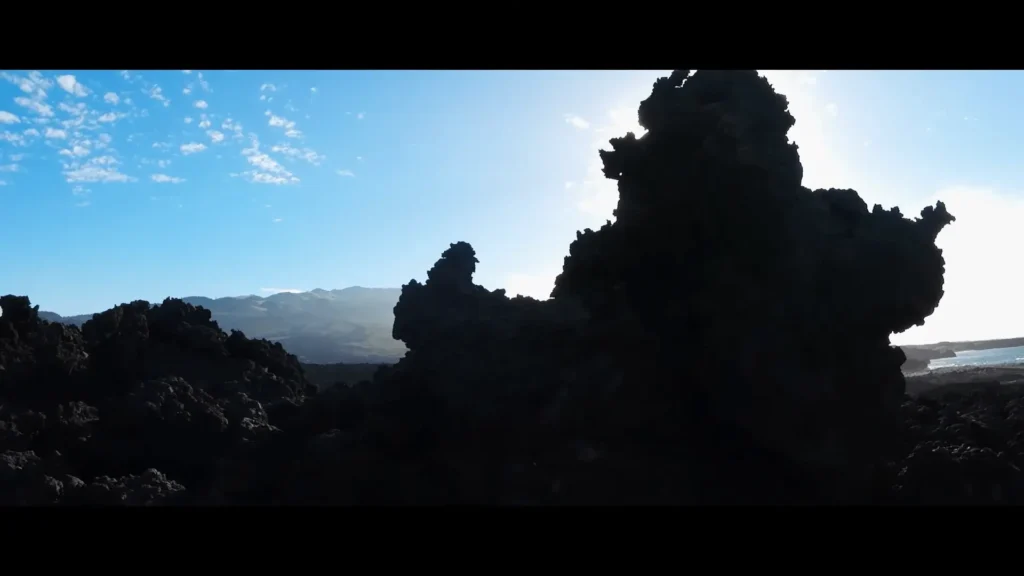
Here we explain a fantastic spot called the Hoapili Trail. Starting at La Perouse Bay, you’ll find parking at McKenna Stables at the end of the road. Follow the King’s Highway for a small section from here to understand the direction. Our path goes through a forested section with multiple trails available, but we’ll hug the coastline to see the newest lava flow meeting the ocean, showcasing gnarly black cliffs and unique landscapes.
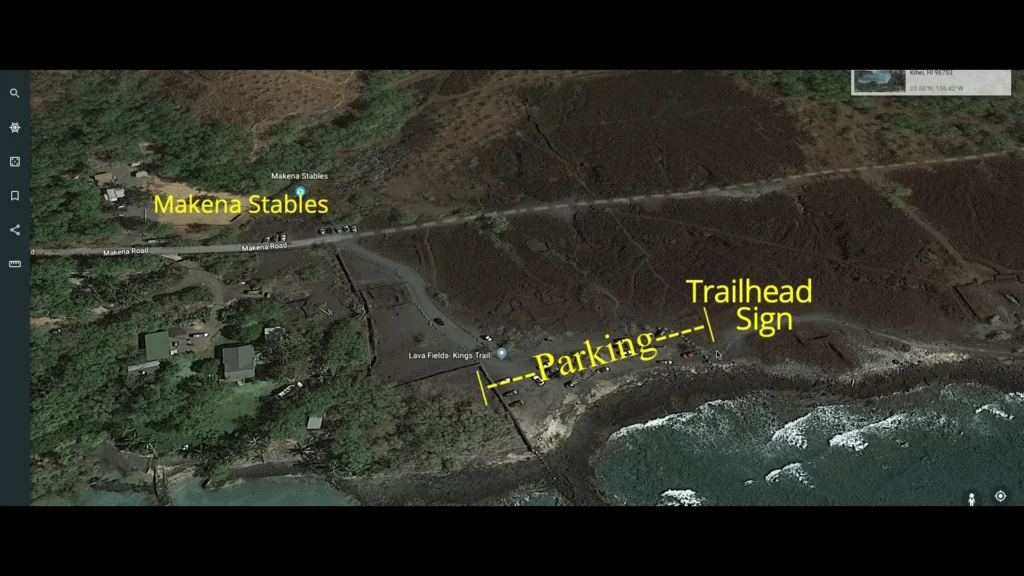
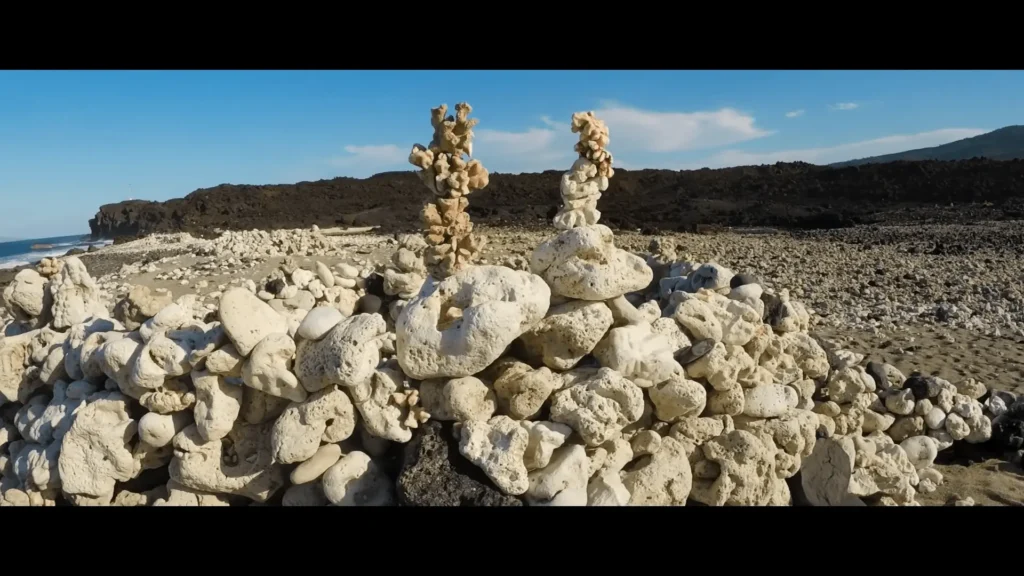
Our journey takes us to Hanamanioa, known as the lighthouse or light beacon. Along the way, we’ll pass by rock piles and enjoy a relatively easy hike back on the main trail. Ensure you have sturdy shoes, as the rocks are sharp, and remember there’s no shade outside the forested sections, so start early.
Hoapili Trail Midway Highlights
About half a mile in, you’ll encounter a sandy, tree-covered section, perfect for camping. Locals often camp here, and here’s you might spot some goats. As you leave the green area, you enter an open lava field, which offers a challenging but rewarding experience. There are two ways to tackle the hike: the main trail along the King’s Highway or a more rugged, cliff-hugging path. Both offer stunning views, with the cliff route providing a more challenging adventure.
Cliffside Adventures
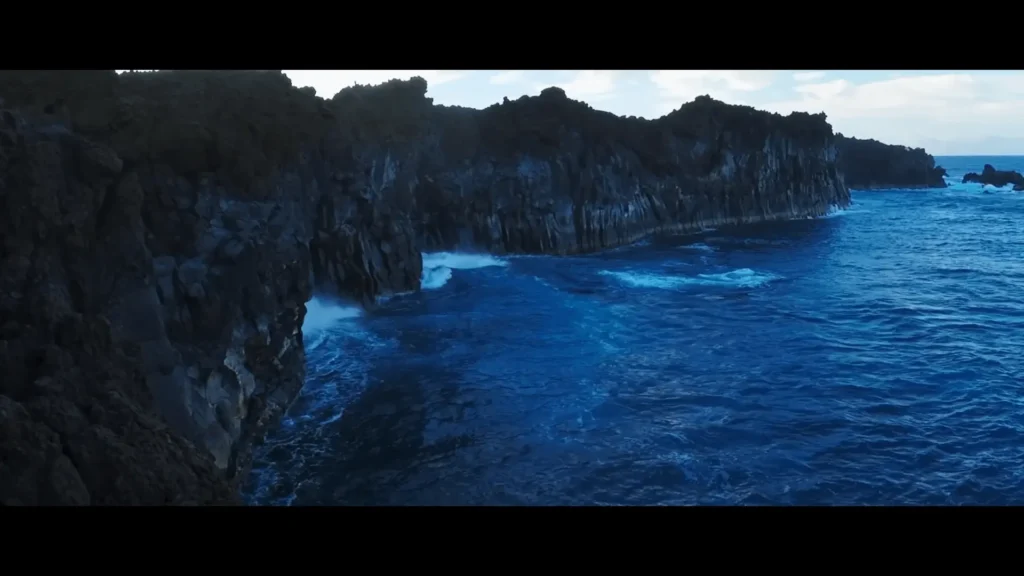
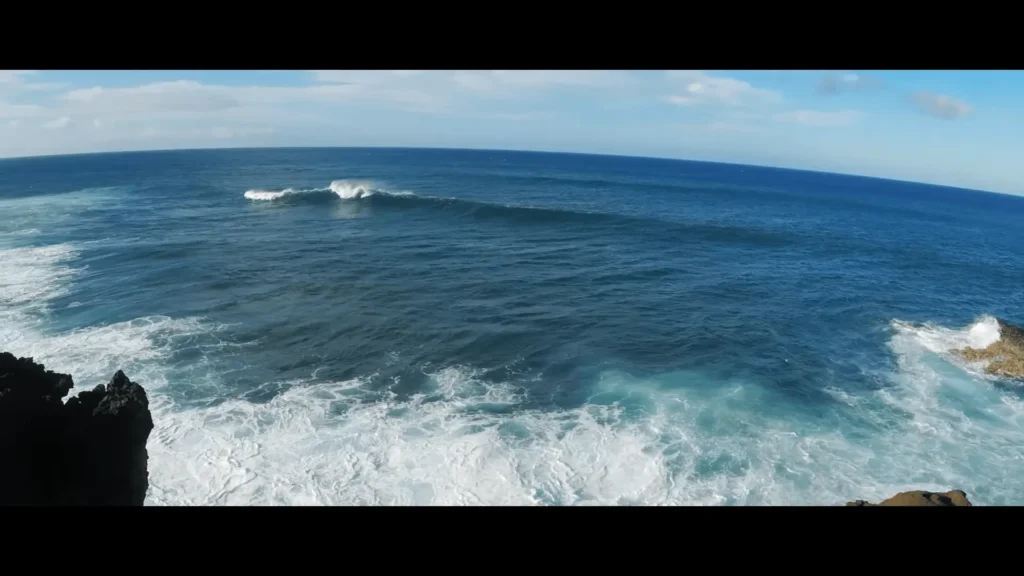
As you reach the cliffs, the water crashing below is a sight. This area is also a great fishing spot. Though tiger sharks inhabit this bay, the views are worth the trek.
Reaching the Beacon
Upon reaching the beacon, you can turn towards the beach. The hike back is easier on the main trail, offering incredible views of the lava flow from Haleakala. The Hoapili Trail is a must-visit, offering diverse scenery from lava flows to lush green pockets and stunning beaches.
Kings Highway
The King’s Highway, an ancient Hawaiian trail, loops around the island and is rich in history. This ancient path, constructed during the reign of King Piʻilani, connected various parts of the island and was used for communication and trade. Today, hikers can still walk this historic trail, reflecting on the footsteps of ancient Hawaiians.
Best Time to Visit La Perouse Bay
Planning a trip to Maui timing can make a significant difference in your experience. Here’s a guide to help you choose the best time to explore this hidden gem. Maui’s weather can be unpredictable, so it’s essential to be prepared. While the dry season is generally preferable, each season offers unique experiences. Early morning is the ideal time to visit La Perouse Bay, regardless of the season. Advantages of morning visits are
- Cooler Temperatures: Beat the heat by starting your hike early.
- Less Crowded: Enjoy a peaceful experience with fewer visitors around.
- Better Lighting: The soft morning light is perfect for photography, highlighting the bay’s natural beauty.
Optimal Season ( April to October)
The best time to visit La Perouse Bay is during the dry season, which runs from April to October. During these months, the weather is more predictable, with sunny days and minimal rainfall. Followings are the benefits of visiting during the dry season
- Clear Skies: Enjoy uninterrupted views of the stunning coastline and lava fields.
- Comfortable Hiking: Dry conditions make the trails safer and more comfortable to navigate.
- Better Wildlife Viewing: Marine life, such as dolphins and whales, is often more active and visible during these months.
Winter (November to March)
- Milder Temperatures: Cooler weather makes hiking more comfortable, but be prepared for occasional rain.
- Whale Watching: Humpback whales migrate to Maui’s waters, offering spectacular viewing opportunities.
Summer (June to August)
- Longer Days: Extended daylight hours give you more time to explore.
- Vibrant Marine Life: Snorkeling and diving conditions are excellent, with clear waters and abundant sea life.
Don’t Forget These! Packing Hacks for La Perouse Bay
- Sunscreen: Protect your skin from the intense Hawaiian sun.
- Water: Stay hydrated, especially if hiking during warmer months.
- Sturdy Footwear: The rugged terrain requires good shoes for safe hiking.
- Windbreaker: The bay can be windy, particularly in exposed areas.
Things to Do in La Perouse Bay
Efforts to Protect the Bay
Preserving the natural beauty and cultural heritage is a top priority for local communities and conservationists. They are very keen to protect it like maintaining trails, protecting sacred sites, and educating visitors about the historical significance of the area.
Various initiatives aim to balance the influx of tourists with the need to protect the bay’s fragile ecosystem and cultural landmarks. Visitors are encouraged to follow guidelines to minimize their impact on the environment and cultural sites.
Conclusion
La Perouse Bay is more than just a scenic destination; it is a place where history and culture converge. From the ancient King’s Highway to the sacred heiau, every corner of the bay tells a story of the rich Hawaiian heritage. As you explore La Perouse Bay, take a moment to reflect on its historical significance and the cultural traditions that continue to shape this extraordinary place.
Choosing the right time to visit La Perouse Bay can enhance your experience, allowing you to fully appreciate its natural and historical wonders. By respecting and preserving La Perouse Bay’s natural and cultural treasures, we ensure that future generations can experience and appreciate the profound history and beauty of this unique Maui gem. You can also visit the Glacier National Park for best hiking experiance.



1 thought on “La Perouse Bay: A Complete Guide to Maui’s Southern Paradise”